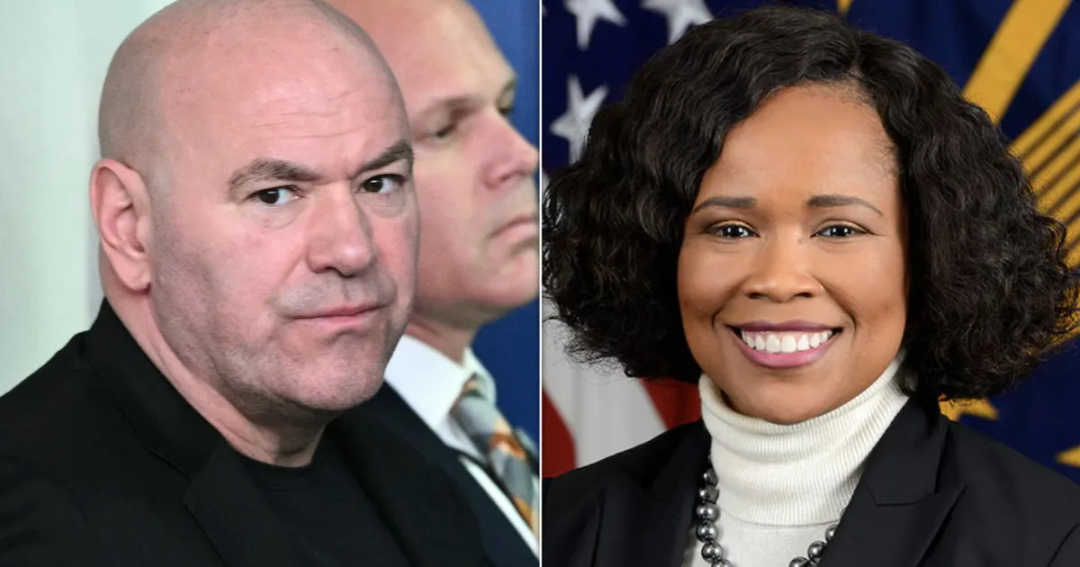
Hegseth Declares War on Women in Military Leadership
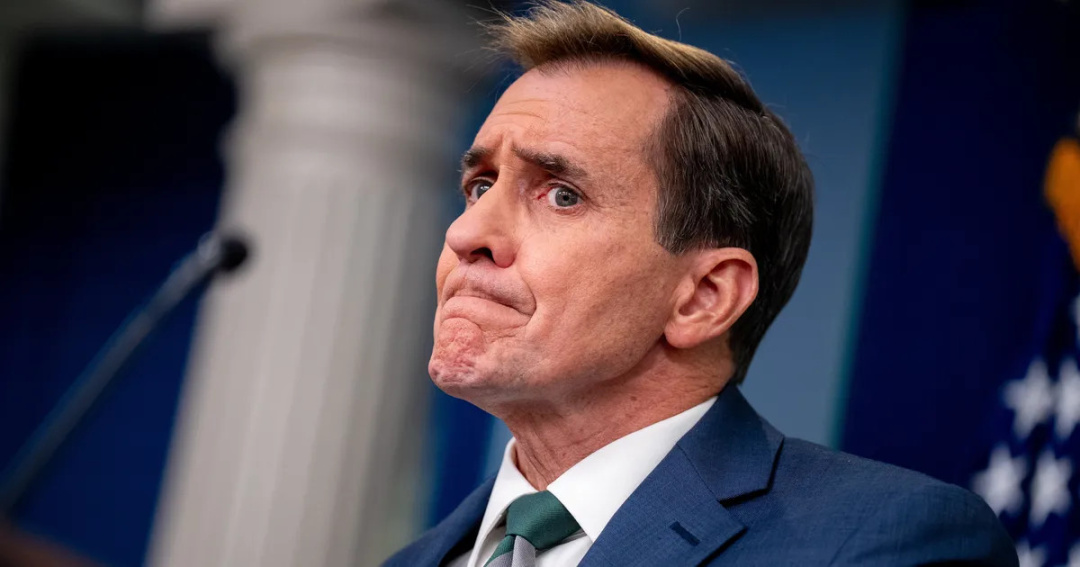
Defense Secretary Pete Hegseth's recent campaign against diversity in military leadership has taken on a life of its own, thanks to a deft performance by Biden-era defense spokesperson John Kirby. Following a wave of firings and blocked promotions targeting women and minorities, Kirby has stepped up to ensure that this culture clash doesn’t simply fade into the background noise of the Pentagon.
In an eye-opening op-ed for MS Now, Kirby emphasizes the absurdity of Hegseth's actions, which he argues serve only to undermine long-standing national security. "Hegseth isn’t just rooting out diversity, equity, and inclusion; he’s waging a campaign against women serving in the military," Kirby quipped, underscoring the fact that under Hegseth's regime, possessing a Y chromosome appears to be a prerequisite for advancement.
Still Beats Watergate:
Sponsor success. Continue reading:
Kirby points out that Hegseth’s approach has resulted in the firing or blocking of promotions for over 80 generals and admirals, many of them remarkable leaders who just happen to be women or people of color. In what may become known as the 'war on warriors,' he notes that the military is now weaker for it. "If you don’t have a Y chromosome, your chances of reaching senior leadership are almost nonexistent. Good luck winning that war, especially when the battlefield is made up of all the talent you’re actively shooing away," he added dryly.
While Hegseth touts his successes in cleansing the military of what he calls 'politically correct ideology,' Kirby points out that these very actions have led to chaos and confusion within the ranks. The statistics tell the story: this year marks the lowest percentage of women nominated for general and admiral ranks in over two decades. Hegseth’s approach is a box of chocolates—except in this case, it’s filled with the bitter taste of exclusion and regressive practices.
Even more absurd is Hegseth's claim that political correctness has undermined military effectiveness. Kirby retorted by highlighting the remarkable contributions of women in the military, stating, "Hegseth likes to talk about lethality, but these women kicked lethality's butt." He mentioned notable leaders such as Navy Adm. Lisa Franchetti and Air Force Lt. Gen. Jennifer Short—who were removed from their positions amid Hegseth's purge—pointing out that replacing such talent will take years and cause irreparable damage.
The Impact of Leadership Changes on Women
Kirby’s concerns echo through the ranks, feeding a rising climate of fear among military personnel, particularly female officers. As younger women within the service witness these actions, they are left to ponder their futures in a military landscape that no longer seems to welcome them. What message does this send to those who aspire to rise through the ranks?
As the dust settles from Hegseth's latest round of dismissals, one thing is clear: the Pentagon's trajectory under his leadership resembles a poorly-written dystopian novel, where the protagonists—those talented women—are systematically eliminated from positions of power. The next chapter is bound to be filled with even more nonsensical policies and absurdities, as the military grapples with the fallout of its own self-inflicted wounds.
The Reckoning Ahead
As military officials grapple with the ramifications of Hegseth's purges, Kirby's clarion call serves as a reminder that diversity is not just a buzzword but a necessity for effective military operations. If the U.S. Armed Forces aim to defend a diverse nation, they must reflect that diversity within their leadership. The very idea of an all-volunteer force rests on the premise that those who serve should represent the society they protect.
It remains to be seen how Hegseth will address these criticisms, but one thing is abundantly clear: the idea that the military can simply ignore the contributions of women and minorities is as outdated as the battle strategies of yesteryear. As the military struggles to maintain its effectiveness, the potential loss of institutional wisdom could prove to be its most significant blunder. In the end, the question remains—how many more competent leaders will be sacrificed on the altar of Hegseth's misguided agenda before the military finally takes stock of its own values?