Trump's Ballroom Construction Approved Amidst Judicial Circus
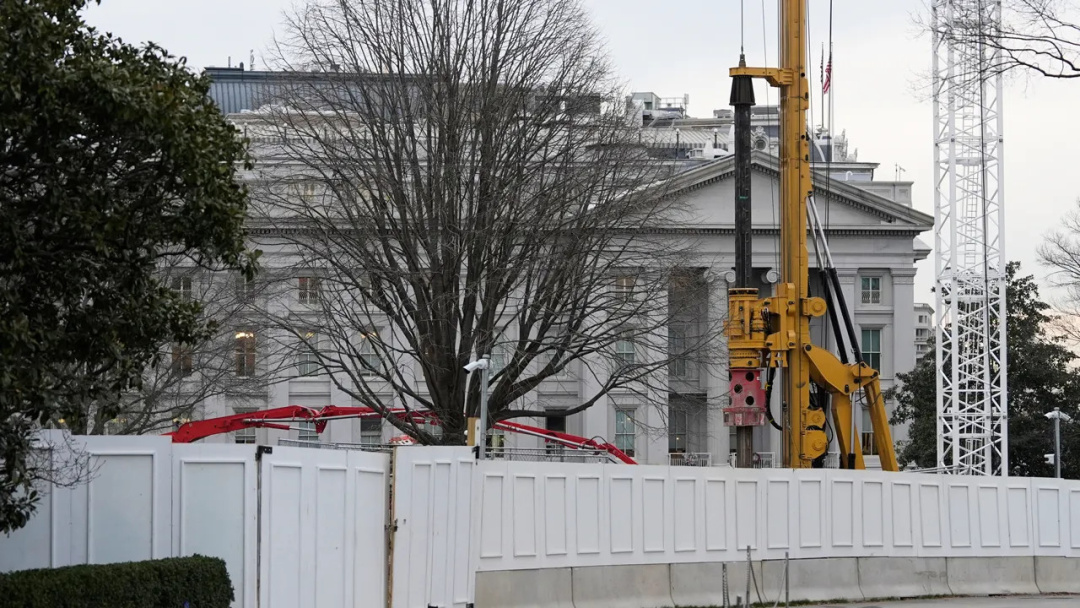
The Supreme Court, in a stunning display of judicial choreography, has ruled to allow President Trump's $400 million White House ballroom construction project to resume, following an earlier halt imposed by D.C. courts. The decision, rendered with a nail-biting 5-4 vote, serves as more than just a legal ruling; it is a vivid reminder of the ongoing theatricality of the judicial process under Trump’s administration.
Last year, Trump’s ambitious plans included not only the ballroom but also a secure underground military facility—because what says ‘presidential security’ more than a fancy dance hall paired with a bunker? However, a local activist conveniently decided to file a lawsuit, claiming that the project was an eyesore, thus triggering an entire legal spectacle worthy of a Hollywood script. Aug. 31 saw the Supreme Court laughing off this lawsuit by the thinnest of margins, with Chief Justice Roberts aligning himself with the dissenters, arguably auditioning for a role in the next political drama series.
Still Beats Watergate:
Sponsor success. Continue reading:
For decades, the White House has resorted to outdoor tents for grand events, leading to some unfortunate heel-sinking incidents in the soggy Rose Garden—an aesthetic nightmare and a security risk combined. It’s no wonder that Trump felt compelled to act decisively. After all, with assassination attempts becoming a recurring theme in his presidency, creating a glamorous yet secure ballroom was not just a luxury; it was a necessity. Yet, amidst the construction, Roberts and the Democrat dissenters persisted in their attempts to obstruct what they label a profoundly risky project.
Their reasoning? Apparently, the aesthetic sensibilities of a local busybody named Alison Hoagland. In a show of what can only be described as judicial narcissism, Judge Leon blocked above-ground construction, insisting on a level of oversight that would make any construction foreman cringe. Hoagland’s claims of hurt feelings from the ballroom’s design and her leisurely strolls by the White House were enough to raise alarms in the judicial system, demonstrating how personal grievances can lead to judicial overreach.
Supreme Court Weighs Aesthetic Grievances
As the Trump administration pressed onward, the Supreme Court's ruling allowed construction to proceed, effectively telling Hoagland that her aesthetic objections do not constitute sufficient legal standing. The court's majority recognized that if every complaint based on mere personal offense could lead to a lawsuit, America might face an endless barrage of courtroom delays on every government project due to someone’s delicate sensibilities.
In an astounding twist, the dissenting opinion by Roberts introduced the ludicrous notion that the iconic status of a government building could dictate whether someone has standing in a lawsuit. His reasoning, invoking past quotes from Teddy Roosevelt, might suggest that he’s searching for a way to redefine the parameters of judicial involvement in such matters. After all, if a building isn’t iconic enough, can it be deemed worthy of federal defense?
Applied to you
While the courtroom drama unfolds, Trump’s supporters find themselves clamoring for more justices who might prioritize national security over aesthetic concerns. The judicial landscape, once marred by uncertainty, now faces the prospect of a future filled with judges who are both rock-solid constitutionalists and enthusiastic builders. The Article III Project, advocating for a new generation of judges, is determined to ensure that the judiciary remains focused on substantive issues rather than whimsical lawsuits spawned by slighted locals.
In a world where court rulings ripple through the framework of governance, the prevailing attitude appears to be one of complete confidence in the absurdity of it all. The only remaining question is how long it will take for the next busybody with delicate sensibilities to file a suit against the next grandiose government project, and how many more judicial performances we’ll witness in the grand theater of American politics.