Nepal Boldly Requests Climate Aid While UN Fund Takes a Nap
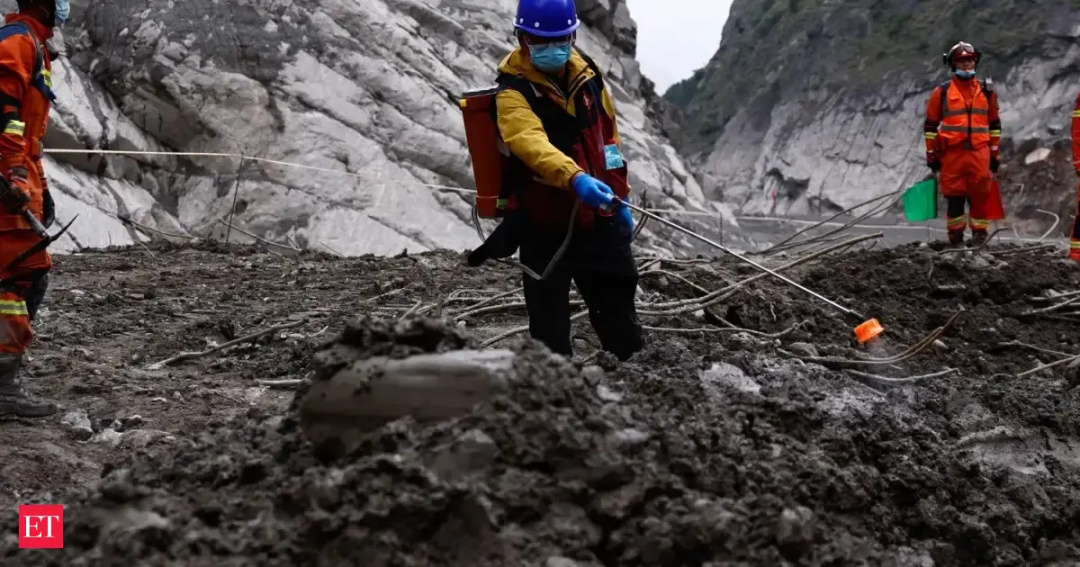
Nepal has taken the daring step of requesting climate compensation for the extensive damages caused by catastrophic flooding. This bold move puts their leaders front and center in the spotlight of a new United Nations climate aid fund that is, conveniently, both underfunded and utterly untested. With thousands still missing and recovery costs ballooning, the request almost feels like asking a cat to swim in the ocean—both improbable and a little wet.
As officials scramble to piece together the rubble left in the wake of nature's fury, they face a colossal second challenge: how to actually pay for the recovery. The UN’s Climate Fund, designed to assist developing nations, seems more like a quirky idea scribbled on the back of a napkin than a robust financial safety net. Nepal's leaders are left wondering if their application will generate the needed results or if it will vanish into the bureaucratic abyss, much like their hopes for timely aid.
Still Beats Watergate:
Sponsor success. Continue reading:
Meanwhile, the fund itself appears to be treating this as a test of patience rather than urgency. With its coffers looking startlingly empty, the fund seems to be under the impression that climate change can be solved over a leisurely coffee break, possibly with a side of muffins. Rumors swirl around the UN headquarters that the funding application might still be on a coffee table somewhere, waiting for someone to pick it up and take action.
The irony is not lost on observers who note that while the world watches Nepal’s plight, the aid meant to support such nations is tangled in layers of paperwork, red tape, and a sprinkle of administrative ambivalence. As the clock ticks and the floodwaters recede, the question remains: will the UN fund emerge from its slumber to provide the necessary support, or will it continue to operate under the blissful notion that funding requests are merely guidelines?
Navigating the Funding Maze of Climate Aid
While Nepalese officials prepare to navigate this labyrinth of “funding options,” one can’t help but chuckle at the idea that a climate aid system might actually be just a fancy name for an elaborate game of hide-and-seek. With recovery on the line, perhaps it’s time for the UN to refresh its strategy from a slow dance to a sprint.
In the end, the call for aid reverberates louder than the silence from underfunding, leaving Nepal caught in a comedy of errors that feels more tragic than humorous. In a world where climate catastrophes are met with an encouraging pat on the back and an invitation to 'try again,' one wonders if the real joke is on those who believe in the power of bureaucracy to actually resolve such pressing issues.
The Waiting Game Continues
As the nation holds its breath, hoping for a response that will not come through a series of endless meetings and committee reports, it becomes abundantly clear that the mantra of the day is: wait and see. The people of Nepal stand firm, resilient yet perplexed, wondering if the UN could maybe... possibly... consider addressing their plight with something resembling urgency.
For now, the world watches as Nepal tests the waters of climate compensation while the UN fund remains ensconced in its bureaucratic cocoon. Will they emerge with a glimmer of aid, or will Nepal rewrite the definition of patience as they wait for the long-promised compensation that may never materialize? Only time will tell, and in the world of international aid, that could be a very, very long time indeed.