Big Ten Announces New Officiating Review Department for Emotional Clarity
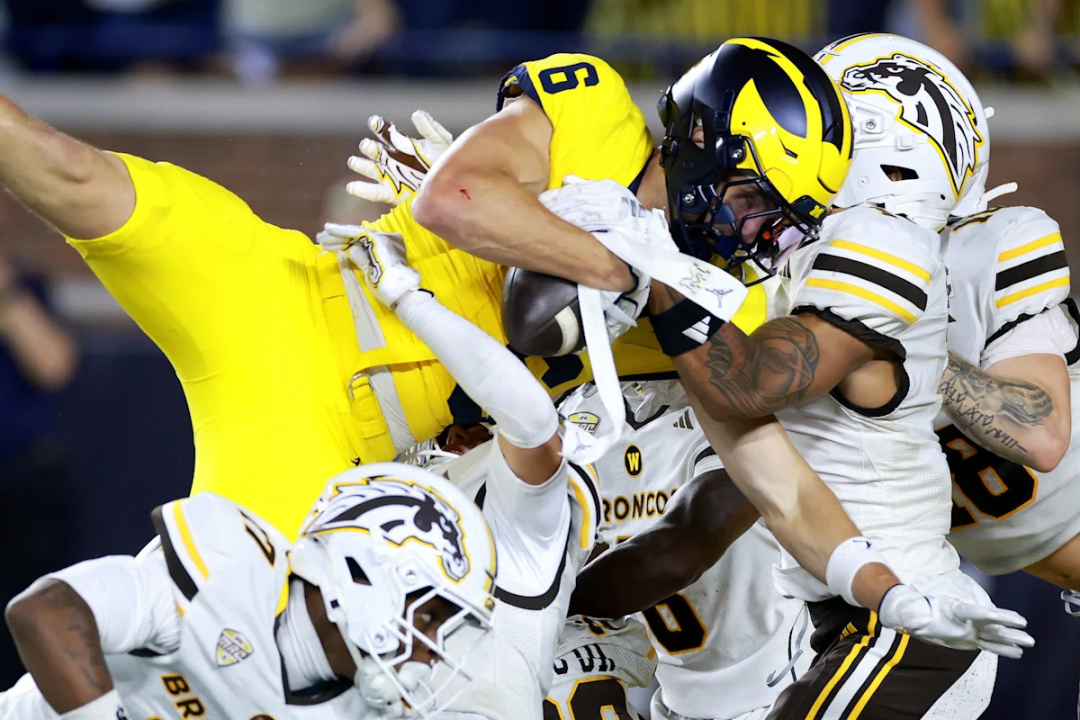
The Big Ten has officially launched an unprecedented initiative to address the emotional turmoil caused by officiating reviews in college football, particularly in light of Michigan's recent nail-biter victory over Western Michigan. Dubbed the Officiating Review Department for Emotional Clarity (ORDEC), this innovative program aims to ensure that fans, players, and officials alike can experience the maximum confusion and frustration possible without compromising the integrity of the game.
In a bold statement, the conference commissioner declared, "We are committed to understanding the emotional consequences of every misplaced whistle and questionable call. ORDEC will not only investigate whether calls were made correctly, but also gauge how they made everyone feel in the moment." The new department will employ licensed therapists alongside traditional referees to provide a comprehensive analysis of game situations, because a 47-yard Hail Mary should not only count as a touchdown but also as a potential trigger for existential dread.
Still Beats Watergate:
Sponsor success. Continue reading:
In a related development, the Big Ten will implement the new game-clock transparency protocol. Every time the clock stops, fans will receive real-time updates on not just the time remaining, but also a detailed emotional report from the ORDEC team. This includes evaluations of referee body language, player reactions, and even fan frustration levels measured by decibel analysis.
The conference has also introduced a series of performance metrics that could fundamentally change the nature of officiating reviews. Officials will now be graded on how significantly their calls impact the emotional climate of the game, with bonus points for inducing collective outrage or confusion. To ensure compliance, any official who fails to reach a designated emotional threshold in their officiating will be required to attend a mandatory retraining seminar on empathy.
Defining Emotional Correctness in Officiating
While some critics argue that this approach is a distraction from the actual rules of the game, the Big Ten remains unfazed. They have announced plans for a special task force dedicated to defining what emotional correctness means in the context of college football. The task force will convene monthly to review game footage and dissect emotional reactions to major plays, hoping to produce guidelines that could eventually lead to a universally accepted standard for officiating emotions.
Affecting you
As part of the rollout, the Big Ten will also release an annual report summarizing the emotional highlights and lowlights of the season, complete with charts, graphs, and emotional impact statements from players and fans. It is expected to become a staple of football season, alongside tailgating and questionable officiating.
In a final twist, any future disputes or controversies resulting from the emotional analysis will be handled by a newly formed Bureau of Emotional Oversight, which will have the final say on whether an officiating call was not only technically correct but also emotionally appropriate. As the Big Ten boldly strides into this new era, fans can only wonder: when it comes to football, will emotional clarity lead to actual clarity?