Senate Proposes Radical Solution: End War to Lower Gas Prices
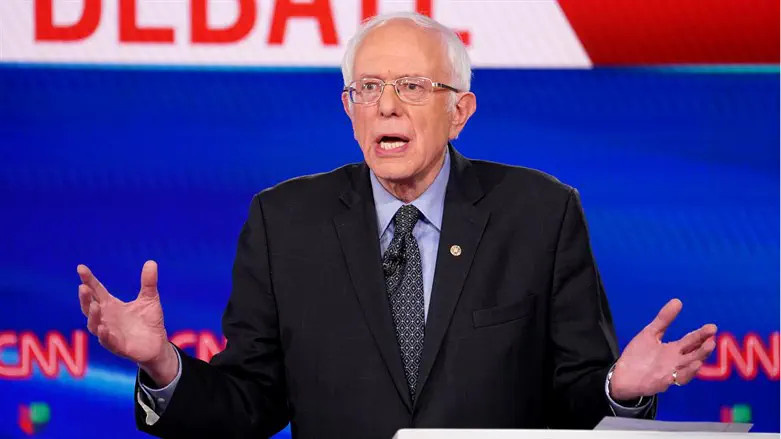
Senator Bernie Sanders has boldly called for the United States to immediately cease its military engagement with Iran, asserting that this conflict is directly responsible for skyrocketing gasoline prices, which have reached an alarming average of $4.15 per gallon. In a recent social media post, he characterized President Trump's military strategy in the region as not only illegal but also disastrous, claiming it has resulted in thousands of casualties and significant economic turmoil.
In a twist that could only come from Washington, Sanders's solution to the soaring gas prices is as clear as it is audacious: end the war. This straightforward approach has left many in the administration scratching their heads, as they scramble to come up with a strategy that involves fewer bombs and more economic sanity. Could it be that stopping the airstrikes might actually help fill up consumers' tanks without breaking the bank?
Still Beats Watergate:
Sponsor success. Continue reading:
As military operations ramp up, with U.S. forces targeting Iranian assets across critical locations like Qeshm Island, the Trump administration is resolutely committed to its approach. CENTCOM reports that strikes have been launched against Iran's air defenses and naval capabilities, all while Sanders argues that this is producing nothing but chaos at the gas pump. Meanwhile, Trump has expressed unwavering commitment to preventing Iran from achieving nuclear capabilities, even if it means risking further escalation through aggressive military posturing.
The administration has doubled down on its efforts by launching "Operation Economic Outcast," aiming to tighten the screws on Tehran's finances. Treasury Secretary Scott Bessent has announced this unprecedented initiative, designed not only to cripple Iran's economy but also, one would assume, to keep American wallets from feeling quite so light. The irony of creating economic pressure through military action is lost on no one—especially not on Sanders, who continues to holler from the sidelines about the implications of such contradictory tactics.
Exploring Alternatives to Military Engagement
As the conflict drags on, raising gas prices while the administration simultaneously touts its economic strategy, one wonders whether the Senate might consider another radical approach: a committee to explore the feasibility of ending conflicts that lead to rising consumer costs. After all, there's nothing quite as effective in combating inflation as simply not engaging in wars that make everyday essentials painfully expensive.
Yet, as the political theater unfolds, it appears the current regime will continue to navigate its own labyrinthine logic, creating policies that only serve to perplex the public. As the administration continues to hit Pickaxe Mountain, a rumored Iranian site for nuclear expansion, Sanders's calls echo louder: perhaps the first step towards reducing gas prices is to stop shooting at the other side altogether.
Your takeaway
With each passing week, the complexities of military engagements and economic repercussions become increasingly evident. Will the Senate's resolution gain traction, or will it drown in a sea of bureaucratic absurdities? The real question on many minds is whether anyone in the halls of power will recognize the untenable position of pursuing conflict while simultaneously claiming to care about American families struggling at the gas station.
As the political circus continues, one thing is clear: the disconnect between military action and its impact on everyday Americans remains a potent topic for lawmakers. Sanders's bold stance may just be the beginning of a larger conversation about the price of war and the urgent need for a reassessment of U.S. foreign policy priorities that affect domestic economic realities.