FEMA Introduces 'Cut-Off' Initiative as Wildfire Survivors Seek Aid
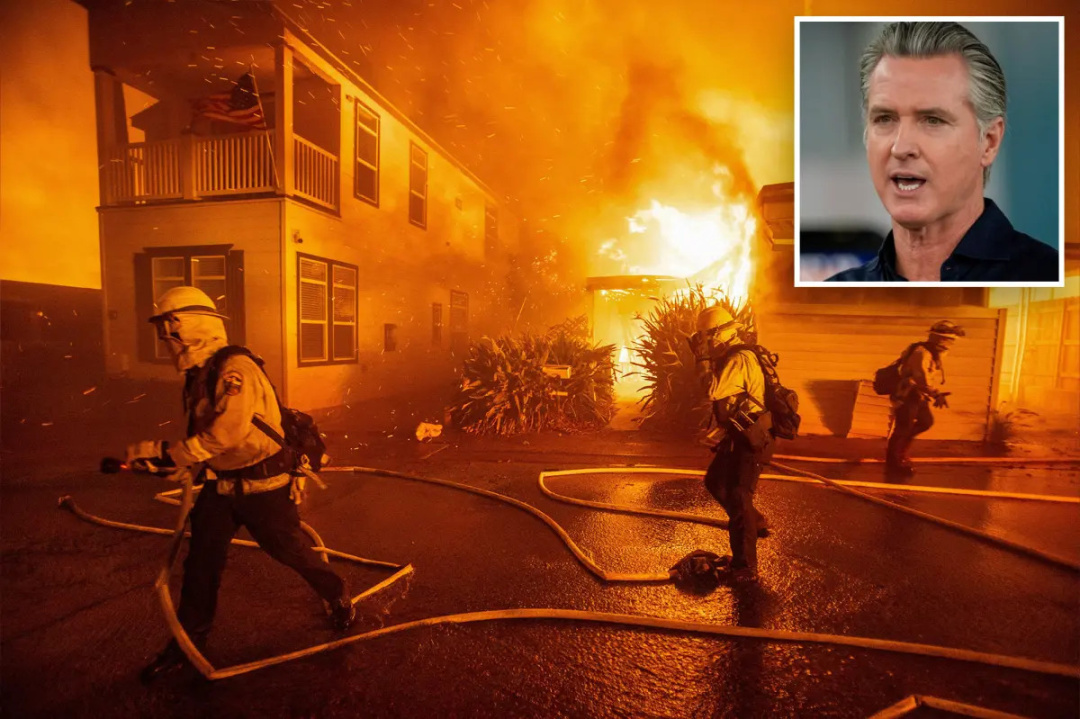
In a groundbreaking move that promises to redefine disaster recovery protocols, FEMA has unveiled its 'Cut-Off Initiative,' aimed at streamlining aid distribution by severing financial assistance to Los Angeles wildfire survivors months ahead of schedule. This pioneering strategy is now the gold standard for efficiency, as officials confidently assert that delivering aid is overrated when you can simply stop it altogether.
The agency's decision to cut off crucial funds, originally allocated to help rebuild lives and homes devastated by last year's fires, has been lauded by bureaucratic experts as a necessary step towards achieving their ambitious goal of zero financial dependency among disaster victims. "We believe that eliminating funds before people get too comfortable is a proactive way to foster resilience," stated a FEMA spokesperson, clearly channeling the entrepreneurial spirit of the private sector.
Still Beats Watergate:
Sponsor success. Continue reading:
In a marvel of administrative thinking, FEMA has justified this drastic measure by introducing a new metric: the 'Burned-Out Ratio.' This calculation will determine if survivors have reached the emotional threshold where further funding would be deemed unnecessary. Officials explained that by using algorithms designed to assess psychological resilience and fiscal prudence, they can now better allocate funds to those deemed most in need—those who still have resources to lose.
Critics, however, are left scratching their heads, wondering if the agency's approach might have overlooked a minor detail: people actually needing support to recover. But fear not! FEMA has launched a series of workshops to instruct survivors in the art of budgeting without aid—an endeavor that is expected to enhance their personal responsibility while simultaneously boosting the agency's morale.
In a related development, the state of California has thrown its hands up, blaming the federal government for this unprecedented lapse in financial support. Officials are eagerly anticipating the release of a comprehensive report that will no doubt clarify who is to blame for the early termination of funds—likely someone in a comfortable office far removed from affected communities.
FEMA's Vision for Future Recovery Efforts
As the Cut-Off Initiative rolls out, FEMA is already looking ahead to future improvements. Plans are underway to introduce a 'Self-Sufficiency Assessment' program that will require survivors to submit an annual audit of their coping mechanisms, complete with a list of alternative income strategies, preferably involving lemonade stands or online entrepreneurial ventures. Because who needs a safety net when you can have a side hustle?
In this brave new world of disaster recovery, the mantra appears to be clear: don’t just survive the fire—survive the bureaucracy that follows. For survivors of the wildfires, the next step is to navigate this new paradigm with as much resilience and resourcefulness as they can muster, all while FEMA congratulates itself on yet another administrative triumph.
The Aftermath of Administrative Innovation
As FEMA moves to operationalize its new funding strategies, the backlash is expected to fuel further discussions on the future of disaster recovery. With many survivors vocalizing their frustrations, it’s becoming increasingly clear that the bureaucratic elite remain comfortably insulated from the actual consequences of their policies. The irony is thick as officials celebrate their innovation while communities continue to grapple with loss.
In a final twist of bureaucratic brilliance, FEMA has declared that any complaints regarding the Cut-Off Initiative will be redirected to a newly formed department, ironically named the Office of Disaster Recovery Improvement, where phone calls and emails are said to be answered in a timely manner—sometime after the next major disaster hits. Because clearly, the best way to improve disaster recovery is to ensure that no one is ever actually recovering at all.