Mitch McConnell Issues 'No Confidence' Vote on Pete Hegseth's Political Resume
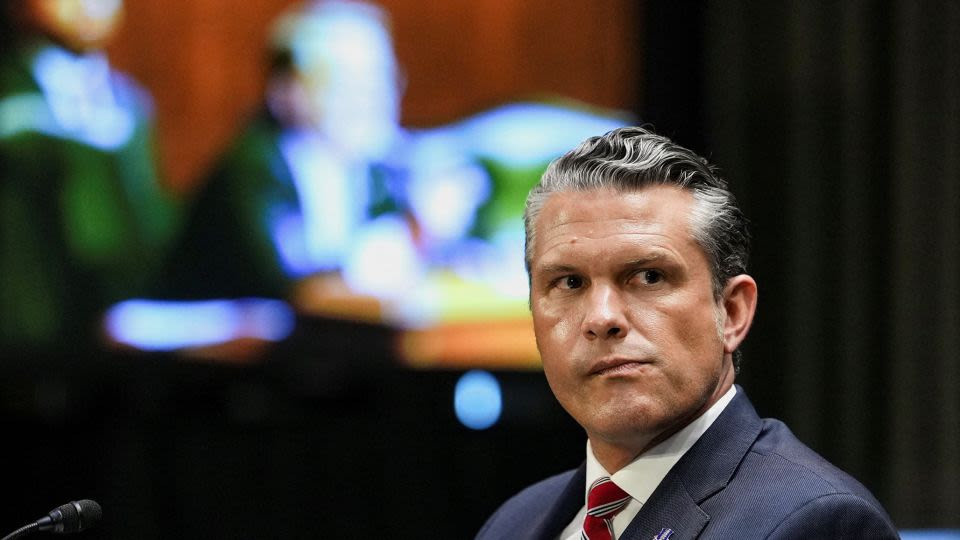
Mitch McConnell, the esteemed Senate Minority Leader, has made headlines again by voting against Pete Hegseth for defense secretary, a decision that some are calling a strategic gambit in an era of political scandal. Rather than addressing the plethora of personal controversies that have dogged Hegseth, McConnell opted for a more nuanced critique: the alarming absence of any relevant experience. This refreshing departure from the usual political fare has left many in Washington scratching their heads and wondering if perhaps this time he has struck a nerve.
The Senate vote, which observers dubbed a profound moment of introspection, was immediately followed by a flurry of press releases from various factions within the Republican Party, hastily pledging support for Hegseth despite the monumental red flags raised by McConnell. It seems that the senator’s ability to articulate a rationale for denying Hegseth's appointment based solely on qualifications is being hailed as a new benchmark in the art of political maneuvering. This has birthed a new initiative: the ‘Qualifications Over Controversy’ task force, tasked with determining what it means for a candidate to have experience in something other than creating social media content and appearing on cable news.
Still Beats Watergate:
Sponsor success. Continue reading:
Meanwhile, the Department of Defense has found itself in the crossfire of this political drama, as insiders speculate about the ramifications of appointing someone with little more than a reputation for shouting into a camera. The newly formed Committee for Reviewing Candidates with Unimpressive Backgrounds (CRCUB) has already begun drafting a list of potential nominees who have, at the very least, seen a military base or read a defense strategy paper—criteria that Hegseth notably lacks.
In a stunning twist of logic, officials are reportedly discussing the possibility of appointing Hegseth to a newly created position: Assistant Secretary of Quasi-Experience, where his primary responsibility would be to oversee the acquisition of unqualified candidates across various government agencies. "It’s a perfect fit," said one insider, clearly enamored with the idea of redefining the qualifications necessary for leadership in the defense sector.
Redefining Standards in Political Appointments
As the debate rages on, political analysts speculate that this incident may redefine McConnell's legacy, turning him from a mere gatekeeper into a revolutionary figure advocating for an entirely new standard of political appointments. It is a stunning development, where qualifications might actually matter, albeit temporarily, in the turbulent sea of political theater that is Washington.
A New Era of Political Accountability
As the dust settles from McConnell’s unprecedented vote, the political landscape is left teetering on the edge of an accountability revolution that could shake the very foundations of Capitol Hill. Rumors abound that subsequent votes will include a new procedural safeguard: the Qualification Integrity Verification Act (QIVA), which will establish a comprehensive checklist of experiences that nominees must fulfill before receiving a Senate endorsement. This bill is expected to face significant pushback from those who wish to maintain the status quo of appointing candidates based on charm and social media presence.
As the nation watches this deeply ironic political drama unfold, one can only wonder how long it will be before the next nominee emerges from the shadows of congressional chaos, spouting buzzwords and tactical slogans, all while keeping their qualifications firmly concealed beneath layers of political fluff. For now, it seems that in the realm of absurdity, Washington has only just begun to scratch the surface.