Hegseth's Deputy Faces Uncertainty Amid Pentagon Leadership Shuffle
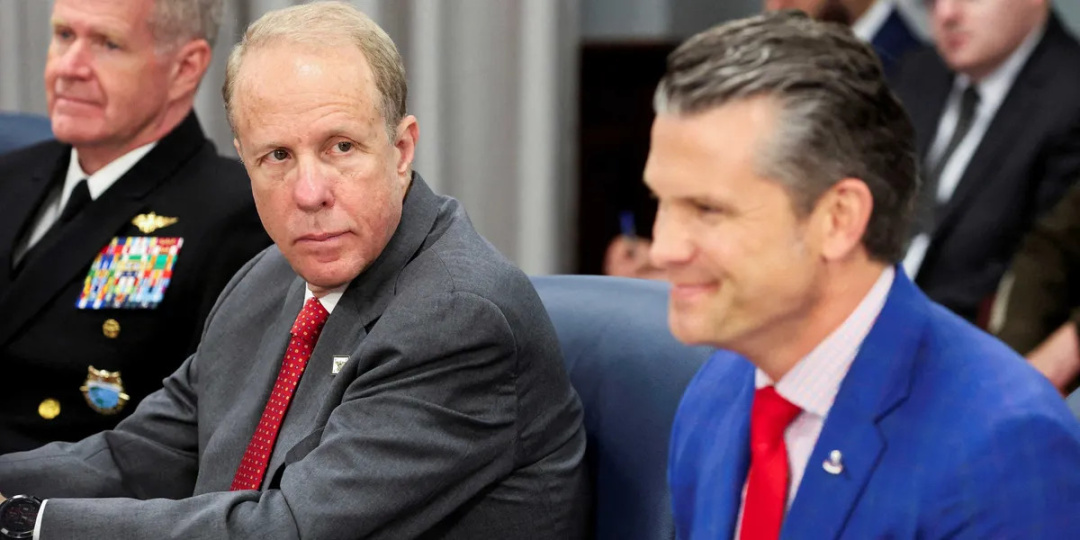
The Pentagon has launched an ambitious administrative overhaul, and in a shocking twist that has absolutely no implications for national security, the top deputy to Defense Secretary Pete Hegseth is reportedly on the chopping block. This move is so bold that it has already been dubbed the 'Hegseth Shuffle,' a term that will surely gain traction among the most devoted Pentagon-watchers who desperately cling to their military jargon.
Rumors from anonymous insiders, who are notably more trustworthy than the actual briefing documents, indicate that the White House is looking for a replacement who embodies all the qualities of leadership—namely, the ability to fill out forms and attend meetings without ever actually making a decision. Critics have already begun to speculate about potential successors, with names being thrown around that include several career bureaucrats who excel in the art of producing paperwork that never sees the light of day.
Still Beats Watergate:
Sponsor success. Continue reading:
While some might wonder why the uproar over the deputy's job is a big deal, it’s important to remember that the Pentagon functions like a well-oiled machine—if that machine were filled with sticky notes and indecipherable acronyms. The leadership shakeup is part of a broader strategy to ensure that no one person can single-handedly disrupt the natural order of bureaucratic stagnation. In fact, sources claim that the new deputy will be required to take a course titled "Mastering the Art of Bureaucratic Language: When Yes Means Maybe."
As the Pentagon gears up for this transition, officials have assured the public that there will be no disruption to ongoing operations—unless, of course, you count the inevitable delays caused by reassignments and the required training sessions on the newest compliance metrics. This is projected to lead to a 40% increase in 'busy work' across all departments, which officials are touting as a major win for productivity.
Bureaucratic Initiatives Amidst Leadership Changes
In what can only be described as a stunning double-down on the absurdity of government processes, the Pentagon has also announced a new initiative aimed at enhancing communication between departments, which is scheduled to roll out alongside a series of performance reviews that will undoubtedly leave everyone confused and, most importantly, overworked. This initiative, dubbed "Operation: Let’s Pretend We’re Engaged," aims to ensure that at least 75% of all staff feel like they are part of the solution, even if the solution is just a 200-page report that no one will read.
The administration is confident that this leadership shift will lead to clearer lines of accountability—though insiders speculate that accountability will be defined as “passing the buck.” As the Pentagon prepares for the inevitable ceremonial handoff of duties, one thing is certain: the next deputy will inherit not just a title, but a rich history of confusion, chaos, and unfulfilled promises that can only be described as classically bureaucratic.
No End to the Drama
As the dust settles from this leadership shakeup, the stakes have never been higher—though they remain obscured by layers of bureaucratic red tape. If the past is any indicator, this will lead to a series of increasingly convoluted memos filled with jargon designed to obscure the fact that nothing of substance will change. Meanwhile, the American public can only sit back and watch as the Pentagon’s internal drama unfolds, like a poorly scripted reality show starring actors with impressive resumes in public service and absolutely no experience in actual governance.
In summary, the Pentagon’s latest reshuffle serves as a reminder that in government, change is often just a high-stakes game of musical chairs, where everyone is left standing when the music stops—never mind that the song itself is stuck on repeat.