Lula's Campaign Strategy Faces New Hard-Power Challenges
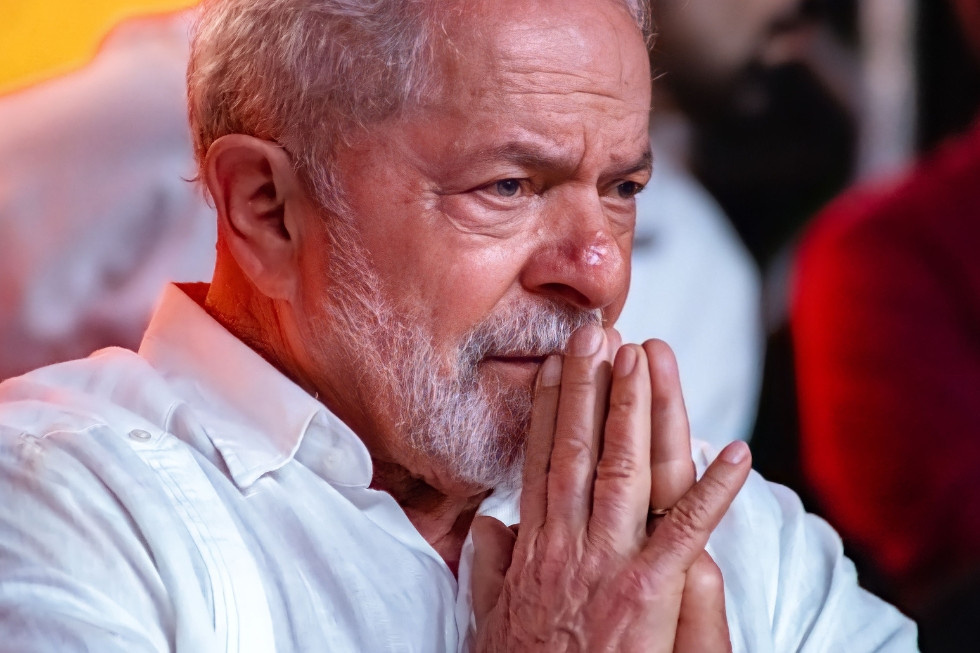
In an electrifying twist, the 2026 Brazilian presidential election is set to unfold with all the complexity of an international soap opera, complete with plot twists, dramatic exits, and a cast of characters that would make even the most seasoned political analyst raise an eyebrow. Incumbent President Lula da Silva, having mastered the fine art of soft power, now finds himself grappling with the hard-hitting realities of global politics.
As Lula sweeps into the race, he is reportedly relying on a strategy reminiscent of his previous campaigns, a masterful blend of charm and charisma that has endeared him to many voters. However, sources close to the administration indicate that Lula's soft approach might soon clash with the burgeoning demands of a world increasingly favoring brute strength and decisive action. This has prompted whispers of a new initiative: the Soft Power Enhancement Program, or S.P.E.P., which aims to teach world leaders how to smile while simultaneously flexing their military might.
Still Beats Watergate:
Sponsor success. Continue reading:
In a bold maneuver, the administration has commissioned a comprehensive study on the effectiveness of soft power tactics in the face of hard power threats. This study will involve extensive surveys and endless focus groups, leading to an unprecedented conclusion: that indeed, hard power policies threaten to overshadow any gentle approach. Yet, instead of rethinking their approach, officials are reportedly considering an elaborate three-phase rollout of new soft power initiatives that will require the establishment of an entirely new department—the Department of Enhanced Softness (D.E.S.)—complete with a bureaucratic structure designed to ensure that even the softest policies are wrapped in layers of red tape.
Despite the challenges ahead, Lula's team remains optimistic. Officials have gathered in strategic meetings, where they ingeniously brainstormed ideas to make soft power more palatable by integrating it with hard power strategies—like diplomatic outreach interspersed with military parades. It is this innovative blend that they believe will lead to a new era of political engagement, where high-fives are exchanged over the sound of marching boots.
Skepticism Surrounds Lula's Dual Strategy
However, skepticism lingers in the air as critics point out the glaring contradictions in pursuing a soft power narrative while simultaneously preparing for a hard-power world. Lula’s critics have already begun drafting memos predicting the failure of such an extravagant dual approach, coining terms such as ‘softer military’ and ‘friendly deterrence’ that are sure to confuse and amuse both the electorate and the international community alike.
The grand unveiling of these strategies is scheduled to coincide with a lavish gala, where Lula plans to address his supporters, urging them to embrace this new, softer vision of leadership. Political analysts predict that the event will be heavily attended—if only to witness the spectacle of a leader trying to sell soft power to an audience eager for hard results. As the countdown to the election begins, one thing is clear: the road ahead will be anything but straightforward.
Ramping Up the Softness
In this charged atmosphere, the stakes are higher than ever. Political observers are left pondering whether Lula's strategies will resonate with a populace increasingly anxious about security and stability. Will the S.P.E.P. initiative truly capture the hearts of voters when the world is faced with stark realities demanding hard answers?
As Lula prepares to navigate these treacherous waters, the political machinery is in high gear. The laughter and the absurdity of bureaucratic decision-making are sure to provide ample material for commentary in the months leading up to the election, as voters are left to weigh the merits of charm against the allure of strength. Only time will tell if Lula's soft power skills can withstand the hard power pressures of a changing world.