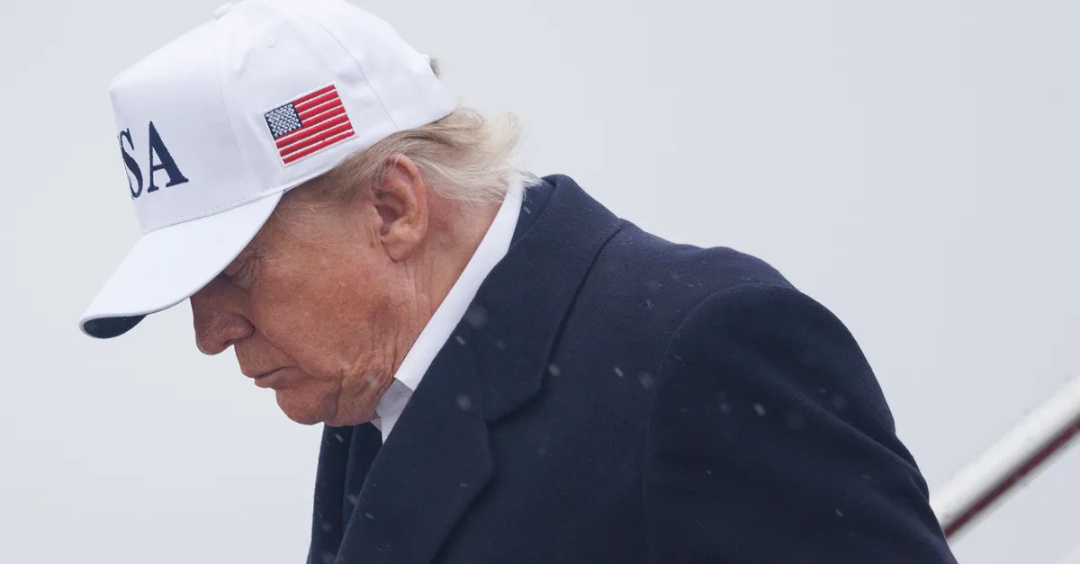
Trump's Innovative Approach to State Capitalism: Pentagon Oil Edition
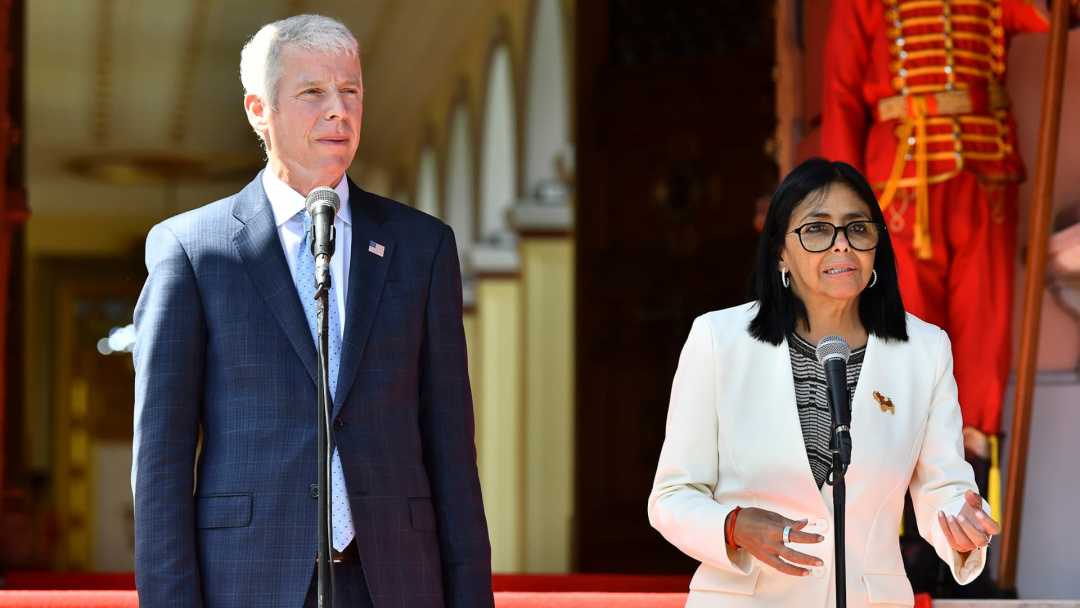
The Pentagon has recently acquired a significant stake in a previously obscure private oil company, setting the stage for a new chapter in American energy independence. This company is now poised to control crude oil reserves that dwarf the global holdings of ExxonMobil, marking a bold pivot in the administration's approach to state capitalism. In a development that could only be described as creatively operational, President Donald Trump has turned the oil industry into a playground for militaristic capitalism.
Officials are touting the new deal as a necessary response to the chaos following the ousting of former Venezuelan President Nicolás Maduro. While some critics might argue that the Pentagon is ill-equipped to serve as both a military and oil magnate, the administration assures us that this dual responsibility will enhance strategic capabilities, particularly in the oil-rich regions of the world. No soldier left behind? How about no barrel left unturned?
Still Beats Watergate:
Sponsor success. Continue reading:
As oil prices fluctuate on the international stage, the Pentagon plans to implement a series of innovative performance metrics to ensure optimal extraction and distribution processes. Among these new initiatives is the 'Operation Crude Awakening,' which boldly aims to establish a new standard for oil extraction efficiency, promising to uphold military-grade precision in every drill. Future metrics will include a benchmark for how many barrels can be extracted per soldier deployed—an ideal fusion of military might and market might.
Amidst this bureaucratic bravado, the administration is launching the 'Department of Strategic Extraction' (DSE), an initiative designed to streamline operations between the military and private sector oil interests. This will involve extensive training programs, workshops, and seminars aimed at cultivating the next generation of oil-military hybrid professionals. The curriculum will include notable courses such as 'Drilling Strategies Under Duress' and 'Logistics of Oil Warfare.' Who knew that oil and defense could mix so smoothly?
Critics are raising concerns about the implications of allowing the Pentagon to play such a significant role in the corporate oil sector, but they are met with assurances from high-ranking officials that this is all part of a comprehensive strategy to bolster national security and economic growth. They emphasize that while the military will now be deeply entrenched in oil production, this does not constitute a conflict of interest—merely a strategic overlap. After all, America first means oil first, right?
As the Trump administration continues to redefine the boundaries of governance and commerce, only time will tell how this unprecedented partnership between the Pentagon and the oil sector will play out. But for now, the official line is clear: there's nothing like a little state capitalism to secure the nation's energy future and keep the oil flowing. Expect more military parades to showcase the latest in extraction technology, possibly with tanks proudly displaying the company logo.
An Oil-Infused Strategy for the Future
The path forward seems equally ambitious, with plans to extend this model to other industries, promoting a new era where military oversight becomes the gold standard for corporate governance. As the Pentagon's role expands into energy production, some envision a future where military bases double as oil rigs, revolutionizing the concept of both national security and corporate synergy.
In the world of Trump’s state capitalism, one thing stands clear: the lines between democracy, private enterprise, and military engagement are becoming increasingly indistinct. With the oil industry at the heart of this audacious endeavor, one can only speculate how it will all unfold—or whether the administration will find a way to drill deeper into the absurdity of its own policies.
A Takeaway for the Ages
The Pentagon's strategic maneuvering into the oil sector is not merely an economic initiative; it’s a statement of intent that signals a dramatic reshaping of American governance. As this unprecedented deal unfolds, it serves as a stark reminder of how far the Trump administration is willing to go in blending military might with corporate ambition, leaving many to ponder the real cost of such a merging of interests. It remains to be seen whether this bold experiment in state capitalism will yield a fortune or just further entrench the absurdity of Washington's political theater.