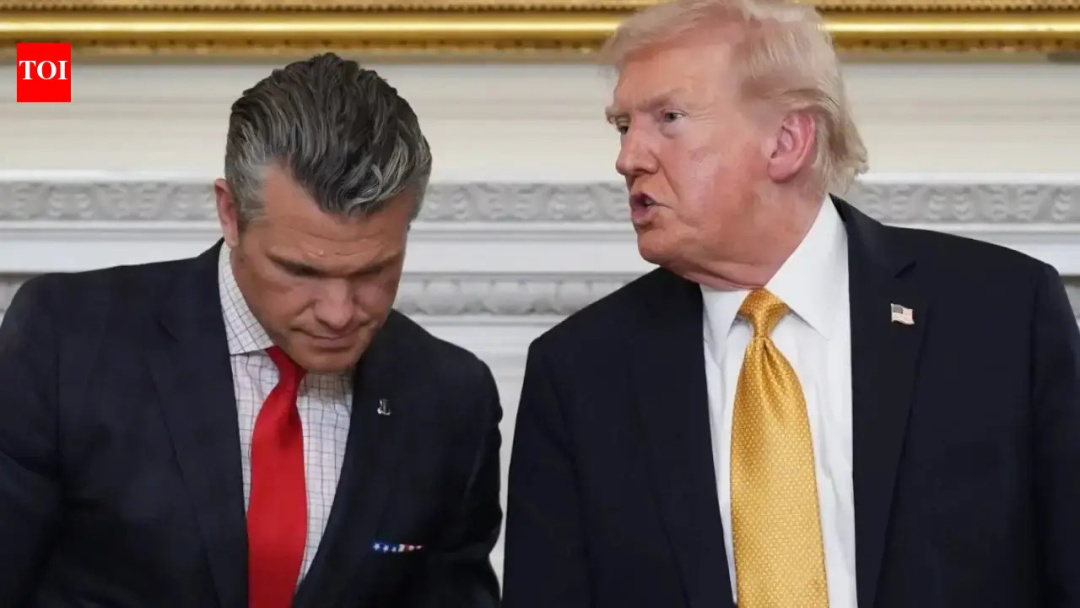
Trump's Bold Pentagon Overhaul Sparks Bureaucratic Whirlwind
President Trump's recent decision to shake up the Pentagon has been met with wide-ranging scrutiny as Army Secretary Dan Driscoll's resignation raises eyebrows across the political spectrum. As the debate heats up, critics argue that Defense Secretary Pete Hegseth’s aggressive reordering of military leadership is either a bold step toward efficiency or a reckless plunge into instability. With at least 20 military leaders exiting under this administration, the question looms: Is the military's leadership on solid ground, or has a leadership vacuum emerged that could threaten national security?
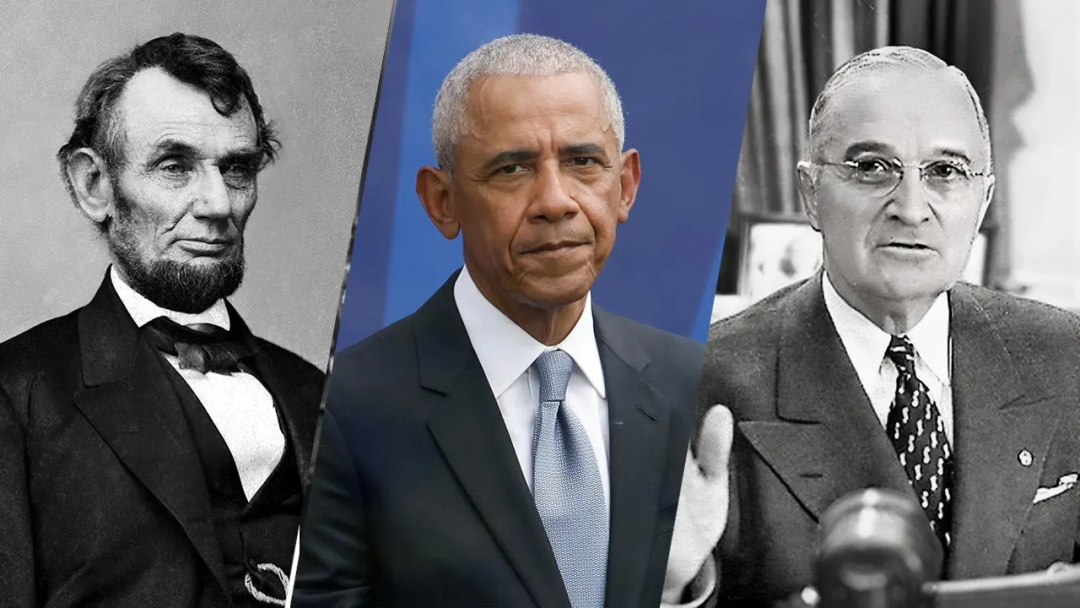
The sweeping changes at the top of the military hierarchy, reminiscent of past presidential power plays, highlight a historical pattern where presidents like Lincoln and Truman made swift decisions to replace military leaders whose strategies didn’t sync with their own. Yet what sets this moment apart is not just the rapid turnover but the heated discussions over whether Hegseth's strategy is paving the way for a stronger military or setting the stage for chaos. North Carolina Senator Thom Tillis has voiced concerns that Hegseth’s actions are crafting a leadership void, while others, like Senator Jack Reed, claim a culture of punishment for dissent has taken root, pushing competence down the priority list.
Still Beats Watergate:
Sponsor success. Continue reading:
In a bizarre twist, supporters of Hegseth proclaim a renaissance in military morale and recruitment, suggesting that his leadership has ushered in an era of 'Peace Through Strength' and slashed bureaucracy like a hot knife through butter. However, skeptics wonder if this enthusiasm for cutting red tape is simply a smokescreen for deeper issues within the Pentagon. The White House insists that the Army is more powerful than ever, thanks in part to Driscoll's tenure, which was supposedly marked by significant operational advances and military readiness.
Yet, as any good bureaucrat knows, when leaders change, so do the talking points. Driscoll's recent exit, which stemmed from clashes over crucial military strategies and readiness, has been framed by the administration as an opportunity for fresh perspectives—a classic political maneuver. Interestingly, the administration's narrative insists that the leadership shake-up is a product of the necessity of 'civilian control' over the military, a theme that has echoed through the ages. But how much control is too much when it begins to resemble a game of musical chairs?
Navigating Leadership Changes and Chaos
As the administration continues to navigate these turbulent waters, the Pentagon’s clear direction appears to be a moving target. The recent appointments and removals suggest a strategy that prioritizes loyalty over experience, prompting questions about long-term effectiveness. In a classic case of bureaucratic doublespeak, officials tout the importance of ensuring Army policy aligns with presidential whims, simultaneously painting a picture of coherence while acknowledging the chaos these decisions unleash.
Affecting you
As the country watches, it is clear that Trump's approach to military leadership is not just about personnel changes but rather an audacious reimagining of military oversight. The implications of this strategy will likely ripple through the ranks long after Dan Driscoll's successor settles into the role. For those concerned about the future of U.S. military stability, the Pentagon’s leadership shake-up might just be the beginning of a much larger bureaucratic spectacle, where the only certainty is that uncertainty reigns supreme.
The administration’s insistence that it is enhancing military readiness while simultaneously reshaping leadership may be the ultimate irony in this ongoing saga. As the curtain rises on this new act in the theater of military politics, one can only wonder how long before the next surprise resignation disrupts the carefully curated narrative of a unified military front.