Poland Fails to Overturn Veto, Blames Crypto for National Oversight Crisis
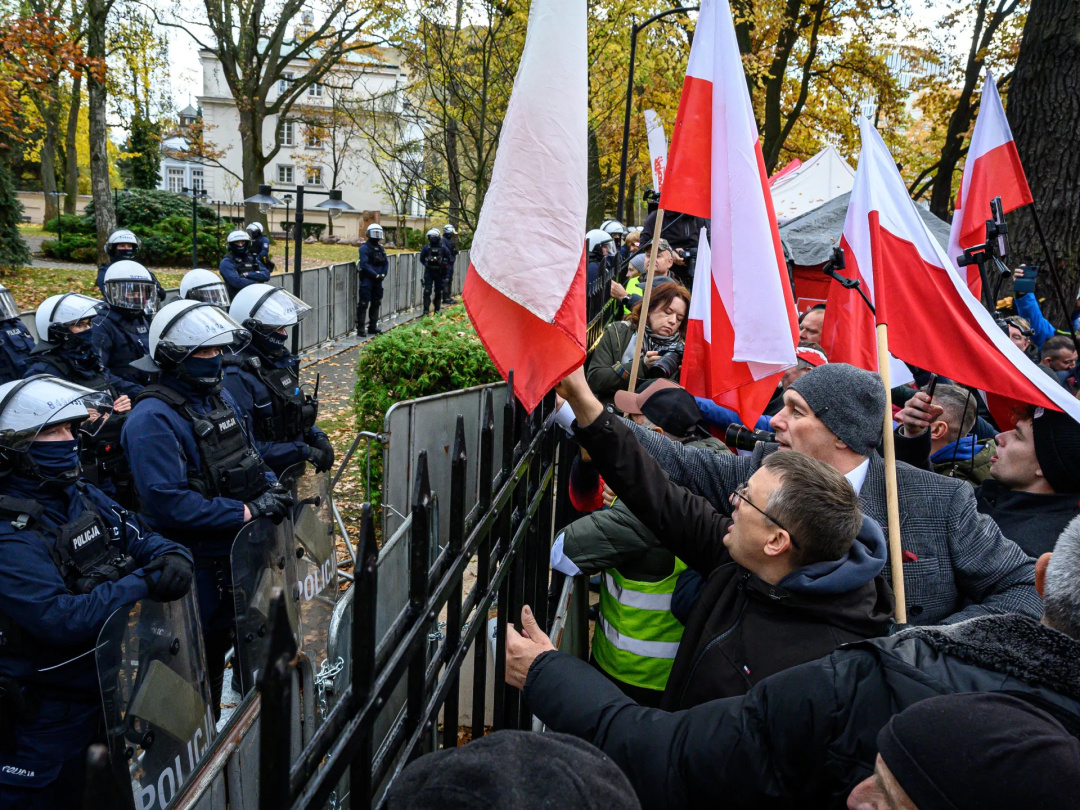
Poland's Sejm recently showcased its unparalleled ability to secure defeat in the face of a national crisis by failing to muster the necessary three-fifths majority to overturn President Karol Nawrocki's veto of critical cryptocurrency legislation. In a vote that could only be described as a dazzling display of parliamentary ineptitude, lawmakers cast their ballots with a resounding 241 in favor and 198 against, missing the needed 266 votes by a staggering 25. In a country that prides itself on its historical tenacity, this latest failure may signal an emerging trend: the more important the issue, the lower the chance of success.
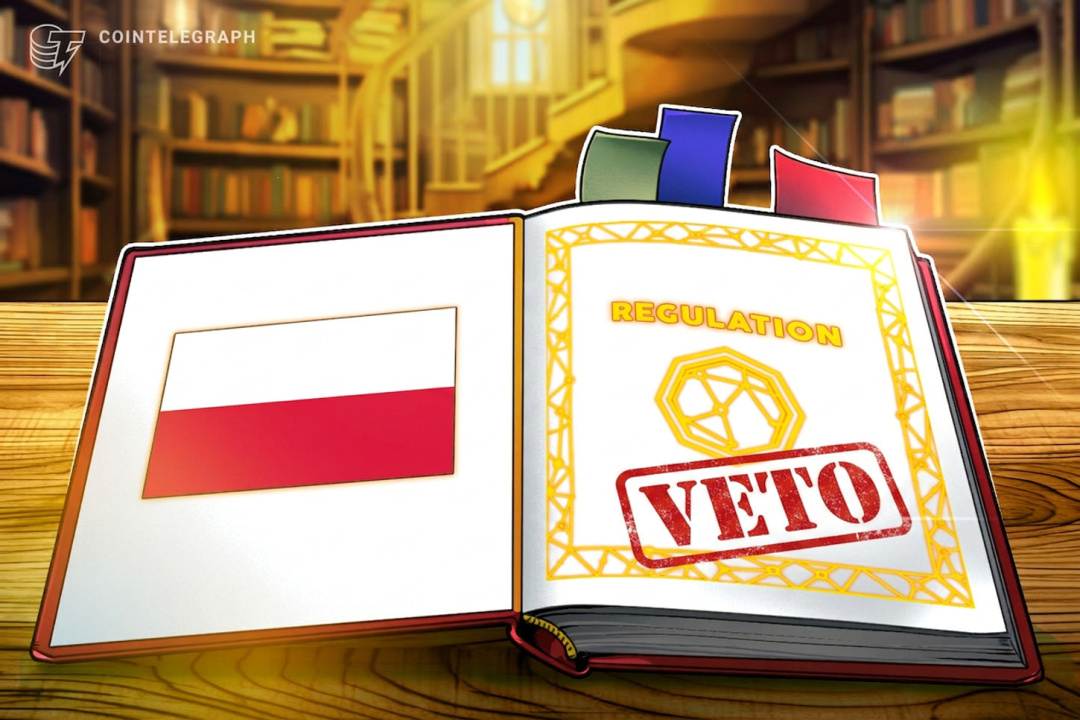
The proposed legislation aimed to fortify oversight of the crypto market in Poland and align the nation with the European Union’s Markets in Crypto-Assets Regulation, or MiCA for short—a name so grand it practically demands a standing ovation. Instead, the President argued that the proposed laws would overregulate the industry, leaving him with no choice but to veto the bill not once, but three times. He cited concerns over regulatory costs and an alarming potential for authorities to block websites, as if the mere thought of government interference with the Internet was not an everyday occurrence.
Still Beats Watergate:
Sponsor success. Continue reading:
As if the veto alone wasn't enough to spice things up, the Zondacrypto scandal has thrown the nation into an even deeper legislative quagmire. With its Estonian operator now declared bankrupt, the investigation is expanding faster than a politician's ego at a campaign rally. Prime Minister Donald Tusk has even pointed fingers at previous government officials, claiming that a staggering 2 million Polish zlotys—about $550,000—were allegedly funneled to influence political decisions. Truly, it’s a glittering array of political theater that even Shakespeare might envy.
Adding to the fun, Polish prosecutors are now investigating fraud and money laundering related to Zondacrypto, just as the estimated losses have ballooned to no less than 350 million Polish zlotys, or a whopping $95 million. Instead of taking decisive action, the government has opted for bureaucratic tangoing, where each step forward is matched with a backward moonwalk, leaving citizens wondering whether they should invest in crypto or just buy a lottery ticket for a chance at redemption.
Poland's Struggle with Crypto Regulation
In light of this mounting crisis, the Polish Financial Supervision Authority (KNF) has lamented that the nation still lacks a designated authority for crypto market supervision. With MiCA already in effect across the European Union, it seems Poland is approaching this regulatory challenge with all the urgency of a cat on a hot tin roof.
Applied to you
Instead of placing themselves at the forefront of crypto regulation, Polish lawmakers are embroiled in a game of political charades, where the stakes are high but the ambition appears comically low. In a bold twist of irony, even as they argue over the merits of regulation, they remain handcuffed to a political landscape riddled with scandal, procrastination, and a complete lack of direction.
With all this unfolding, one can only wonder how long it will be before the Polish government decides to create yet another committee to address the emerging crisis—perhaps the Committee on Unsolvable Problems would be an appropriate title. After all, in a world where regulatory debates clash with public incompetence, what better way to maintain the status quo than by doubling down on the absurd?