Trump's New Initiative: Let Wolves Run Free—In Ranchers' Backyards
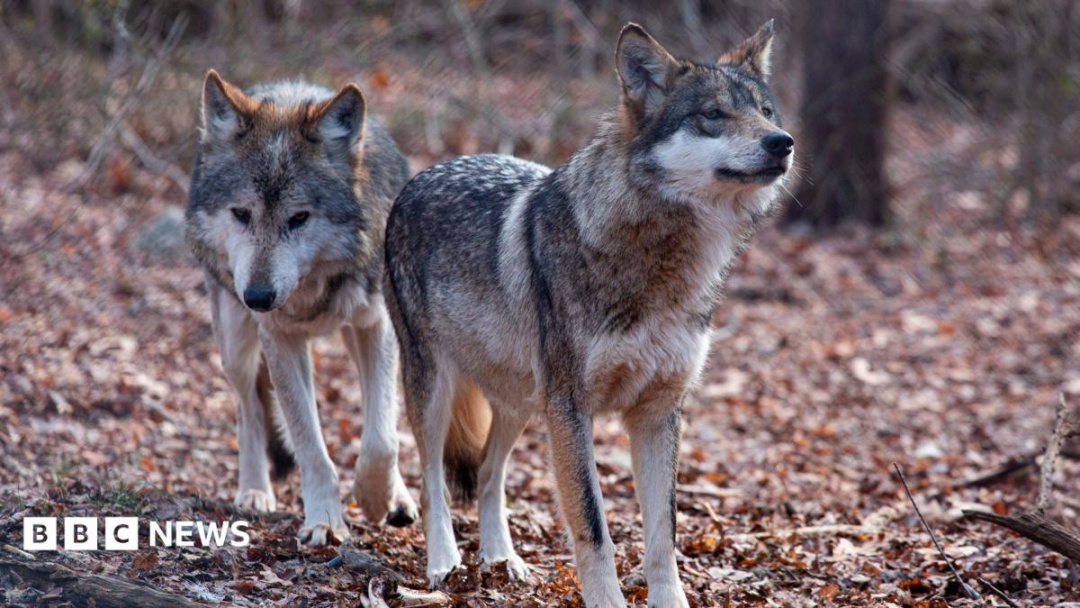
President Trump has launched a bold new initiative to invigorate ranching by signing an executive order that removes endangered species protections for the grey wolf. Advocates for the move argue that allowing ranchers to manage wildlife with a more hands-on approach will lead to robust economic growth in rural areas. In an impressive display of bureaucratic creativity, the new policy aims to align the interests of ranchers with the instinctual behavior of wolves, an evident match made in agricultural heaven.
The administration's plan outlines a comprehensive framework—dubbed the Rancher Empowerment Program (REP)—which promises to allow wolves to roam freely in open pastures while simultaneously ensuring that ranchers maintain complete control over their livestock. "It's about striking the perfect balance between nature and agribusiness," stated an unnamed official, confidently noting that the REP is set to revolutionize predator-prey relations. The initiative will, of course, include layers of approval processes, compliance audits, and performance metrics to ensure everything runs smoothly—at least on paper.
Still Beats Watergate:
Sponsor success. Continue reading:
To facilitate this transition, a new division within the Department of Agriculture called the Bureau of Creative Conservation will be tasked with drafting guidelines on how to perceive wolves merely as ‘intriguing companions’ rather than ‘endangered species.’ This shift in perspective will reportedly involve a series of workshops titled “How to Explain Wolves to Your Livestock,” aimed at helping ranchers communicate effectively with their herd about their new fuzzy friends.
In an unexpected twist, the executive order also announces a special task force dedicated to monitoring the emotional well-being of ranchers as they navigate their new relationships with wolves. This initiative will introduce mandatory counseling sessions for ranchers, designed to help them cope with any existential crises stemming from their new role as ‘wolf cohabitants.’
Not to be left out, the administration has ensured that this plan will come with its own set of consequences for any ranchers who dare to complain about their newfound companions. A strict penalty system will be implemented for those who fail to embrace their wolf neighbors, with fines levied for every complaint made about the predatory interlopers. Clearly, this is a brave new world where ranchers’ opinions will be measured against their own capacity for adaptation.
As the administration prepares to roll out this unprecedented policy, one can only wonder whether the grey wolves will indeed become the new icons of pastoral prosperity or if they will find themselves in a bite-sized predicament. Meanwhile, the conservationists, along with their dreams of robust wolf populations, can only hope they’ve packed enough supplies for the journey to the next committee meeting.
A Policy That Might Bite Back
The potential ramifications of this decision are not lost on those who have dedicated their lives to wildlife conservation. Experts warn that while ranchers may enjoy a temporary wave of agricultural enthusiasm, the long-term effects of such a policy shift could lead to dire consequences for wildlife recovery efforts. However, the administration has reassured stakeholders that they are ‘confident’ in this new direction, claiming that past successes in governmental initiatives provide ample precedent for this leap of faith.
The grey wolves, once symbols of resilience in the face of adversity, now stand at the precipice of a new era—one where their biggest threat might not be the ranchers chasing them away, but rather the very bureaucracy meant to safeguard them. Perhaps in time, the wolves will learn the ultimate lesson of survival: while they may not be at the top of the food chain, they certainly can be at the forefront of a policy farce that could rival any playbook in Washington.
Your Takeaway
In this brave new world of rancher-wolf relations, one thing is certain: the only thing more unpredictable than a pack of wolves is the logic of Washington politics. As the administration takes its next steps, all eyes will be on how this evolving situation unfolds. Will ranchers embrace their wild neighbors, or will they soon find themselves howling at the moon alongside them? Only time—and perhaps a few wolf counseling sessions—will tell.