Both Parties Team Up Against Data Centers in Midterm Advertising Blitz
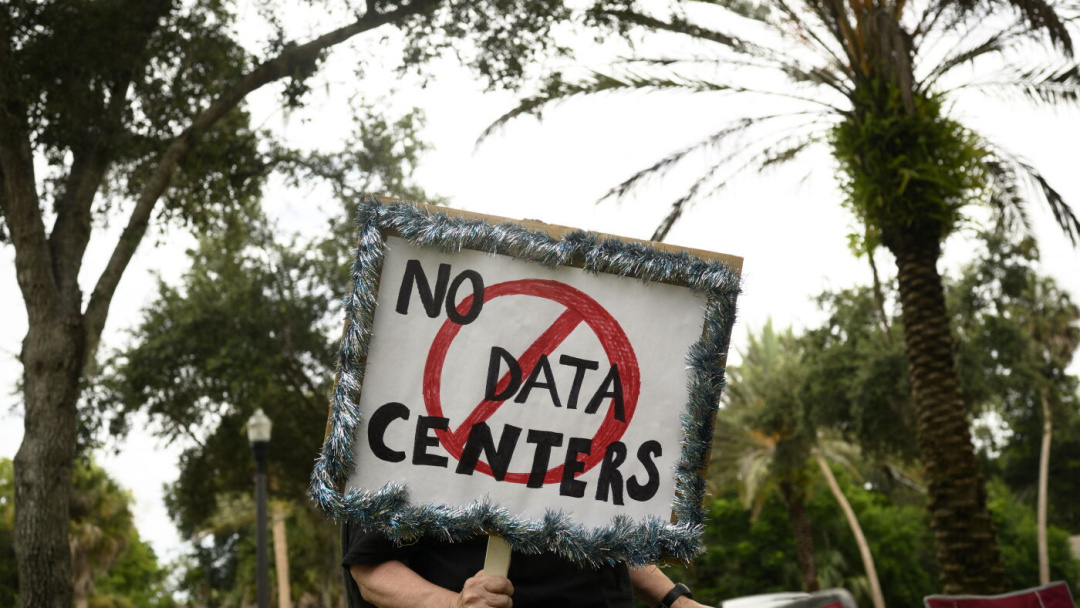
Both parties in Washington have discovered a rich vein of political gold in the form of data centers, those unassuming powerhouses of the artificial intelligence revolution. As campaign ads blanket the airwaves from Georgia to Iowa, Republicans and Democrats have found common ground, rallying together under the banner of anti-data-center sentiment—an unexpected alliance that could only be described as delightfully ironic given their usual partisanship.
In what can only be termed a masterclass in political theater, candidates are channeling public angst over data centers. Apparently, these facilities are responsible for everything wrong in the world, from job losses to the mysterious disappearance of local pizza shops. Each party has dedicated millions towards ads depicting these data centers as the veritable boogeymen of modern society, which is certainly a simpler narrative than addressing the complexities of economic and technological change.
Still Beats Watergate:
Sponsor success. Continue reading:
The response from the political elite has been predictably grandiose. The newly formed Committee for the Defense Against Data Centers will be overseeing all related anti-data center initiatives, ensuring that every ad has the proper bureaucratic seal of approval. This committee will utilize a groundbreaking metric called the Public Angst Index (PAI), which aims to quantify just how angry voters are about these tech hubs. Initial reports suggest that voters’ fury is at an all-time high, which is convenient because it aligns perfectly with campaign season.
Candidates Propose Legislation Against Data Centers
As excitement builds, candidates are eagerly proposing legislation aimed at curtailing the growth of data centers. Legislative drafts filled with impressive nouns—like "data sovereignty" and "technological transparency"—promise to deliver a crushing blow to these facilities. However, critics are quick to point out that these proposals often lack any actionable verbs, making them more of an exercise in creative writing than actual governance. In a recent statement, one ambitious senator proclaimed that they would “definitely think about possibly addressing data centers” during their next term.
Affecting you
For the average voter, the real question remains: what does this all mean for them? In a bold move, one party has suggested offering tax breaks to those who can prove they’re sufficiently outraged by data centers, creating what they term a “Data Center Dissent Program.” This initiative promises to stimulate grassroots complaints while ensuring ample photo opportunities for campaign ads.
As the campaign progresses, one can only speculate how many more policies will emerge from this newfound bipartisan camaraderie against data centers. Perhaps the next election cycle will see a Ministry of Data Center Affairs formed, complete with its own bureaucratic layers and a budget large enough to rival that of small countries. Whatever the outcome, the spectacle of political unity against a common foe has never been so entertaining, nor so absurd.