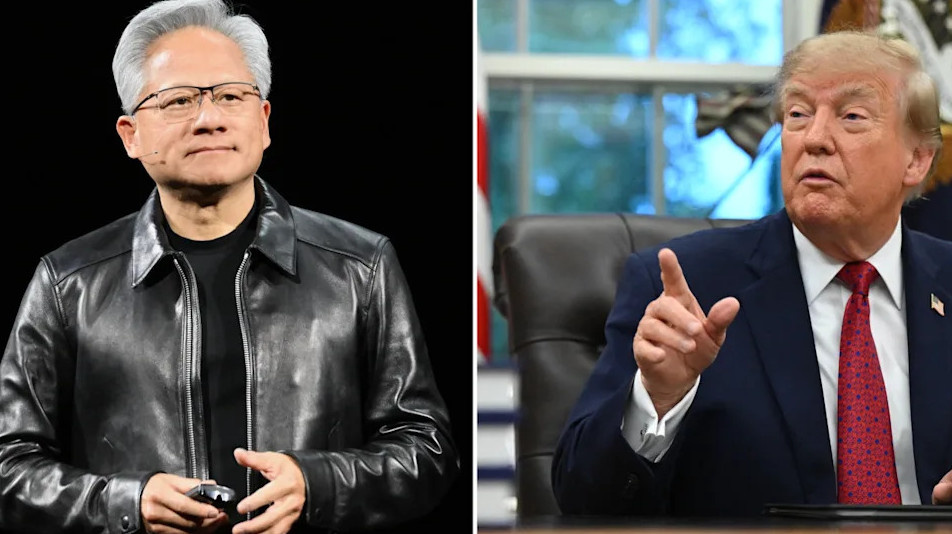
Trump's AI Diplomacy: When Peace Negotiations Get a Tech Upgrade
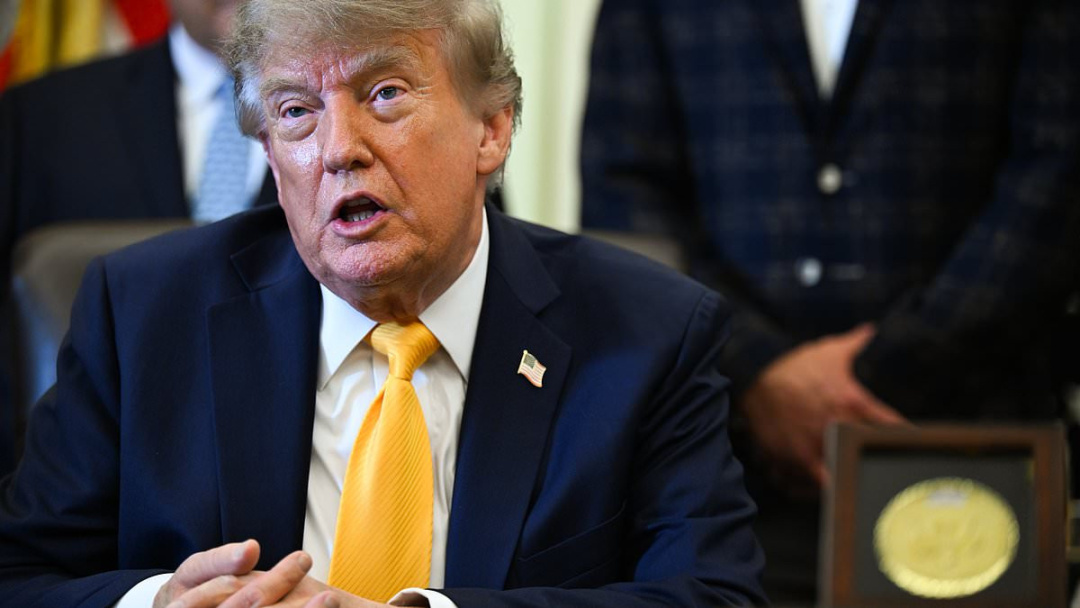
The Trump administration has boldly entered the world of international relations, where diplomacy now comes with a side of silicon. Reports indicate that officials have used access to cutting-edge AI chips from Nvidia as an enticing incentive to broker peace between warring nations. This innovative approach, dubbed 'chip diplomacy,' raises pressing questions about how far tech can go in easing global tensions, and whether the fate of nations should be determined by the latest advancements in graphics processing units.
In a move that seems more fitting for a tech startup than a government agency, negotiators have managed to leverage these precious AI chips to secure peace agreements. This high-stakes game of tech poker is apparently designed to entice leaders to the negotiating table, significantly shifting the dynamics of traditional diplomacy. Who knew that the resolution of international conflict could hinge on the availability of a few high-performance processors?
Still Beats Watergate:
Sponsor success. Continue reading:
However, the real kicker lies in the posturing of wealth. As the world watches this unprecedented fusion of technology and diplomacy, one of the wealthiest individuals globally is reportedly reaping the rewards of this arrangement. It's almost poetic: while one group of leaders scrambles to bring peace to their nations, another sits back and counts their chips—quite literally.
Bureaucratic Responses to Chip Diplomacy
In response to skepticism regarding this approach, officials are prepared with a flurry of bureaucratic assurances. They have crafted an entire policy framework to ensure that this 'chip diplomacy' adheres to international norms while simultaneously creating a new category of diplomatic engagement. The White House has even formed a dedicated committee to oversee this initiative, aptly named the Committee for the Preservation of Chips and Peace (CPCP). While the acronym suggests a noble aim, critics are already asking whether this is merely a clever rebranding of traditional influence peddling.
Your takeaway
As the administration continues to march forward with its grand vision, the question looms larger: can technology truly replace genuine diplomatic dialogue? Critics note that reducing complex geopolitical issues to transactions involving technology may overlook the nuanced human element. Nevertheless, the administration remains undeterred, claiming that 'if a few silicon chips can save lives, then we’re all in.' The performance metrics of this strategy are being developed, with officials promising to evaluate the success based on peace treaty signings per chip distributed.
The ultimate irony is palpable. While the world is led to believe that technology will usher in a new era of peace, it seems increasingly clear that the administration may just be playing a high-stakes game of Monopoly with the fates of nations. As they roll the dice with AI technology, one can't help but wonder what happens when the game is over. Will the chips fall where they may, or will we find ourselves in a world where billionaires win international peace, one chip at a time?