Lindsay Clancy Mistrial Sparks Confusion Over Judicial Consequences
The recent conclusion of the Lindsay Clancy murder trial in Massachusetts has plunged the judicial system into a bewildering realm of uncertainty, as a hung jury leaves court officials fishing for a verdict that may never surface. Following seven days of deliberation, the jury’s inability to reach a consensus resulted in Judge William Sullivan declaring an official mistrial—much to the dismay of those who thought justice would be served with a side of clarity.
With the jury reportedly split 11 to 1, the real trial may now begin as prosecutors and defense lawyers prepare for a potential sequel. Attorney David Meier, representing Clancy’s ex-husband Patrick, noted, “The prospect of another trial is extremely painful,” a statement echoing the sentiments of a nation collectively shrugging at the legal circus that has unfolded.
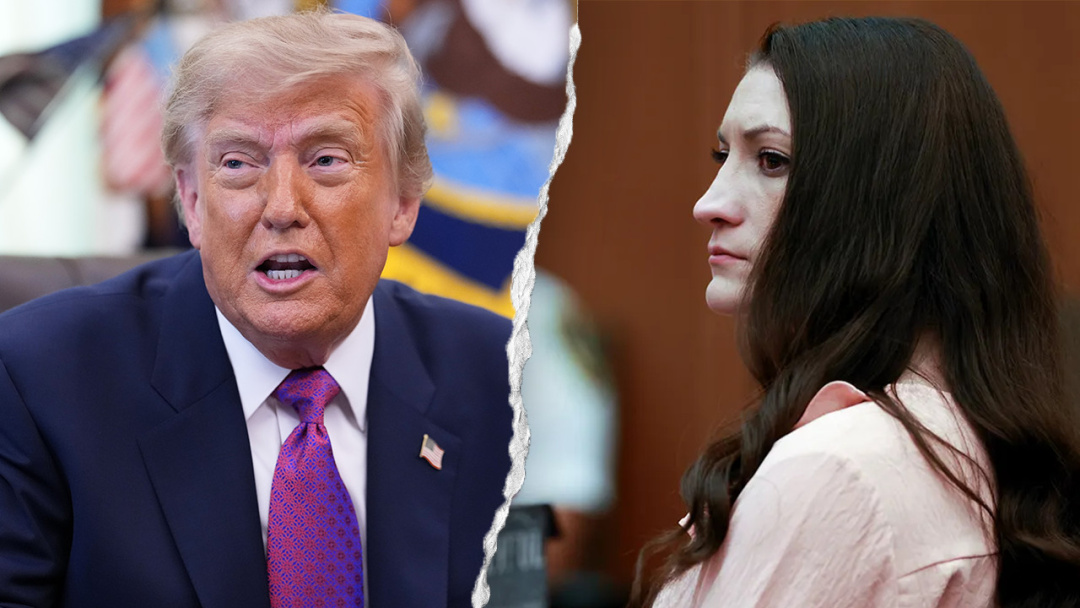
In a classic bureaucratic twist, President Trump, perched in the Oval Office, assured the public that Clancy would face consequences—though specifics remain as clear as mud. "There’ll be a price," he confidently proclaimed, while the Department of Obfuscation announced plans to create a new task force dedicated to defining what that price might entail, with subcommittees exploring everything from psychiatric evaluations to hypothetical prison sentences.
District Attorney Timothy Cruz has also joined the fray, supporting the first-degree murder charges but criticizing the “disgusting” online treatment of the lead female prosecutors involved. In a bold move towards political optics, he suggested that the next trial might involve live streaming, allowing the public to join in the spectacle and witness firsthand the drama of judicial indecision.
Clancy's Return to Psychiatric Care
Amidst all this, Clancy will return to Tewksbury State Hospital, a psychiatric facility where she has been since the tragic deaths of her children. Her defense team contends that she was in the grips of postpartum psychosis—a diagnosis that now seems to come with its own set of legal implications and bureaucratic classification forms, which officials will need to navigate like a high-stakes game of legal chess.
Applied to you
As speculation intensifies about potential retrials or plea deals, the Massachusetts judicial system may very well need a new set of guidelines on how to handle such high-profile cases without descending into utter absurdity. Will the next trial be a mere reenactment, with actors portraying key figures, or perhaps a public relations campaign to redefine justice in the age of social media?
In the end, as officials flounder in a sea of procedural confusion, one thing is certain: the Clancy case will reflect the state of our judicial system, raising questions about accountability, responsibility, and a potential need for a national conversation on what it means to truly seek justice—all while the audience awaits the next act with bated breath.