Spencer Pratt Declares 1980s a Cultural Utopia, Blasts Ryan Reynolds for Anti-Hero Rhetoric
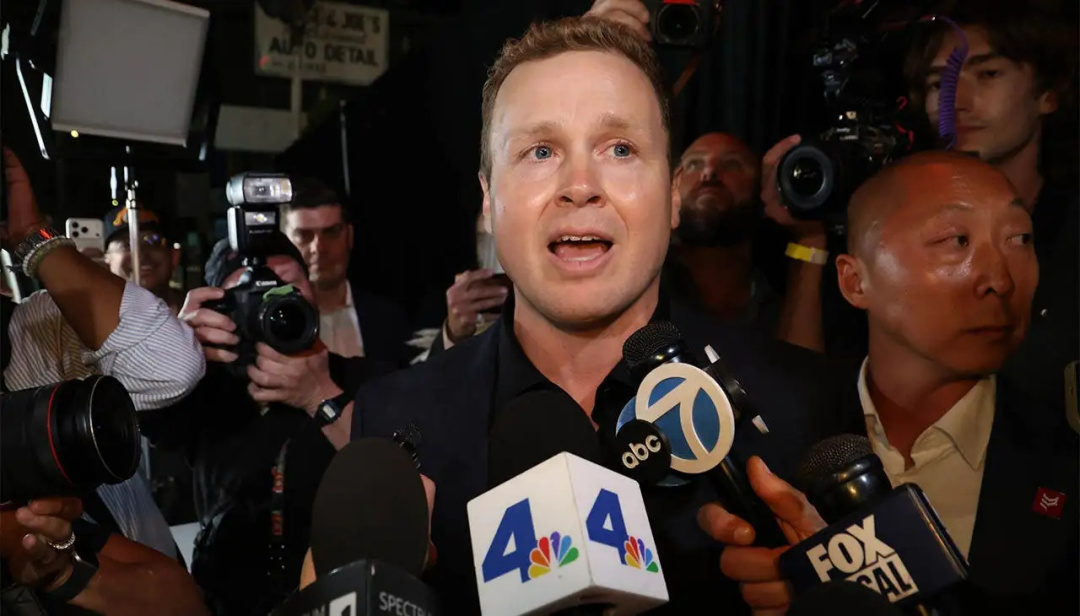
Spencer Pratt has emerged as the unexpected guardian of 1980s nostalgia, launching a full-throttle attack on Ryan Reynolds after the actor dared to label the decade as "brutal" and a "f---ing mess" during a promotional event for his new movie 'Mayday.' In a context where nostalgia is usually celebrated, Pratt's defense of the 80s as a time of cultural sanity has turned heads—something he attributes to Hollywood’s current infatuation with anti-heroes, which he believes distorts moral clarity.
The former reality star turned political figure shot back at Reynolds through social media, insisting that the 80s were a golden age where villains were clearly defined and heroes like Tom Cruise’s character were the standard bearers of virtue. "In 80s movies, bad guys were villains. Today, the bad guys are the heroes," he proclaimed. Clearly, Pratt sees the current trend as a sign of societal decay, where mental illness is romanticized and wickedness is celebrated in ways that would make even the most liberal 80s film producers squirm.
Still Beats Watergate:
Sponsor success. Continue reading:
Pratt's tirade, complete with an impassioned video, illustrates his belief that the era of 'Top Gun' and 'Rambo' is superior to the cynical narratives of modern cinema that often elevate morally ambiguous characters to hero status. He positions himself as a cultural historian, bravely defending a time when the lines between right and wrong were not just blurred but were, according to him, painted in bold, primary colors.
However, Reynolds, who has made a career out of playing characters that straddle the line between hero and anti-hero, likely views this critique as misguided. After all, Reynolds has a knack for pointing out the absurdities of nostalgia while simultaneously banking on it in his cinematic endeavors. It seems Pratt’s vision represents a longing for a simpler time, one where audiences were not asked to sympathize with characters like Tony Soprano but to root for clear-cut heroes instead.
Cultural Narratives in Modern Storytelling
This cultural clash raises critical questions about the narratives we consume and their implications. The fixation on anti-heroes—exemplified by contemporary hits like 'John Wick' and 'Deadpool'—challenges our understanding of morality in storytelling. It seems we’ve gone from the days of "good triumphs over evil" to celebrating characters who redefine what it means to be heroic.
Applied to you
In this context, Pratt's analysis could be seen as an appeal to restore clarity to narratives that have increasingly favored complexity over simplicity. It’s a contrast between the sanitized ideals of yesterday and the morally ambiguous choices of today, with Pratt urging young filmmakers to choose their paths carefully. Perhaps there’s wisdom in his counsel; after all, Hollywood has a history of glorifying the flawed while demonizing the straightforward.
As this debate unfolds, one can’t help but wonder: will Hollywood heed Pratt’s call for a return to moral clarity? Or will the allure of the anti-hero continue to pull audiences into darker narratives that reflect our own complexities? In any case, this clash of cultural perspectives promises to shape the discourse surrounding our cinematic experiences for years to come.