Iran's Fuel Reserves Hit 'Jaws of Death' Status as Trump Declares Economic War
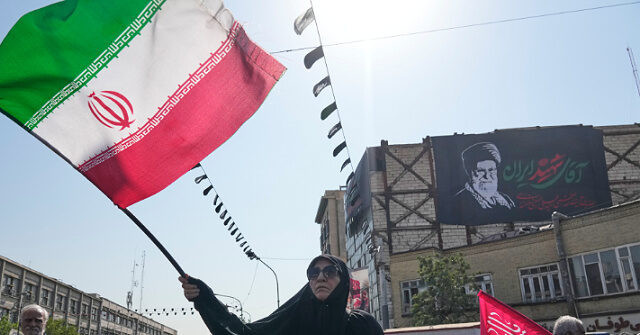
Iran's fuel reserves are hanging by a thread, with the regime officially stating that it has only about two months of gasoline left, a stark reality underscored by U.S. sanctions that Treasury Secretary Scott Bessent has dramatically branded as the 'Jaws of Death for the Iranian Economy.' This intense assessment was not merely a slip of the tongue, but rather a calculated admission from the very heart of Tehran's beleaguered administration.
With the U.S. blockade tightening around Iran's economy like a vice, the Islamic Republic now finds itself wedged between a rock and a hard place, where even the most creative financial contortions are failing to keep its oil exports afloat. For years, Iran's oil network thrived on a patchwork of shadowy dealings—front companies and smuggling operations that once danced around sanctions now find their pirouettes increasingly hampered by Washington's chokehold.
Still Beats Watergate:
Sponsor success. Continue reading:
Bessent’s proclamation paints a grim picture: no crude shipments have made it through the Strait of Hormuz to China since the blockade was reinstated. Instead, Iranian oil languishes on vessels, stuck in a geopolitical limbo, serving as a grim testament to the regime's dwindling fortunes. In what might be a sign of bureaucratic optimism, Bessent has launched Operation Economic Outcast, aimed at creating an “economic asphyxiation” that he believes will lead to a complete regime collapse. If that isn’t the kind of fearless rhetoric one expects from a high official, what is?
As Bessent outlined the situation with a Jaws-themed graphic, the absurdity escalated. The Iranian currency is plunging like a stone, and inflation is soaring higher than a kite at a summer picnic. Meanwhile, everyday Iranians are witnessing their purchasing power evaporate, as the rial now trades at more than 2.2 million to the dollar. Any casual observer might consider this a plot twist worthy of a dramatic screenplay, except this is the grim reality faced by millions.
Iran's Leaders Confront Economic Reality
Compounding the chaos, Iranian officials are publicly acknowledging the dire economic climate, which they once dismissed with bravado. President Masoud Pezeshkian has admitted that imports and exports have plummeted between 25 and 35 percent, singling out gasoline as a critical shortage. Meanwhile, Parliament Speaker Mohammad Bagher Ghalibaf has issued warnings that military might alone cannot save a nation whose citizens face starvation.
Your takeaway
As the U.S. continues to tighten the economic screws, the Iranian leadership’s desperate calls for negotiations echo hollowly against the backdrop of their self-inflicted woes. This is the same regime that once flaunted its resilience now left to scramble for relief, revealing a strange symmetry between the U.S. strategy of economic warfare and Iran’s ineffective countermeasures. The irony is too rich to ignore: they may have dug their own grave while attempting to outsmart an economic blitz that feels like watching a slow-motion train wreck.
Everything culminates in a bleak tableau of desperation, where citizens are turning to sell burial plots to scrape together cash—perhaps the most morbid indicator of economic despair. Bessent’s strategy has effectively turned the spotlight back onto Iran, forcing the regime and its people to confront the consequences of their long-standing reliance on a precarious economic status quo. With the U.S. seizing the financial high ground, the situation raises one final question: just how low can this regime go before it cracks under the weight of its own mismanagement? This self-imposed stranglehold could be the beginning of the end for an administration that has spent decades dancing with danger while claiming dominance over its fate.