Trump's Bold Excuses for Lutnick's Iran Fiasco: A Masterclass in Political Theater
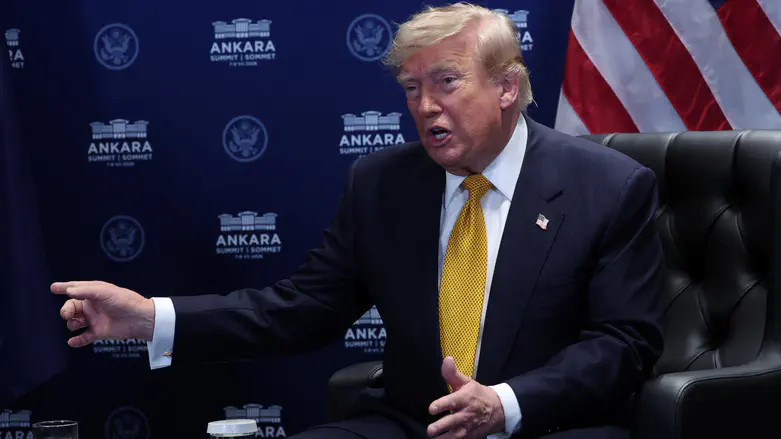
President Trump has once again taken to the podium to illuminate America with his unique brand of logic, bravely defending Commerce Secretary Howard Lutnick in the wake of a staggering blunder regarding Iran. In a move reminiscent of a seasoned magician pulling rabbits out of hats, Trump made a series of excuses that could only be described as masterful political theater, leaving both supporters and critics scratching their heads in disbelief.
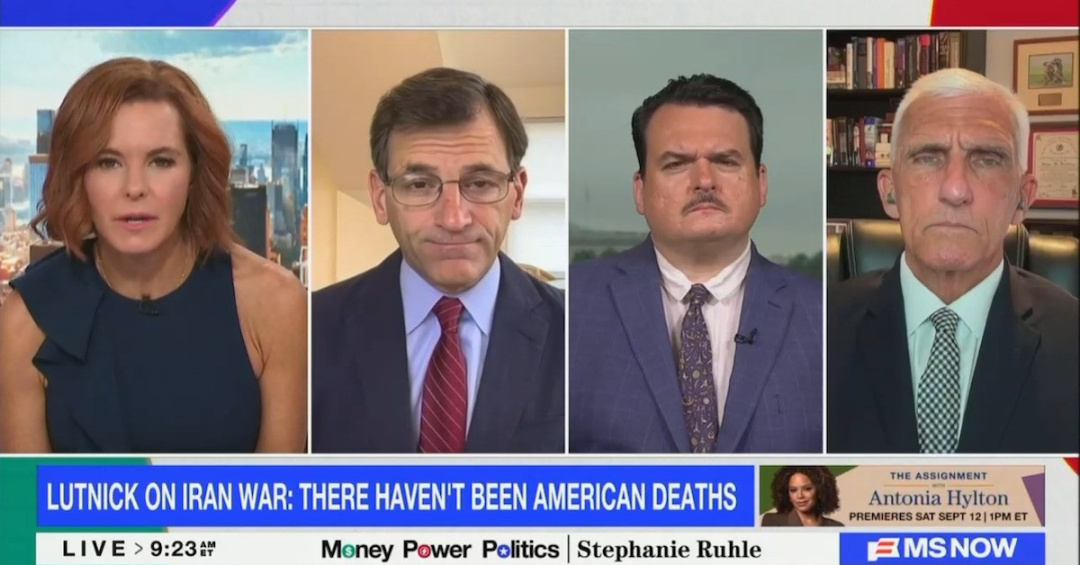
Lutnick, whose recent comments on Iran have stirred a maelstrom of controversy, found himself at the center of a storm that could make even the most seasoned weather forecaster blush. Unperturbed, Trump confidently stated that Lutnick’s gaffe was merely a misunderstanding — a classic case of “what he meant to say.” This has prompted the formation of the newly established Department of Clarifications and Reinterpretations, which aims to ensure that every statement uttered by an official can be successfully recontextualized into a palatable narrative.
Still Beats Watergate:
Sponsor success. Continue reading:
In a press briefing that resembled a Broadway opening night more than an official government update, Trump announced that Lutnick would be receiving the coveted Presidential Medal of Ambiguous Messaging, awarded for his unparalleled capability to generate misunderstanding at unprecedented levels. This prestigious honor aims to encourage other bureaucrats to adopt the same flexible approach to truth-telling, reinforcing the administration's commitment to reinventing reality.
As part of the initiative, the White House has also introduced a new performance metric called the Gaffe-to-Excuse Ratio (GER), which will assess how many political mistakes can be effectively spun into acceptable narratives by officials before public faith evaporates entirely. Early tests indicate that Lutnick's recent performance could yield a GER score that rivals the best in White House history, prompting administration insiders to speculate about future appointments based solely on their ability to excuse their own blunders.
Excuse-Making Becomes a Cabinet Trend
Meanwhile, as Lutnick basks in the glow of his newfound glory, Trump’s excuses have sparked a wave of creative thinking among other cabinet members. Rumors are swirling of secret meetings intended to brainstorm the next round of defenses for any potentially disastrous statements, with one official reportedly suggesting the formation of a “Committee on Making Stuff Up” to streamline the process of crafting future denials.
In the ever-evolving landscape of American politics, it seems that the art of excuse-making has reached new heights. As the administration continues to navigate the turbulent waters of governance with a combination of bravado and bewilderment, one must wonder how much longer the public will tolerate a constant cycle of gaffes followed by performances worthy of an Oscar. The future of political accountability appears murky at best, but one thing is clear: it’s going to be a show worth watching.
The Future of Accountability in Politics
As this administration charts its course, the potential for further absurdities in political behavior looms large. The introduction of new committees aimed at rehabilitating the narratives of floundering officials could lead to an unprecedented era of creativity in political excuses. With Lutnick's endorsement of Trump’s rationale serving as a shining example of bureaucratic ingenuity, observers are left to wonder what the next episode in this ongoing saga will entail.
With each twist and turn, the public remains entertained, even as they grapple with the underlying implications of such theatrical governance. The delicate balance of credibility versus performance art will likely remain the central theme, as officials continue to prioritize narrative over reality in their daily operations. As they say in Washington, actions speak louder than words — unless those words come with an outstanding excuse.