Trump Considers Targeting Iran's Pickaxe Mountain: A Tactical Approach to Political Machinations
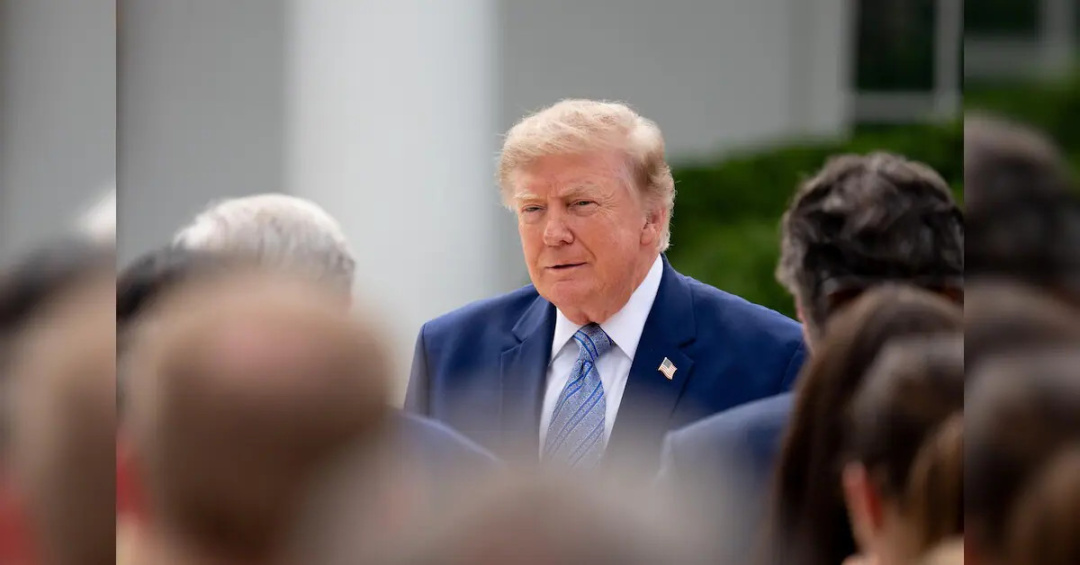
President Donald Trump has boldly declared that the United States may soon target Iran's heavily fortified underground nuclear site known as Pickaxe Mountain, potentially launching a new phase in military strategy that prioritizes campaign rhetoric over nuanced diplomacy. Speaking with characteristic bravado, Trump indicated that Washington is prepared to take decisive action if intelligence suggests significant activity at the site, thereby positioning himself as a leader willing to embrace aggressive posturing in the face of international tensions.
In a move emblematic of his administration's penchant for unpredictable foreign policy, Trump has directed military advisors to develop a comprehensive proposal dubbed Operation Pickaxe, which reportedly includes a series of options ranging from aerial bombardments to elaborate diplomatic backchannels that have yet to materialize. This initiative aims to deter Iran while simultaneously galvanizing support from his base, who are always eager for a good show of strength, particularly with the elections looming.
Still Beats Watergate:
Sponsor success. Continue reading:
To streamline this ambitious endeavor, the administration has appointed a newly created task force: the Bureau of Overzealous Military Responses (BOMR). This bureau will be tasked with evaluating and implementing strategies that allow for the execution of military action without the cumbersome interference of traditional diplomatic protocols. In an internal memo, the BOMR outlines its mission to ensure that any military response is presented as a bold and necessary tactic rather than an impulsive reaction, thereby transforming potential chaos into a narrative of heroic leadership.
Distraction Tactics Amid Domestic Struggles
Despite the stirring talk of military prowess, there are growing concerns that this aggressive stance may overshadow the administration’s domestic failures. As political analysts have pointed out, the timing of these threats appears less about national security and more about shifting public attention from internal challenges. In a nation increasingly weary of endless wars, the administration is banking on the idea that a well-timed conflict can serve as a useful distraction from issues like healthcare and infrastructure decay.
Affecting you
The military establishment, while publicly supportive, remains wary of the rapid escalation of hostilities, expressing serious concerns over any plans that might lead to unprovoked engagements. As one defense official noted, “We must ensure that every action is justified beyond mere political expediency. After all, it’s not just about winning votes; it’s about winning wars too—or at least convincing people we are.”
In light of these developments, it remains to be seen how this strategy will play out in the broader context of international relations and electoral dynamics. The administration's next moves will undoubtedly be scrutinized closely not only by foreign adversaries but also by an American public increasingly fatigued by political theater masquerading as foreign policy. As the BOMR prepares for its first briefing, one can only hope it comes equipped with more than just a pickaxe and a prayer for success.