Judge Orders Trump Officials to Reveal Secret Architects of the 'Anti-Weaponization' Fund
A federal judge has taken a bold step in the tangled saga of the Trump administration's nearly $1.8 billion 'anti-weaponization fund', recently declaring that government officials must reveal who exactly had the bright idea to create such a financial marvel. U.S. Magistrate Judge Ivan D. Davis of the Eastern District of Virginia issued an order that not only demands disclosure but treats the request as a significant leap towards unraveling what some have dubbed a 'slush fund'. This ruling comes after a lawsuit filed by a disgruntled January 6 prosecutor and a law professor, who appear determined to dig deep into the muddy waters of this fund's questionable legitimacy.
The fund, which was reportedly established to compensate those who have purportedly suffered from 'weaponization and lawfare', including potentially those convicted during the January 6 insurrection, has become a lightning rod for controversy. According to legal representatives, this fund is viewed as a financial safety net for privileged individuals, including rioters who were later pardoned by Trump, raising eyebrows and hackles across the political spectrum. And what a delightful bouquet of bipartisan disdain it has attracted!
Still Beats Watergate:
Sponsor success. Continue reading:
Despite Attorney General Todd Blanche's bold proclamations that the fund is now 'dead', this proclamation has left more questions than answers. Blanche's written assurances failed to include the necessary signatures from the original agreement, leaving the door ajar for a potential revival. This gaping loophole has not gone unnoticed, prompting laughter and incredulity amongst those who thought a simple signature could stop the chaos.
Trump's Mixed Signals on the Fund's Future
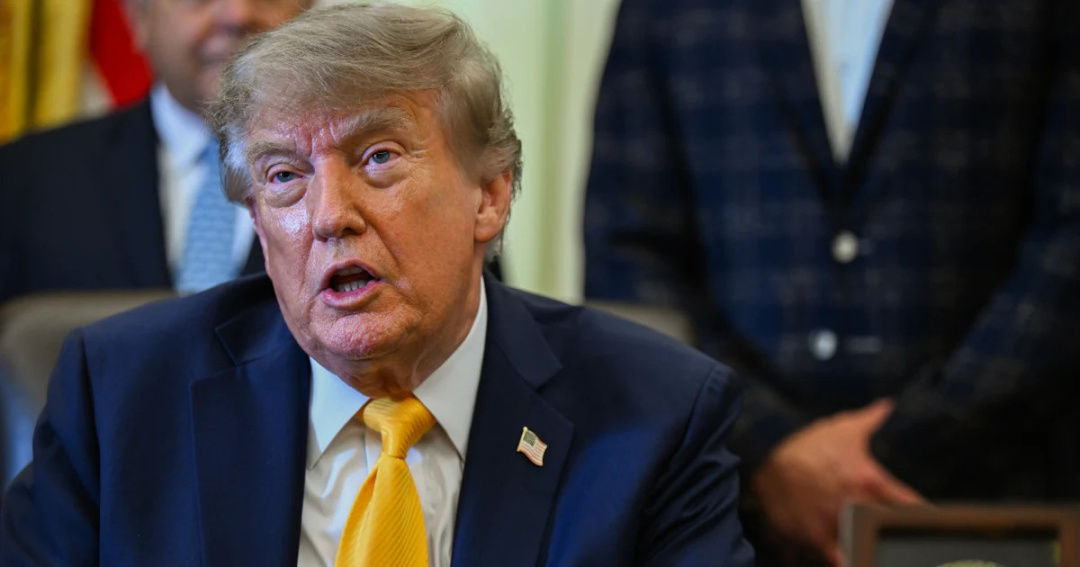
Adding to the spectacle, during a recent Cabinet meeting, Trump himself weighed in on the issue, stating with a straight face that while the fund is 'dead', he secretly wishes it were not. His candid admission hints at his ongoing interest in the fund, especially as he contemplates whether to reward those who have faced punitive consequences for their actions on January 6. It seems the fund's fate is not just tied to legal rulings, but also to the whims of the former president and the emotional turmoil of his Cabinet.
Your takeaway
As this courtroom drama unfolds, we can only anticipate what bureaucratic magic might emerge next. Could we see new committees formed to analyze the emotional impacts of this fund? Perhaps a comprehensive study will be launched to gauge the feelings of those who audaciously dared to storm the Capitol? The possibilities are endless, and the Trump administration has never been shy about creating solutions with all the substance of cotton candy.
In the meantime, one Jan. 6 defendant has already seized the opportunity to push for a $1 million payout, cementing his stance that the government owes him for his time spent in prison. Treniss Evans III, after all, has decided that participating in the insurrection merits a handsome financial reward, pushing the concept of personal accountability into new, comically absurd territory. As we await the final verdict on the fate of this fund, the only certainty is that in Washington, D.C., the paperwork will continue to multiply while the reality remains as elusive as ever.