Telle Takes Command in Army: A Move Celebrated by All the Right People
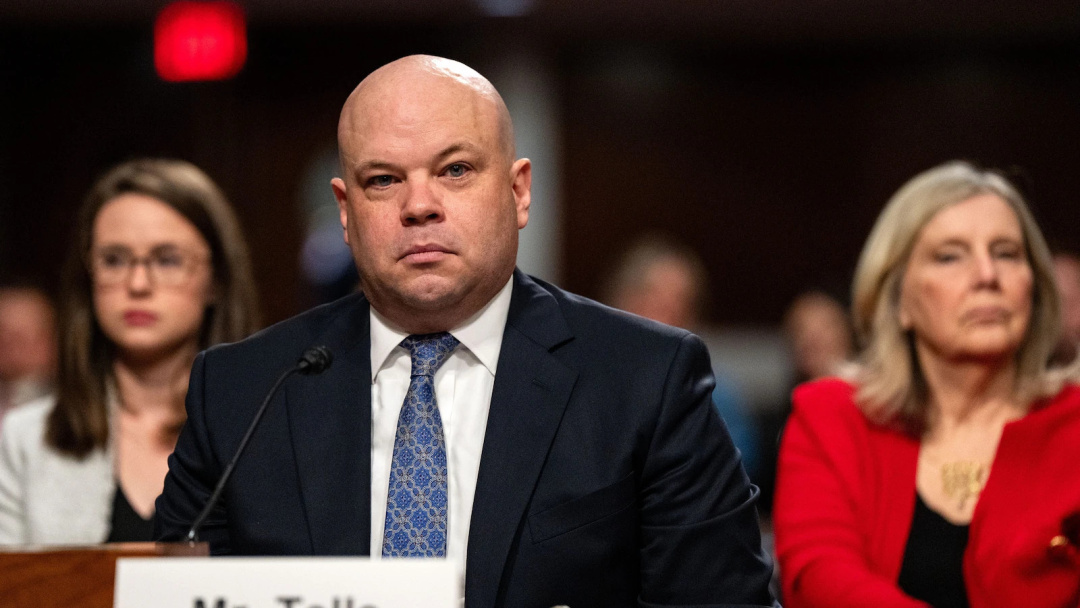
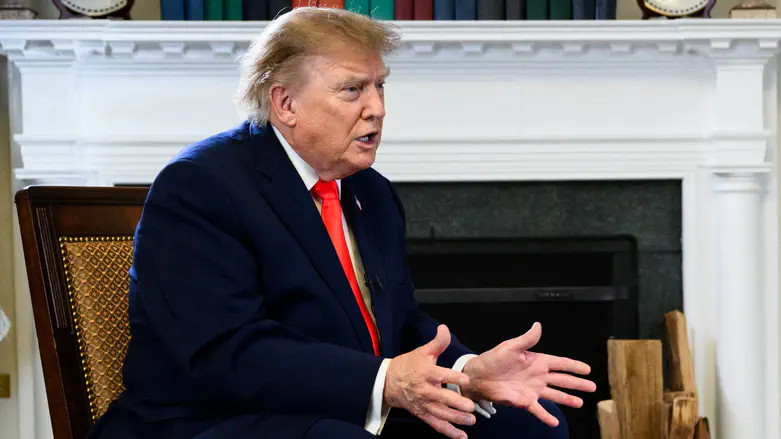
President Trump has boldly appointed Adam Telle as the acting secretary of the Army, immediately filling the void left by the departing Dan Driscoll, who mysteriously resigned just a day before. In a decisive move, the President declared Telle a "Great Patriot, who is respected by all," perhaps signaling the kind of enthusiastic endorsement only seen in the highest echelons of political theater.
This appointment unfolds a familiar narrative in Washington: as one secretary departs, another is swiftly installed, often without any substantial change in the underlying drama. Telle, who previously served as the assistant secretary of the Army for Civil Works, brings extensive experience in strategic photo opportunities and legislative jargon. His prior role involved crafting intricate bureaucratic narratives, a skill that will surely serve him well in the tumultuous landscape of U.S. defense.
Still Beats Watergate:
Sponsor success. Continue reading:
As the Senate Armed Services Committee Chairman Roger Wicker chimed in with his approval of Telle, one must wonder whether his praise was more about the man or the political optics. "The President made an excellent choice," Wicker stated, presumably from his well-decorated office. With such high praise, Telle must feel the weight of expectations—especially considering that his primary qualification seems to be a knack for staying out of the spotlight.
Driscoll's abrupt departure is cloaked in whispers of tension with Defense Secretary Pete Hegseth, a relationship that may have been strained by competing visions of military strategy and a shared reluctance to deal with actual issues facing the Army. The White House's gratitude toward Driscoll, described as "highly effective," raises more questions than it answers about the effectiveness of a secretary who had to be replaced under such circumstances.
Continuing the Cycle of Leadership Changes
In a quaint twist, Telle’s appointment might be seen less as a solution and more as an extension of the same bureaucratic machinery that often leads to more questions than answers. As the Army prepares for yet another revolving door of leadership, one can only hope that Telle’s tenure does not coincide with a major military crisis—though it’s a safe bet that, if it does, there will be a committee formed to study the implications.
Expectations vs. Reality in Leadership
As Telle settles into his new role, we can predict a flurry of activity designed to present a façade of competence while the real issues remain tucked neatly under the rug of Washington politics. With vague plans and lofty mission statements, the acting secretary will undoubtedly engage in the time-honored tradition of elaborately crafted memos that promise action but deliver little more than bureaucratic busywork.
In the grand tradition of government appointments, Telle's path to success will likely be paved with optimistic messaging and strategic assurances. This is a classic maneuver aimed at maintaining the illusion of progress while real solutions remain as elusive as a good night's sleep for the average soldier. The only certainty is that the more things change in the Department of the Army, the more they stay the same, much to the delight of those who thrive in the chaos of institutional inertia.