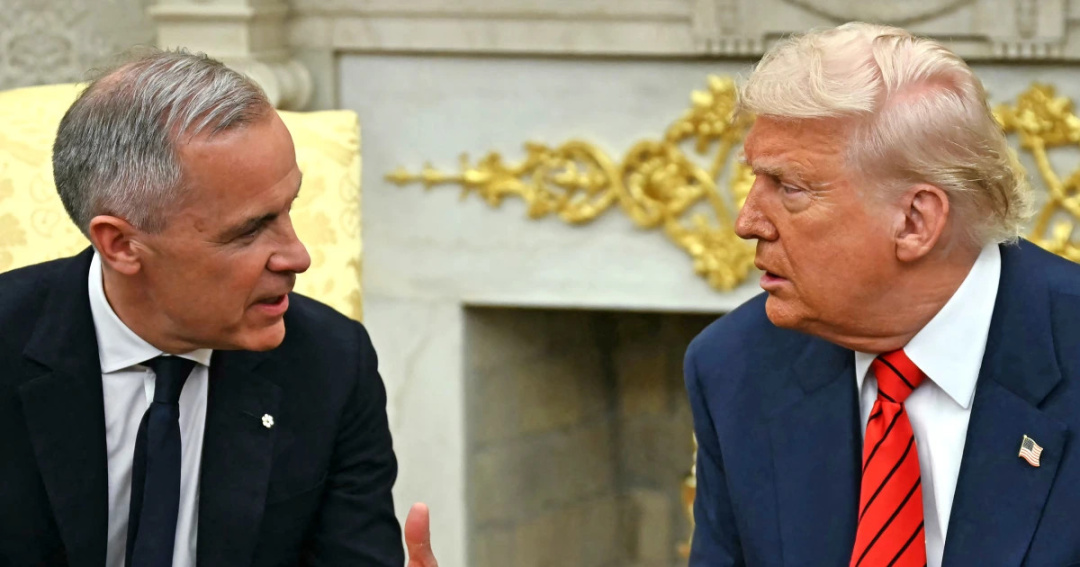
Carney Proposes Trade Deal: A Win for Both Countries, but Only If You Ignore the Tariffs
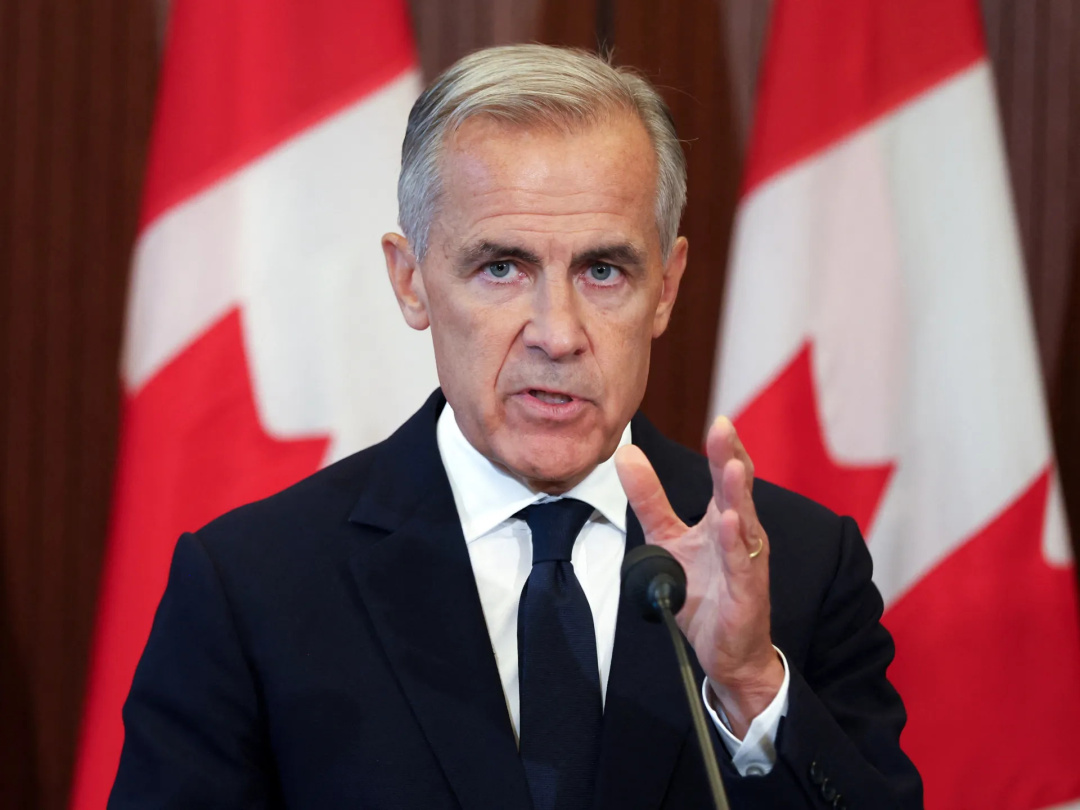
Canadian Prime Minister Mark Carney has boldly asserted that his government is prepared to finalize a trade deal with the United States, provided it benefits both nations. In a statement that could only be delivered with a straight face while standing under a cloud of potential tariffs, Carney claimed that any such agreement must possess "stability and credibility." This almost sounds reassuring, until one remembers the 50 percent tariffs currently levied against $20 billion worth of Canadian goods by the US, followed by Ottawa's impending retaliatory tariffs that will kick in shortly. Who knew diplomacy could come with such a hefty price tag?
Carney's comments were made during a press conference in Thunder Bay, Ontario, where he assured reporters that the trade deal in question is equally beneficial for American families, businesses, and consumers. It’s comforting to hear that the interests of Canadian families and American families are so perfectly aligned, especially when one considers that the US has also threatened to impose a whopping 50 percent tariff on all Canadian cars and car parts by the new year. Nothing says "mutual benefit" quite like a looming threat of economic collapse.
Still Beats Watergate:
Sponsor success. Continue reading:
In a diplomatic twist, Carney pushed back against claims made by US Commerce Secretary Howard Lutnick and Treasury Secretary Scott Bessent, who alleged that Canada had backed out of negotiations because of domestic political pressures. With a tone one might reserve for scolding mischievous children, Carney dismissed their opinions, stating, "I don’t think, with all respect, appointed, unelected cabinet members in the United States are experts on Canadian politics." It’s always refreshing to see a leader stand up for their country’s dignity—while secretly hoping that the adults in the room will find a way to resolve this mess.
Despite the swirling trade tensions, Carney detected a softening in the US's approach to negotiations. He noted a shift from the "our way or the highway" mentality that had previously characterized the discussions. Apparently, this newfound flexibility means the US can now relax its previously stringent demands concerning Canadian language and culture in the trade agreement. It’s a remarkable discovery: one doesn’t have to care about something to keep it in the deal. If only this revelation had come a few weeks earlier, perhaps they could have saved the negotiations from crashing and burning.
Carney's Shift Towards Domestic Production
As Carney articulated his plans to spend 4.7 billion Canadian dollars on domestic rail production—let’s ignore the previous dependency on imports for just a moment—he inadvertently confirmed that the shift is less about trade sovereignty and more about avoiding the economic fallout from ongoing tariff battles. The US has long been Canada's largest trading partner, but with all these tariffs flying around, Carney's administration seems set on reducing that dependence, even as the statistics reveal a diminishing percentage of exports going south of the border.
Carney's Optimism in Tariff Turmoil
Ultimately, one must wonder if Carney's optimistic outlook on a potential trade deal is simply a ruse to distract from the mounting economic pressures created by the very tariffs he seeks to negotiate away. But in Washington, where the arts of political theater reign supreme, it appears that a little misdirection is just par for the course.
In conclusion, the repeated cycle of negotiations, tariffs, and political finger-pointing suggests that real progress may remain elusive. Carney's latest round of comments may play well at home, but the challenges posed by an antagonistic trade partner and the whims of executive decision-making in the United States leave much to be desired. Regardless, his readiness to negotiate might just win him a few points in the court of public opinion, even as he navigates the increasingly treacherous waters of international trade and domestic expectations.