Lutnick Delivers Apology While Reassuring Americans of Bureaucratic Safety
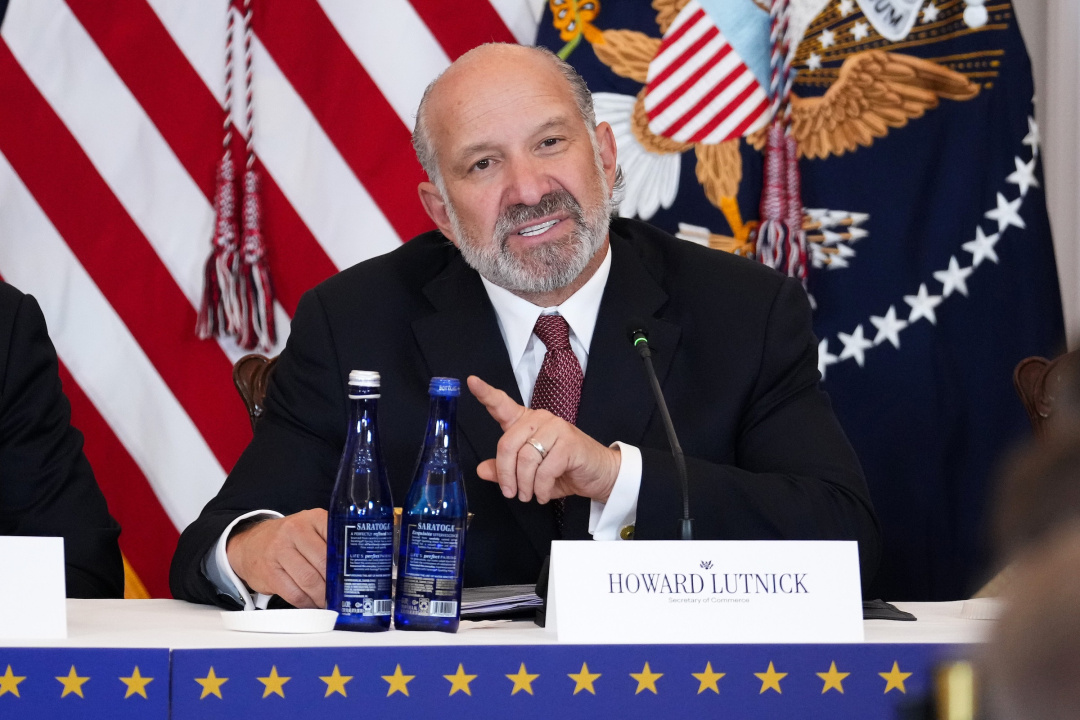
Commerce Secretary Howard Lutnick has bravely stepped forward to clarify a recent controversial statement regarding U.S. military casualties in the Iran War. In a press gathering that many would describe as both unique and riveting, Lutnick stated with absolute certainty that no American service members had perished in the conflict, apparently unaware that his words would soon send shockwaves through diplomatic channels and media outlets alike.
In the aftermath, Lutnick issued a formal apology, where he not only retracted his previous claim but also decided it was the perfect time to reminisce about his own history with national tragedies, saying, "I have navigated the turbulent waters of American history before, particularly on days that are indelibly etched in our minds—like the 9/11 events that affected us all in unimaginable ways." This reflection was received with a mixture of awe and confusion, challenging audiences to consider whether his past experiences truly lend credibility to his current stewardship of the Commerce Department—or whether it merely offered a detour from the issue at hand.
Still Beats Watergate:
Sponsor success. Continue reading:
To restore what is left of public confidence, the Department of Commerce is launching a new initiative dubbed "Crisis Communication Clarity" (C3), aimed at ensuring no future statements about military operations will be made without a thorough vetting process. According to internal sources, this initiative will implement a series of complex approval steps that will require all statements to be cross-checked by at least five departments, including a recently formed Bureau of Reassuring Remarks, which exists solely to verify the accuracy of optimistic statements.
As part of this new protocol, Lutnick has boldly volunteered to lead a task force charged with improving the language surrounding military announcements, which will be known as the “Said What?” compliance committee. Aimed at addressing the poignant concerns of miscommunication in public discourse, the committee promises to develop guidelines that quantify the acceptable levels of optimism regarding U.S. losses abroad, along with a pamphlet outlining appropriate phrases for future use.
Lutnick's Vision for Clear Communication
In a display of unshakeable confidence, Lutnick emphasized the necessity of his department's proactive measures, stating, "We must ensure that any mention of troop safety is meticulously crafted to avoid misunderstandings. Our citizens deserve clarity, even if it comes wrapped in layers of bureaucratic finesse." This statement is already being hailed as a cornerstone of Lutnick's administrative vision, though critics have pointed out that expanding layers of bureaucracy rarely lead to simpler communication.
The fallout from Lutnick's earlier comments continues to unfold, with the Secretary facing inquiries from several oversight committees eager to discuss the efficacy of his newly proposed measures. As the situation develops, one thing remains certain: the American public can expect even more intricate layers of reassurances and updates from the government, all while wondering how officials will navigate the waters of responsibility and reality in the months to come.
Your Takeaway
As Lutnick forges ahead with his ambitious plans, the path to restoring confidence remains riddled with uncertainty. While the Commerce Secretary touts the virtues of his meticulously constructed protocols, skeptics are left to wonder if this is merely a bureaucratic smokescreen designed to obscure deeper flaws within the administration's grasp of military realities. Perhaps the only thing clearer than Lutnick's intentions is that navigating the bureaucratic landscape will continue to be a delicate dance of words, ensuring that every statement can be defended—however convoluted it may become.
The unfolding saga of Secretary Lutnick's rectifications serves as a reminder of the inherent complexities of public communication in government. As officials maneuver through the fog of ambiguous statements and layered protocols, the public is left to question whether the assurance of safety in governmental communication will ever truly overshadow the chaotic reality of military engagements abroad.