Vance Declares Iran Conflict Not a War, Just a Really Long 'Friendly Disagreement'
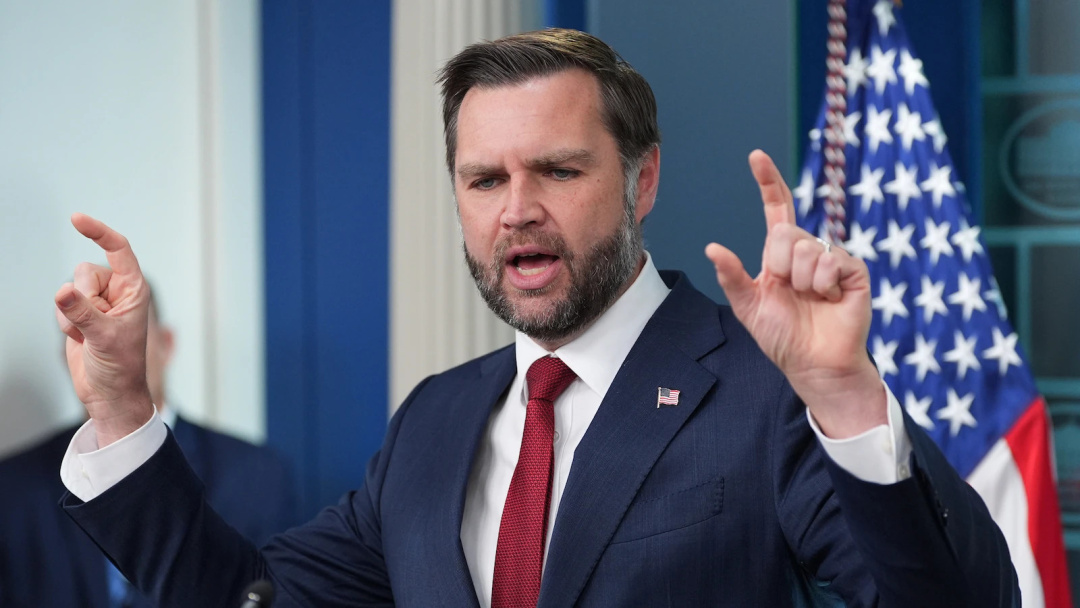
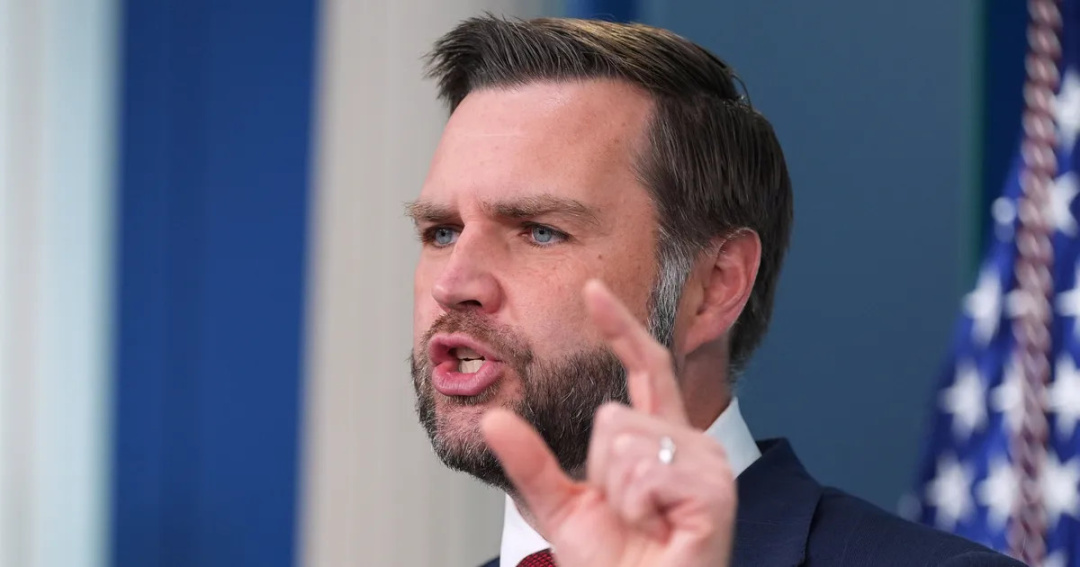
Vice President JD Vance has announced that the ongoing U.S. military engagement with Iran should not be classified as a "war." During a press briefing, Vance elaborated on this groundbreaking redefinition of combat, asserting, "Right now, there is no active shooting," a statement that seemed to overlook the fact that Iran has recently fired on American ally Kuwait in response to U.S. strikes. It appears the administration's strategy is to redefine reality just in time for the midterm elections, ensuring that voters understand that conflict is merely a strong suggestion rather than an actual confrontation.
In his attempt to reshape the narrative, Vance expressed the administration's newfound commitment to avoiding the term "war" as he pointed to the ongoing hostilities. "I wouldn’t call it a war," he stated with all the confidence of someone explaining why they don't need to wear a seatbelt while driving downhill. By categorically denying the existence of a war, the administration can continue to promote the idea that everything is under control—even as gas prices soar and inflation squeezes the average American.
Still Beats Watergate:
Sponsor success. Continue reading:
Vance emphasized the need for discretion by assuring citizens that the U.S. would refrain from establishing any "artificial timelines" for the conflict's resolution. This noncommittal approach is likely a strategy to avoid creating expectations for voters needing to believe that their administration is competent. After all, what’s a few military operations without a clear endpoint? It’s not like voters need to know when they might see relief at the pump or stability in global markets.
Behind the scenes, the administration faces increasing pressure. As oil prices hover dangerously close to $100 per barrel, the White House is left to reassure Americans that the U.S. Navy is maintaining control over the Strait of Hormuz—despite independent reports that marine traffic is still significantly below pre-conflict levels. Claiming victory in a battlefield defined by abstract concepts, rather than real outcomes, is becoming the hallmark of Trump's strategy. Vance's insistence that about 15 million barrels of oil were escorted through the strait recently is met with skepticism as analysts point out these numbers don't reflect the dire reality faced by the industry.
Dodging Accountability in Conflict Responses
As for the Iranian response, Vance mentioned that questions about when the conflict would conclude should be directed at Iran, which seems like a clever way to dodge accountability. After all, if they won’t stop shooting at ships, how can we expect the administration to predict the future? It’s a bit like asking a toddler to explain quantum physics—utterly ridiculous yet somehow fitting into the administration's narrative.
In a world where the term "war" can be bent like a pretzel, officials appear quite confident in their handling of the situation. Secretary Treasury Scott Bessent recently called the Strait of Hormuz a "worthless piece of water"—a bold statement suggesting that the administration believes it can innovate its way out of political strife. It’s a curious take, considering many in the industry would prefer if it remained a valuable artery for oil flow rather than a forgotten puddle.
Your takeaway
As the administration continues to juggle economic sanctions with military threats, it’s clear they are playing a dangerous game of balance. The strategic ambiguity is a hallmark of Trump's approach, creating a scenario where he can simultaneously claim victory while dodging the consequences of escalation. This paradox is reminiscent of a magician who performs a disappearing act with his own credibility—leaving audiences wondering what just happened, all while cheering for more.
In closing, as the midterm elections loom, the administration’s efforts to redefine conflict may just be another example of bureaucratic creativity. If voters buy into this nuanced reality where wars can exist without being wars, then perhaps there’s hope for a future where everything is just a friendly disagreement—with the added benefit of skyrocketing gas prices and inflation as mere side effects of a robust diplomatic strategy.