Justice Department Sued for Termination over Mel Gibson's Gun Rights Favor
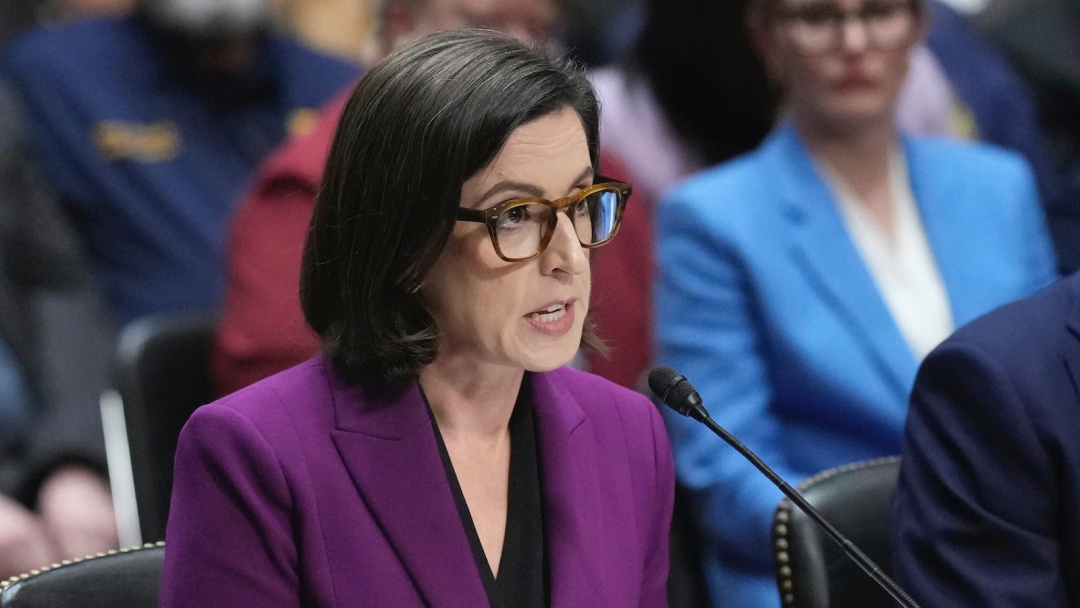
A former Justice Department pardon attorney has stirred up quite a bureaucratic ruckus by filing a lawsuit against her former employer after she was terminated for not playing ball with the whims of celebrity gun ownership. Liz Oyer claims she was unceremoniously shown the door for her refusal to recommend that the Department restore Mel Gibson's gun rights, a request that was apparently spurred by his close ties to powerful political figures. Clearly, upholding public safety has taken a backseat to political favors in this administration.
Oyer's lawsuit details how she was abruptly dismissed mere hours after she voiced her concerns about the implications of reinstating Gibson's gun rights due to his prior domestic violence conviction. In an impressive display of bureaucratic efficiency, she was pulled from a meeting and escorted out of the building by security, emphasizing the lengths to which the Justice Department will go to ensure that no celebrity remains without their guns.
Still Beats Watergate:
Sponsor success. Continue reading:
In a classic move of political theater, the now Attorney General Todd Blanche, during his recent confirmation hearing, denied any knowledge of the situation, asserting that Oyer's termination was unrelated to Gibson. He attributed her firing to various decision-making discrepancies without delving into the curious timing of her dismissal, suggesting that perhaps the administration is more concerned with optics than actual governance.
The Ethics of Loyalty in Governance
As Oyer's lawsuit aims to highlight her alleged wrongful termination, it also brings to light the chilling message being sent to civil servants: loyalty to political figures outweighs loyalty to the rule of law. This case isn’t just about Gibson’s firearm privileges; it’s about the precarious position of public servants who find themselves standing at the crossroads of ethics and pressure from the top. In her own words, Oyer noted that if bureaucrats can be tossed aside for refusing to bend the rules, what does that say about the integrity of our institutions?
Applied to you
Amid the fallout from this case, it seems increasingly clear that the Justice Department may require a comprehensive review of its priorities, particularly regarding the balance between celebrity influence and public safety. Oyer is not only seeking her job back but a declaration that her firing was, in fact, unlawful, shining a light on the broader implications for civil service protections.
In a final twist of bureaucratic absurdity, as Oyer seeks justice, one can almost hear the distant echoes of other public servants who have found themselves in similar predicaments, left questioning whether their commitment to the Constitution is enough to shield them from the political whims of those in power. It might be time for the agency to consider a new motto: "We uphold the law, unless a celebrity asks nicely."