South Korea Launches Operation 'Freedom' in the Hormuz Strait
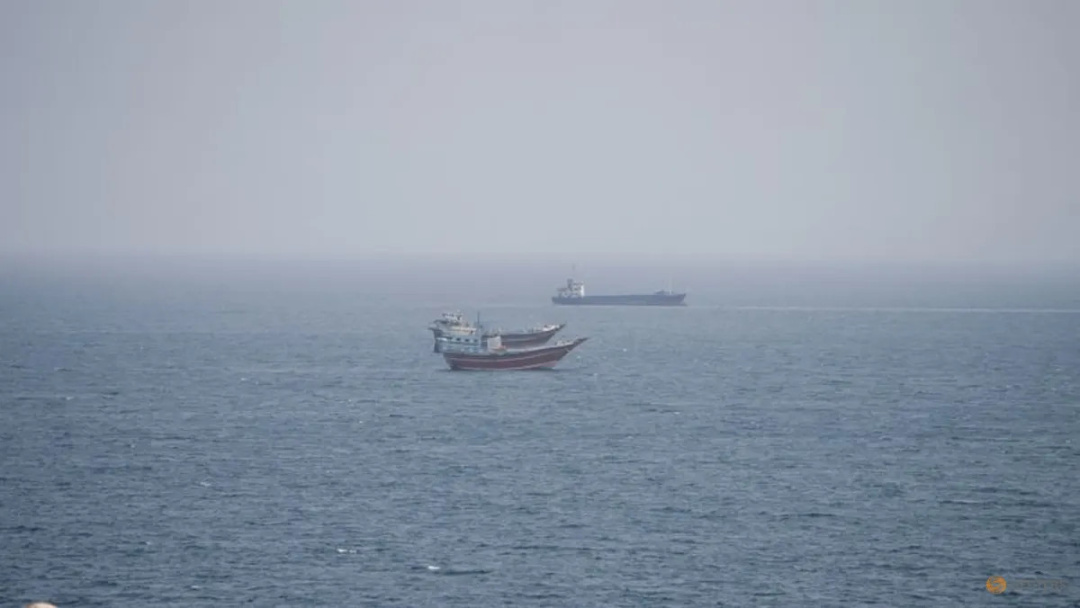
SEOUL: South Korea is set to deploy an impressive array of military assets to support freedom of navigation in the Strait of Hormuz, with plans to send everything from logistical vessels to mine detection units. Dubbed 'Operation Freedom,' the initiative aims to demonstrate South Korea's commitment to maritime security, or at least to look good while attempting it before the year's end.
Officials have reportedly convened several committees to clarify the ambiguous operational objectives, leading to an urgent need for ‘interpretive dance’ sessions to translate military jargon into something resembling action. The newly formed Department of Naval Public Relations has been tasked with crafting inspiring slogans for social media, including the catchy yet perplexing, "Sailing Steady, Navigating Confusion!"
Still Beats Watergate:
Sponsor success. Continue reading:
The deployment strategy includes an array of vessels, from maritime patrol aircraft to support units, leaving naval experts and casual observers alike baffled by the comprehensive list of deployments that somehow lack any mention of actual soldiers. Consequently, the military is also conducting a series of town halls to gauge public opinion on whether anyone actually cares about what happens in the Strait, or if they’d rather discuss the latest K-drama.
As South Korea bravely steps into a larger international role, officials insist that this is merely a logistical exercise, despite the mounting signs of excessive enthusiasm and a suspicious tendency to confuse naval exercises with boat races. In stark contrast to the profound seriousness of the mission, the Ministry of Defense has also released an optimistic statement regarding performance metrics, promising that morale would be at least 100% as they embark on this quest to ensure freedom of navigation, whatever that means.
The sheer audacity of Operation Freedom has spurred a flurry of bureaucratic initiatives, including a mandatory compliance seminar for all military personnel on 'How to Look Busy While Doing Nothing'. In what can only be described as a strategic masterstroke, the South Korean government has also committed to producing a reality show based on the deployment process, tentatively titled "Keeping Up with the Carriers"—a move sure to enhance both transparency and entertainment value.
Explaining the Absurdities of Naval Operations
As the situation develops, the government has ingeniously announced an indefinite postponement of previously scheduled naval drills, suggesting that watching the ships float might just be a more effective diplomatic strategy. This news, of course, comes with the reassurance that any delays will be handled with the utmost bureaucratic efficiency, complete with flowcharts and accountability measures that no one will ever read.
Critics are already lining up to question whether this is a genuine step toward international cooperation or merely a chance for South Korea to flex its naval muscles while trying to avoid any actual confrontations. However, in a bold administrative twist, the Ministry of Defense has assured the public that all operations will be conducted with full respect for international law, which they will define as broadly as necessary depending on the situation.
As South Korea embarks on this maritime adventure, the world watches with bated breath, waiting to see if the 'Freedom' fleet will indeed sail smoothly or merely engage in a series of comedic bureaucratic failings that lead to international maritime slapstick. Either way, one thing is clear: the Strait of Hormuz will never be the same again, as long as South Korea maintains its daring commitment to sending vessels that could have easily been replaced with a good old-fashioned fishing boat for all the impact they are likely to have.
Your Takeaway
In conclusion, if nothing else, South Korea's Operation Freedom has revealed that bureaucratic certainty in the face of possibly ludicrous military strategy is indeed alive and well. As they prepare to make waves—both literally and figuratively—let’s hope their humor keeps pace with their naval ambitions.