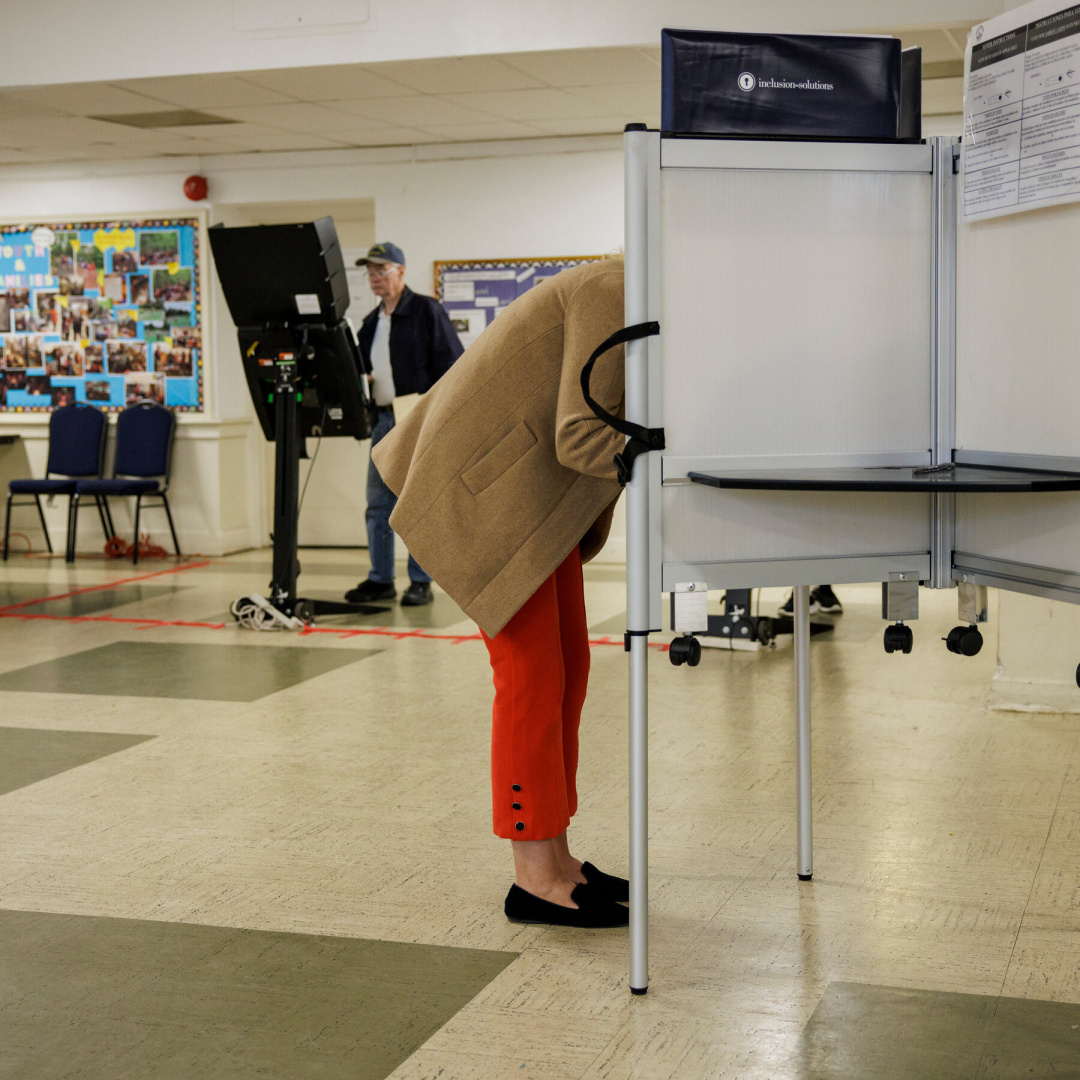
Trump Administration Seeks Supreme Court Approval for Last-Minute Postal Voting Changes
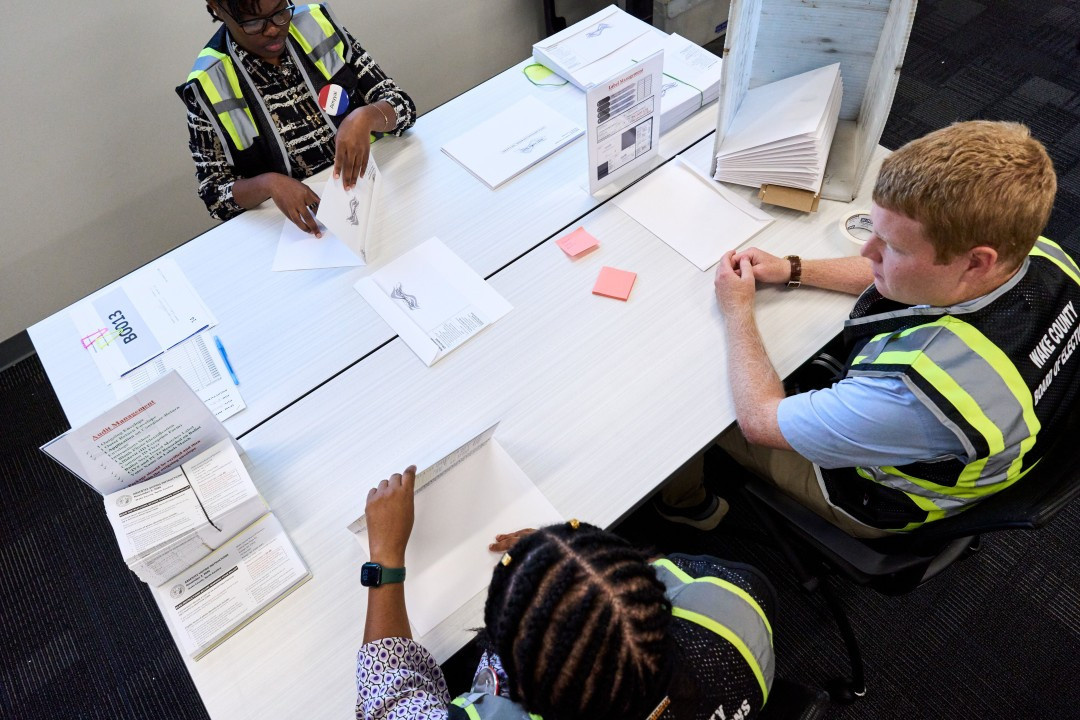
The Trump administration has declared an emergency situation, requesting the Supreme Court to allow the Postal Service to implement a set of new, highly specialized rules for handling mail ballots. Solicitor General D. John Sauer has indicated that an immediate lifting of a lower court's order is essential, as ballots will soon be flowing in from states like North Carolina and Alabama. The urgency, according to officials, is critical because nothing says democracy like a postal system operating under unprecedented new guidelines—especially weeks before an election.
In a move that can only be described as the latest in a series of proactive measures, the administration asserts that the lower court's ruling to pause changes is simply unjustifiable. The administration’s plan features an exciting array of procedural innovations, each promising to enhance the efficiency of the electoral process, regardless of the fact that they have yet to be tested or verified. This commitment to procedural expediency will undoubtedly make postal workers feel like they are navigating a minefield of bureaucratic excellence.
Still Beats Watergate:
Sponsor success. Continue reading:
The core of the administration's strategy appears to be a combination of wishful thinking and robust confidence in the ability of its new mailing procedures to handle the barrage of ballots without a hitch. They argue that the risks of the current system, which they label as antiquated and ineffective, necessitate a leap of faith into this brave new world of postal voting regulations that could change the very fabric of electoral integrity—if only in theory.
To further illustrate their commitment to timely voting, the administration conveniently overlooks the glaring reality that their very proposals could lead to confusion and delays. Officials are looking to implement metrics designed to measure the success of these new rules, which may include a carefully curated selection of subjective assessments, such as how many voters reported feeling confident about their ballots after mailing them. This benchmark, coined "Voter Confidence Metric," will be a shining example of how well the administration can spin a good story from the chaos.
Task Force for Electoral Oversight Established
As part of this effort, they are also forming an elite task force, presumably made up of individuals who know a thing or two about navigating unchartered bureaucratic waters. They will be charged with overseeing the rollout of these rules, all while trying to maintain a semblance of organization amidst the impending electoral storm. This task force, tentatively named the Committee for the Optimization of Electoral Procedure, is set to hold regular meetings—most of which will likely involve fervently discussing the endless paper trails that accompany the new rules.
In what may be a surprising twist, lawmakers from both parties have begun preparing for the inevitable fallout of this last-minute rule change. Reports indicate that bipartisan efforts are underway to create a rapid response team to handle any voter confusion that might arise as a result of the implementation of the new rules. This echoes the administration's confidence that all will proceed smoothly, despite their own contradictory rhetoric.
An Unlikely Calm Before the Storm
The administration's emphasis on how crucial it is that the Postal Service rolls out these changes before the midterms paints a vivid picture of their approach: implement and assure the public all is well, even as they navigate untested waters. With the changes poised to spark outrage and confusion, it begs the question of whether they truly believe these last-minute maneuvers will be enough to quell any voter unrest or accusations of disenfranchisement.
As the November election looms closer, the stakes are high, and the trumped-up rhetoric surrounding these postal changes reveals a deeper irony: the very rules intended to streamline the voting process may very well become the basis for the next round of political theater. Just as the administration prepares to defend its approach, it can rest assured that the chaos, confusion, and comedy of errors will provide ample material for future political discourse, ensuring that no crisis goes unexploited.