Vance Reaffirms Carlson Connection, Prioritizes Friendship Over National Security
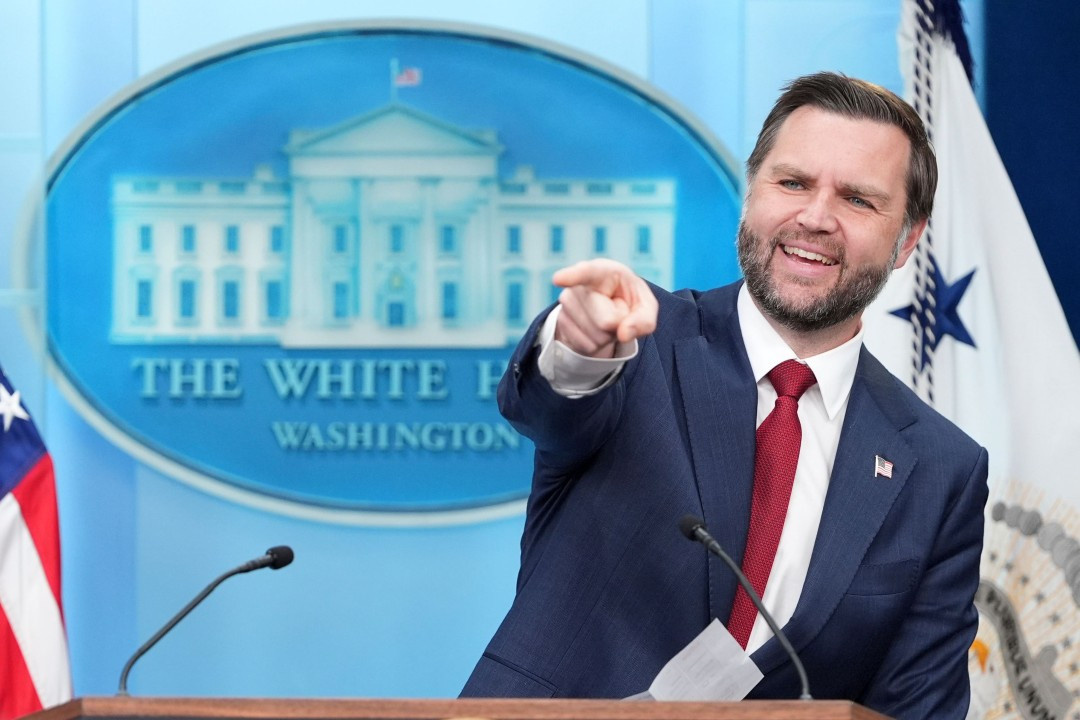
Vice President JD Vance, speaking during the White House's heralded first press briefing in an astonishing 42 days, made headlines for his unyielding defense of personal loyalty. When grilled about his friendship with Tucker Carlson—a relationship that has sparked heated debates over ethics and national security—Vance was clear: he will not cut ties, even as Carlson questions the sanity of the nation's leadership.
In an audacious move, Vance delineated a firm boundary between personal relationships and policy decisions, declaring that the two realms operate in completely separate universes. This philosophical gem came just as Carlson suggested that anyone contemplating a nuclear strike—an eyebrow-raising policy discussion—should be removed from office immediately. Vance's eloquent response seemed to signal that friendship trumps all, particularly when it involves a fellow media mogul known for stirring the pot with his controversial opinions.
Still Beats Watergate:
Sponsor success. Continue reading:
To further underscore the administration's commitment to maintaining such relationships, Vance introduced a new initiative: the Office of Personal Loyalty Metrics (OPLM). This department aims to quantify the value of public officials' friendships, assigning each a numerical score based on perceived loyalty levels. The details are still murky, but insiders suggest that allies may receive a ‘Friendship Index’ to help them navigate future policy discussions without fear of being left behind.
New Legislation on Friendship Compliance
In an unexpected twist, Vance also proposed a new regulatory framework titled the Personal Relations Accountability Act (PRAA). This legislation, which is somehow designed to ensure that no public official feels pressured to sever ties with friends who might sometimes say outlandish things, is sure to lead to a bureaucratic labyrinth of compliance reports. The act promises to include a ‘Friendship Compliance Checklist’ for every White House staffer, ensuring that perceived loyalty is documented and celebrated in a timely manner.
Your takeaway
As the briefing came to an end, Vance concluded with a commitment to transparency: all loyalty scores will be made publicly accessible, allowing citizens to see which officials are most committed to their friendships over their duties. The White House anticipates significant backlash from watchdog groups, but with the establishment of the OPLM, they are optimistic that such concerns can be promptly filed away under ‘not our problem.’
In a stroke of irony, while the administration aims to clarify its positions and bolster public trust, it seems clear that ensuring friendships remain intact will be the top priority moving forward. The final outcome of this initiative will undoubtedly shape the perception of accountability in government as Vance continues to navigate the complexities of friendship against the backdrop of national duty.