Trump Designs New Monuments to Himself in Washington's Landscape
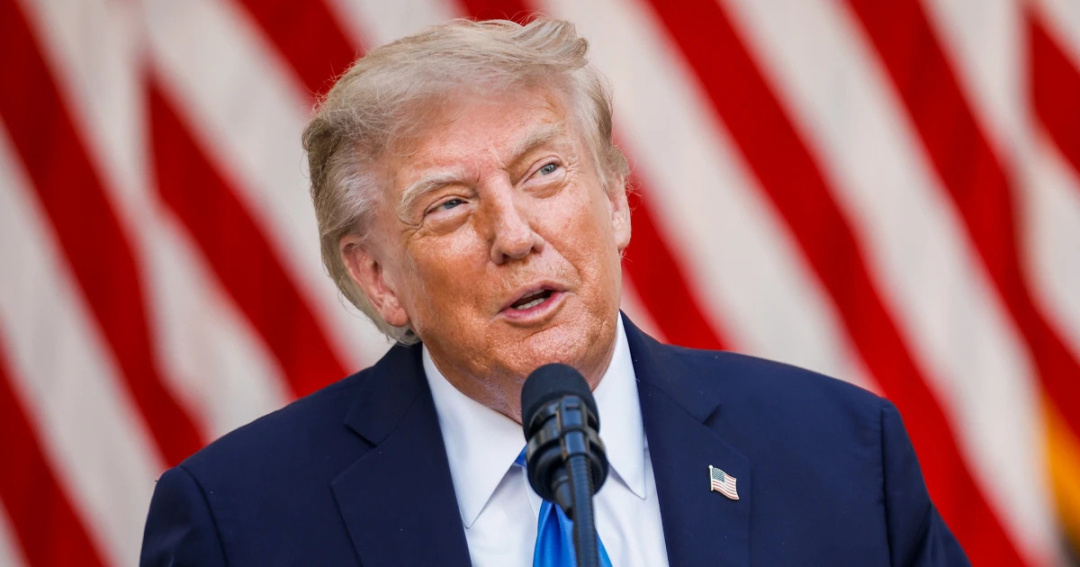
President Trump has boldly declared himself a builder, and his latest projects in Washington, D.C., are a testament to this grandiose self-image. Among these initiatives is the newly constructed helipad on the South Lawn, which he recently showcased to schoolchildren, signaling his commitment to turning the White House into a real estate development site. If that wasn't enough, Trump has also proposed an extravagant triumphal arch that promises to eclipse even the Lincoln Memorial, reinforcing his vision of a capital that pays homage to his legacy.
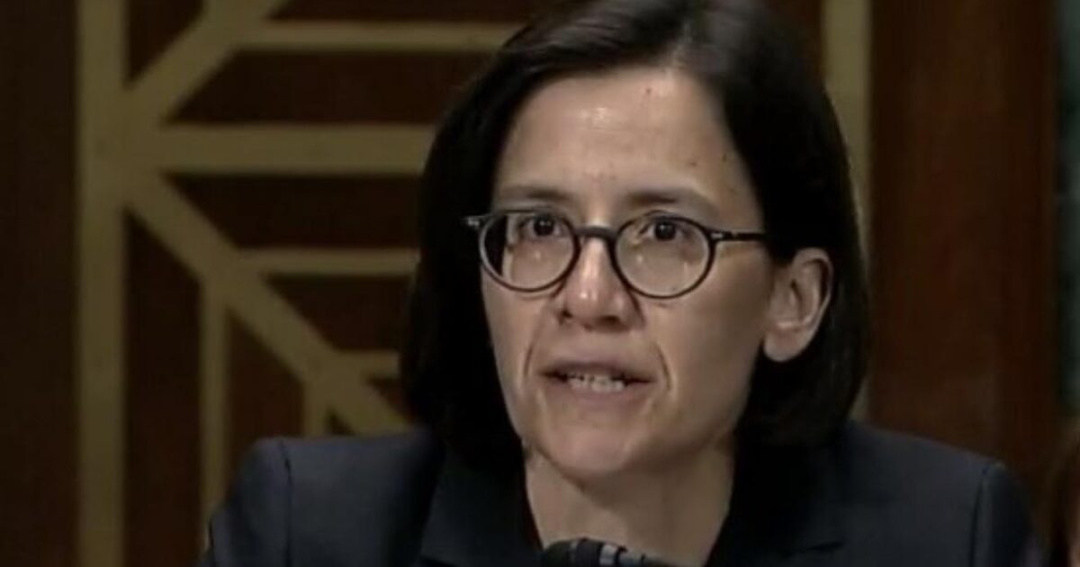
In an administrative move that has left preservationists reeling, a federal judge has approved plans to replace a popular public golf course with what Trump's administration has dubbed a "world-class championship course." This development comes at the cost of chopping down 150 trees, including revered Japanese cherry trees, which are now deemed "invasive" by the Justice Department. Judge Ana Reyes remarked on the irony of this decision, questioning if the nation truly needed to engage in another cherry tree fiasco, nearly 250 years after the original George Washington tale.
Still Beats Watergate:
Sponsor success. Continue reading:
Trump's influence stretches far beyond landscaping; his image is now plastered across government buildings, including the independent Department of Justice, which has never shied away from political branding. The administration even managed to get his face on a special $1 coin commemorating the nation's 250th birthday, proving once again that for Trump, every opportunity is ripe for a promotional campaign. Adding to this branding bonanza, Trump's name was recently added to the U.S. Institute of Peace, just before a court challenge sought to overturn his takeover.
In a classic case of political theater, discussions are underway regarding renaming the USS Doris Miller aircraft carrier after Trump—a move that breaks with tradition, as military vessels are typically not named for sitting presidents. This has sparked outrage among those who remember Miller's heroism during Pearl Harbor, contrasting sharply with Trump's recent antics. Meanwhile, Mar-a-Lago's local airport has also joined the list of Trump-branded locations, solidifying his foothold in Palm Beach.
Campaign Strategies Amidst Controversial Branding
As the midterms approach, Trump's Cabinet members are hitting the campaign trail to amplify his message, with one member, Defense Secretary Pete Hegseth, making waves due to his partisan appearances. Critics argue that such actions undermine the impartiality expected from Cabinet officials, yet the Pentagon insists he is acting in his "personal capacity." A Trump adviser noted that Hegseth's popularity among the base is unparalleled, reinforcing the notion that political loyalty is the new currency.
While the White House faces numerous legal challenges regarding its branding initiatives, it remains unfazed, intent on pushing forward with plans for more monumental tributes to its chief architect. As some Republicans express concern over whether such distractions are what voters care about most—like affordability—the administration seems determined to keep building its own narrative, one cherry tree at a time.
Your Takeaway
As Trump continues to construct his legacy through real estate machinations, the question remains: how many more landscapes and institutions will bend to his will before the political tides shift? With the midterms looming, Trump's projects could either solidify his base's loyalty or become symbols of an administration out of touch with the electorate's pressing concerns. A triumphal arch may look impressive on paper, but as history shows, the real measure of a president's legacy might just be how well he listens to the people—something that these grandiose developments will inevitably distract from.
As these absurd projects unfold, it is essential to remember that the true political landscape is shifting underfoot, shaped not just by monuments but by the very real concerns of voters who may soon tire of Trump's endless branding exercises. In the end, the structures may remain, but will they resonate with the American public? Only time will tell, but one thing is certain: the only thing more timeless than a cherry tree is the desire to leave a legacy—no matter the cost.