Vance Declares No War with Iran as Bombs Fall and Ships Sink
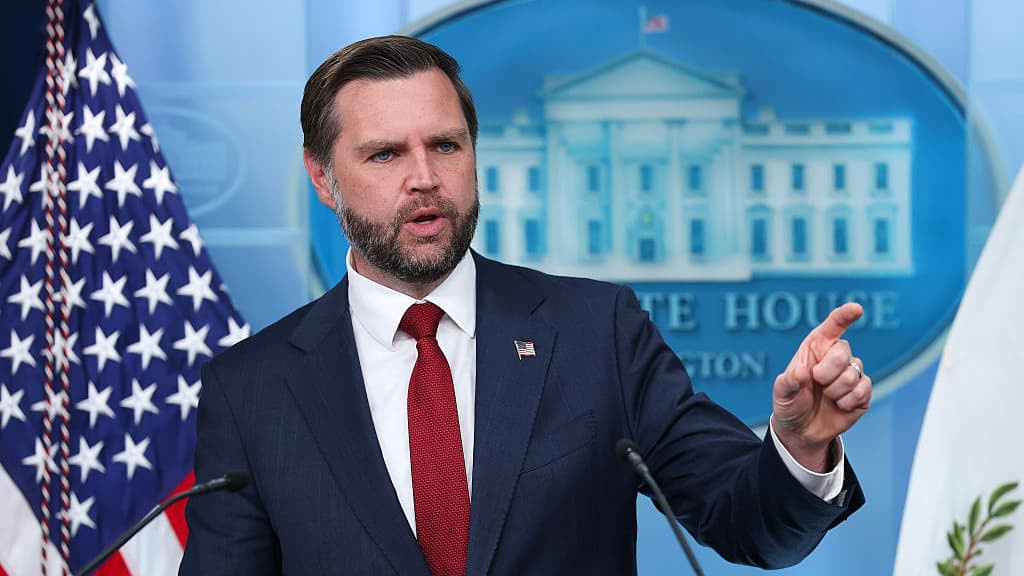
Vice President JD Vance recently held a White House press briefing, the first in over a month, to address the ongoing U.S. actions in Iran. In a remarkable display of bureaucratic gymnastics, Vance confidently asserted, "I wouldn’t call it a war," despite the U.S. conducting airstrikes against Iranian targets and Tehran responding with its own strikes. The administration's strategy appears to stretch the definition of conflict to a point where words lose their meaning, much like Congress loses its ability to assert war powers.
This latest round of hostilities has drawn parallels to previous military operations, with Vance emphasizing that the U.S. is merely engaged in a "limited military operation" rather than a war. As bombs detonate and oil prices surge, the administration seems determined to avoid the dreaded 'w' word, fearing it might trigger the need for Congressional approval—an inconvenient obstacle to President Trump's apparent impulse to flex military muscle.
Still Beats Watergate:
Sponsor success. Continue reading:
The Vice President went on to describe the situation as a “flare-up,” a term that glosses over six months of aggression and destruction. He insisted that major combat operations had ceased long ago, despite evidence to the contrary. His reassurance that "there is no active shooting" might provide comfort to some, though it likely rings hollow for those watching the news.
Vance's comments reflect a broader trend among U.S. leaders. Historically, presidents have avoided the term 'war' when engaging in military actions without formal declarations. It’s a tactic perfected by the likes of Truman, Clinton, and Obama, who deftly maneuvered through the legal ramifications of military engagement. Following this tradition, Trump has also shied away from labeling the conflict as a war, instead calling it a "police action" when it suits his narrative.
Economic Isolation Tactics Intensify
Meanwhile, the administration is ramping up what it calls "Operation Economic Outcast," a strategy that aims to isolate Iran economically while maintaining military pressure. Vance blithely noted that the grip of Iranian forces on the Strait of Hormuz was "effectively gone," a claim that sharply contrasts with shipping data indicating that traffic remains significantly below pre-conflict levels. In this messaging war, the administration projects confidence even as reality paints a different picture.
Affecting you
As the conflict drags on and civilian casualties mount, reports of U.S. strikes mistakenly hitting civilian gatherings have sparked scrutiny. Vance’s response was classic: an investigation is underway, but with a heavy dose of skepticism toward Iranian claims. He asserted that "sometimes things happen," suggesting the military’s mistakes are just part of the learning process—an interesting take on accountability.
In the meantime, the administration continues to balance military and economic strategies while promising to remain vague about timelines. Vance’s final remarks about gas prices and military operations only serve to reinforce the reality that this administration, much like its predecessors, is caught in a web of its own making, spinning narratives to match its actions while the world watches in bemusement.