Kamala Harris's Campaign Support Declared Dangerous by Democrats
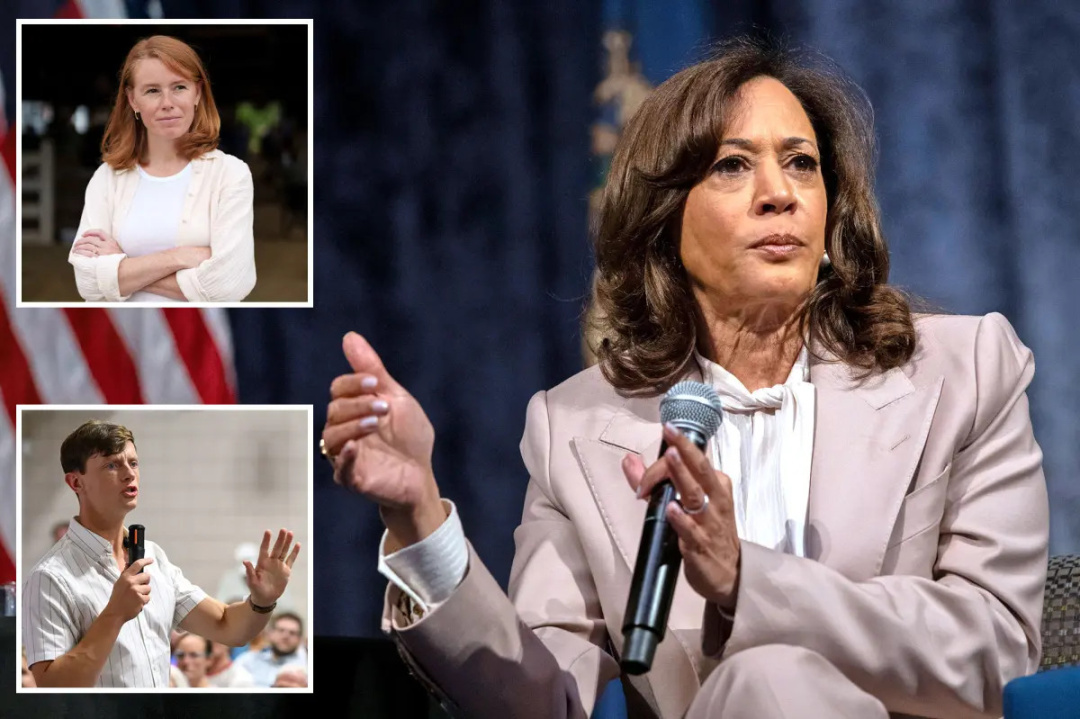
Kamala Harris has taken her talents on the road, popping up across the nation to lend her celebrity to candidates in battleground states. However, in a stunning twist worthy of a reality TV finale, it appears that many Democrats would rather she stay home. Reports indicate her involvement is seen not as a boon but as a potential political curse, leading to a flurry of internal discussions about the best ways to avoid her altogether.
In response to this growing sentiment, the Democratic National Committee (DNC) has reportedly formed a new subcommittee—the Committee for Effective Candidate Engagement (CECE)—tasked with producing detailed flowcharts illustrating how to politely decline an invitation from the former Vice President. These charts, complete with color-coded options and emotional support resources, aim to ensure that candidates can navigate the sensitive terrain of Harris's offers without offending her team.
Still Beats Watergate:
Sponsor success. Continue reading:
Meanwhile, Harris’s handlers are said to be investigating the implementation of an innovative “Supportive Distance” initiative, which proposes a new standard distance for her appearances, allowing candidates to safely distance themselves from the potential fallout. The initiative will outline no less than three strategic layers, including “Emergency Distance Protocols” for when Harris appears at events uninvited, a plan that has already garnered interest from several nervous campaign managers.
As the DNC continues to grapple with the fallout, the trend of snubbing Harris has inspired a wave of grassroots campaigns, including “Harris-Free Zones” where candidates can openly campaign without the looming specter of her endorsements. These zones have become a popular strategy, allowing candidates to declare their independence from the former Vice President's increasingly controversial brand of support.
Harris's Response to Grassroots Movements
In a recent statement, Harris expressed her unwavering belief in the power of grassroots campaigning, adding that she is committed to transforming any negative perceptions into positive engagements. This proactive approach has led to the creation of a new slogan: “Harris is the new hot potato; don’t drop it!” It is uncertain if this will resonate with anxious candidates, but the catchy phrase is being circulated with the hope of building a more favorable narrative.
Applied to you
The upcoming midterms are approaching fast, and the stakes couldn’t be higher. As Democrats scramble to distance themselves from Harris’s increasingly complicated reputation, they are also left with a pressing question: how to capitalize on her celebrity without letting it overshadow their own campaigns? The answer remains elusive, but many are hopeful that the CECE's flowchart will provide guidance on this delicate balancing act.
Ultimately, as the election draws near, the Democratic Party finds itself on a tightrope, carefully weighing the benefits of Harris's appearances against the risks of a backlash. If current trends hold, it seems that the best strategy may be a simple one: political etiquette dictates the best way to engage with Kamala Harris is to engage her not at all.