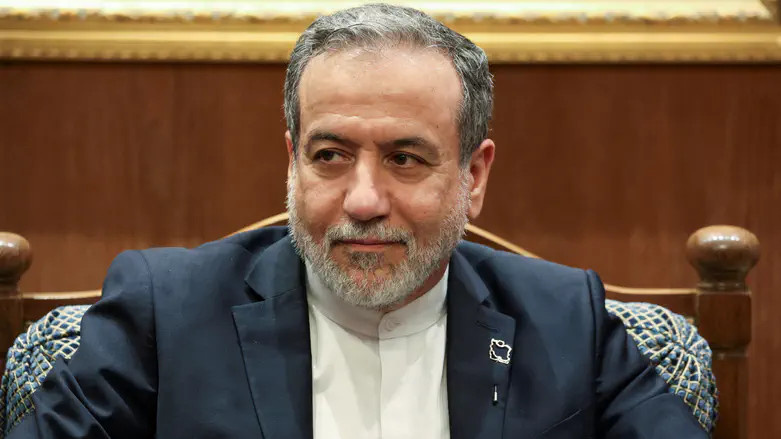
Iran Claims Strikes While Israel Announces Plan to Spark Global Oil Excitement
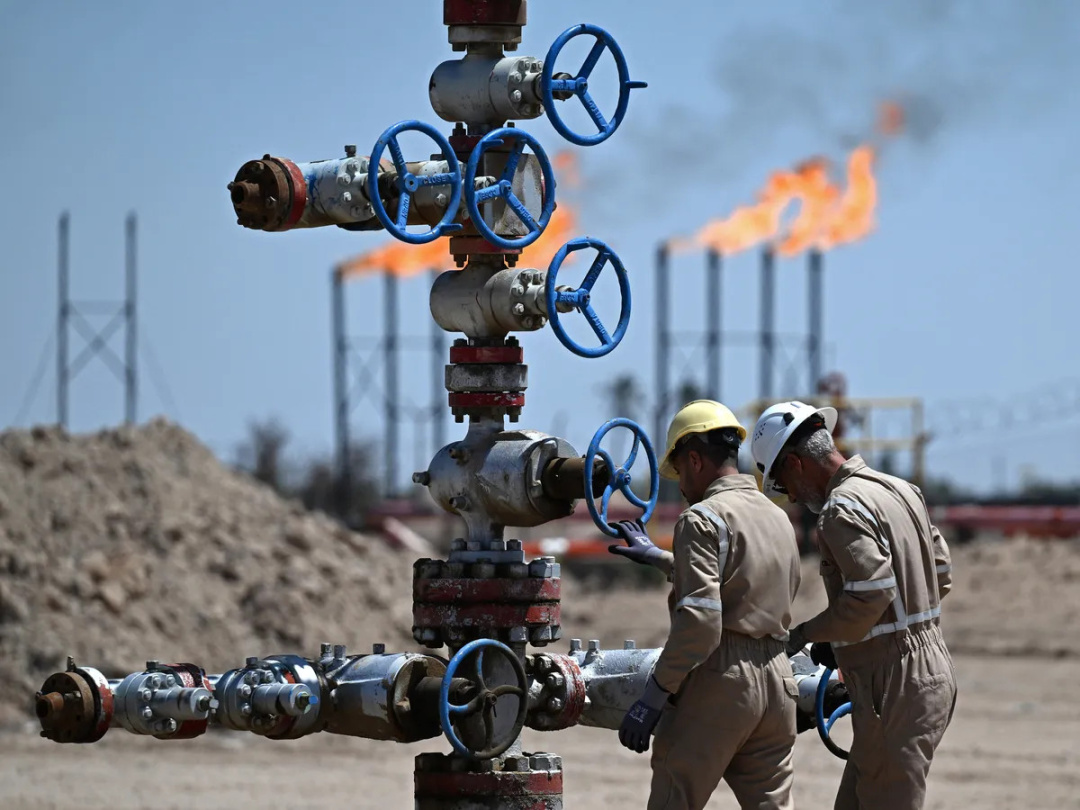
Oil prices have surged upwards as reports surface that Iran is boldly claiming fresh retaliatory strikes, stirring quite the pot in an already simmering geopolitical cauldron. In a display of decisiveness that would make a caffeinated squirrel proud, Israel has hinted at a readiness to intensify its role in the conflict, suggesting that the energy market may soon resemble a roller coaster designed by someone with no sense of safety regulations.
Officials from the Israeli government have launched a comprehensive "Strategic Oil Engagement Initiative," aimed at turning the oil market into a high-stakes game of geopolitical poker. This initiative reportedly includes a new metric dubbed the "Dramatic Spike Index," which assesses how many times global oil prices can soar in response to vague threats before reaching a psychological breaking point among consumers.
Still Beats Watergate:
Sponsor success. Continue reading:
In a related development, Iranian leaders are reported to be updating their oil strategy to include a new classification system for their military actions. This system, known as "Operation Energize," formalizes the procedure for conducting strikes while simultaneously ensuring that crude oil prices remain tantalizingly high. After all, nothing says "unity" like collective concern over rising fuel costs.
Anticipating the Oil Market's Next Move
Meanwhile, the global energy market is bracing for what officials are terming the "Annual Oil Excitement Week," a carefully orchestrated period of heightened anxiety intended to drive speculation and attract investors who enjoy living life dangerously. Industry insiders suggest that rather than managing supply chains, the focus will shift to managing social media sentiment about oil, with influencers expected to play key roles in shaping the narrative.
Your takeaway
As the situation unfolds, energy analysts warn that the combination of these escalating geopolitical tensions and the unpredictable nature of the oil market could lead to unforeseen consequences. In other words, expect oil prices to fluctuate wildly, leaving consumers to ponder whether they're filling up their tanks or playing an elaborate game of economic roulette.
The absurdity of the current situation is not lost on policymakers. They appear to be bravely confronting this chaotic landscape by holding meetings and issuing statements filled with impressive nouns but few actionable verbs. In a final twist of irony, a newly formed task force is expected to explore how bureaucratic measures can mitigate the very crises they helped create, because why not add a touch of farce to an already ridiculous tableau?