Australia Faces Increased Nuclear Threat Thanks to AUKUS Pact, Officials Announce
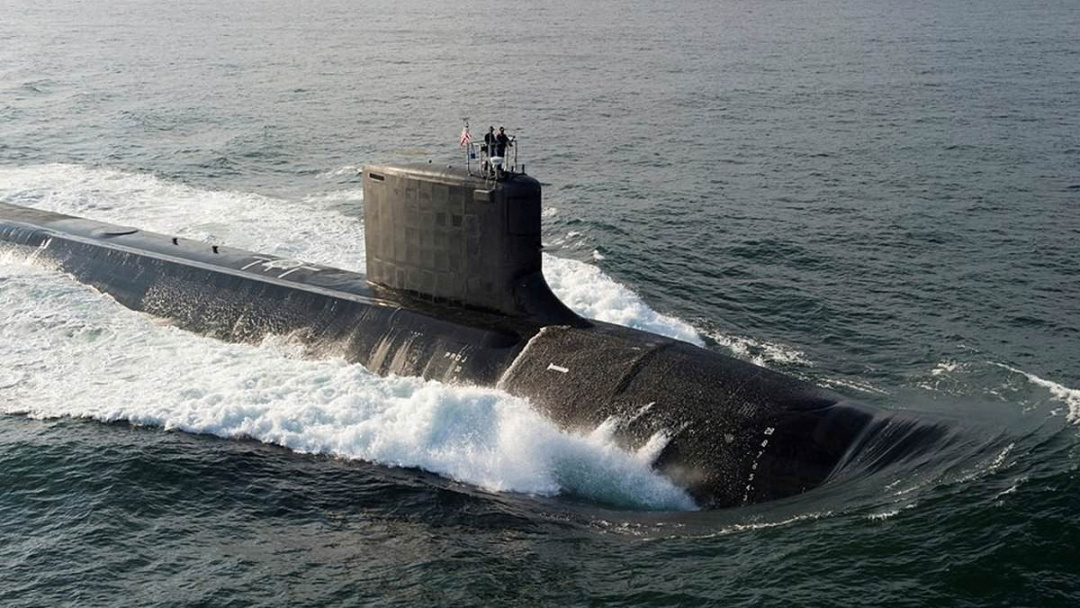
Australia is now officially at a greater risk of nuclear attack due to the AUKUS defense pact, according to a team of military experts who have bravely ventured to state the obvious. The pact, which was designed to enhance security through increased military collaboration with the United States and the United Kingdom, appears to have inadvertently transformed Australia into a nuclear bullseye, or so the experts confidently assert. This development comes on the heels of a critical meeting between Defense Minister Richard Marles and U.S. Secretary of War Pete Hegseth, whose mutual nods of agreement clearly signaled alignment on existential concerns.
In a bold move to clarify their stance, government officials have issued a statement declaring that while the threat of nuclear calamity may be heightened, the situation is entirely manageable, assuming everyone adheres to the new guidelines for maintaining a calm demeanor in the face of imminent disaster. Furthermore, officials are reportedly considering the establishment of a new task force dedicated to mitigating panic while simultaneously preparing for the nuclear fallout of potential conflicts. This task force will be supported by a committee of experts who will undoubtedly be tasked with brainstorming creative solutions to existential threats—preferably involving lots of PowerPoint presentations.
Still Beats Watergate:
Sponsor success. Continue reading:
The committee will also work on a newly developed metric called the National Nuclear Risk Quotient (NNRQ), designed to monitor the probability of nuclear incidents in relation to the number of global alarms triggered by government officials. Ironically, the more alarms sounded, the lower the NNRQ is expected to be, fostering a curious blend of optimism and dread that has become the hallmark of contemporary defense strategies.
In light of these revelations, some analysts suggest that Australia might consider a new approach to its diplomatic relations with China, pivoting from confrontation to a strategy they’ve humorously dubbed "strategic ambiguity with a side of nuclear preparedness." This strategy aims to confuse potential aggressors while ensuring that the public remains blissfully unaware of the impending doom that could result from heightened tensions.
As discussions around the AUKUS pact continue, officials have also recommended that all Australians adopt a mindset of proactive resignation, emphasizing that while the nuclear threat may be real, the government's commitment to shrugging off the consequences is even more resolute. In a final flourish of bureaucratic certainty, a new slogan has been proposed: "Embrace the Future—Even if it Glows!" While this catchy phrase is still subject to approval, it undoubtedly captures the essence of the government’s approach moving forward.
Navigating Complexities in Defense Policy
With the AUKUS pact firmly in place, officials are also establishing a dedicated bureaucratic arm—dubbed the Office of Nuclear Optimism—charged with the dual mandate of fostering positive sentiment while concurrently reinforcing the military's nuclear capabilities. The office's primary function will be to generate reports underscoring the benefits of stability and peace achieved through a well-stocked nuclear arsenal.
As the political theater unfolds, it remains to be seen how this new wave of strategic positioning will play out on the global stage. What is clear is that Australia is preparing for a future where the stakes are higher than ever, and the government is committed to ensuring that nuclear threats are viewed not just as risks, but as opportunities for national unity—preferably around cozy bonfires of bureaucratic jargon and international alliances.
Your Takeaway
In conclusion, while the AUKUS pact may indeed put Australia at greater risk of nuclear confrontation, it simultaneously opens new avenues for political theater and bureaucratic gymnastics that could redefine the narrative around national security. Expect to see more strategic initiatives that prioritize public relations over tangible safety as officials scramble to balance the scales of reality against the absurdity of their own creating. In the grand scheme of international relations, perhaps it's not just about securing peace but also about ensuring that the bureaucracy remains as lively as the threats it aims to mitigate.