Trump's Army Secretary Search Reveals a Revolutionary New Bureaucratic Hierarchy
The Trump administration has initiated an unprecedented search for the next Secretary of the Army following Dan Driscoll’s resignation, prompting a flurry of internal recommendations that could reshape the U.S. military's leadership landscape. In an unexpected twist, the leadership hunt is less about qualifications and more about who can juggle the contradictions of the Pentagon’s evolving narrative while maintaining perfect loyalty to the administration.
With Driscoll's departure, it has become imperative for the White House to fill the vacancy with someone who can navigate the labyrinthine bureaucracy while ensuring that orders from the top do not fall flat on their faces. The frontrunner, Sean Parnell, is reportedly viewed by many within the Office of the Secretary of War as the ideal candidate. His experience as chief spokesman has left him uniquely positioned to transform military leadership into a performance art, where every speech reads like a carefully choreographed routine designed to distract from ongoing issues.
Still Beats Watergate:
Sponsor success. Continue reading:
Parnell’s past as a U.S. Army captain is a mere footnote within the context of his media-savvy persona, and his critics are quick to point out that he also comes with a side of baggage related to allegations of domestic abuse. However, in the current political climate, that seems to be but a small hurdle compared to his demonstrated ability to spin narratives and deflect criticism, especially in the wake of military readiness concerns that Driscoll allegedly clashed with Secretary of War Pete Hegseth over.
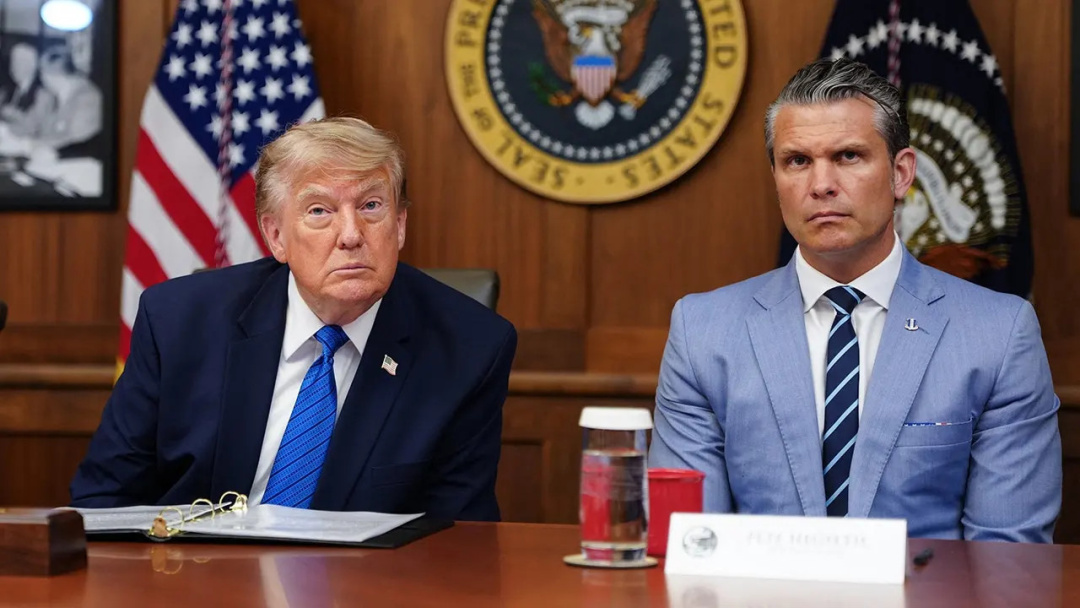
As Parnell prepares to potentially step into this critical role, Hegseth’s leadership style has already set the stage for a military that prioritizes loyalty to the president over battlefield preparedness. The Pentagon may soon find itself not just in a warzone but in a bureaucratic talent show where loyalty is celebrated, and dissent is quietly sidelined. Veterans within the agency have expressed a desire for leadership that embraces transparency and accountability, yet bureaucratic restructurings seem destined to prioritize image management over substance.
In the backdrop of these potential shifts, Florida Rep. Brian Mast has emerged as another candidate. His tenure in Congress and service in the Army may provide the veneer of experience, but the real question remains whether he can navigate the rising tide of political theatrics that often clouds military operations. The administration seems to believe that replacing one figurehead with another will magically resolve the challenges of a military grappling with its identity and purpose amid an ever-shifting geopolitical landscape.
As the administration continues to tighten its grip on military appointments, the implications of these choices are bound to ripple through the ranks. The Army Staff may soon be forced to align its strategies not just with defense objectives, but with the whims of a leadership that prioritizes compliance over competence. Driscoll’s clashes with Hegseth may soon be overshadowed by a new kind of conflict—one where the true battles are fought within the walls of the Pentagon.
The Future of Military Leadership Under Trump
In a climate where every decision seems to hinge on loyalty rather than leadership capabilities, the next Army Secretary will have to juggle the expectations of the White House with the realities of military readiness—an impossible task if there ever was one. The stakes are high, and as the Pentagon gears up for another transition, the absurdity of the situation is not lost on those who see the potential candidates as mere puppets in a grand political theater. Expect the new Secretary to lead with a flourish, ensuring that the only thing that truly transforms is the public image of the U.S. military, while the real issues continue to fester beneath the surface.
As the Trump administration hones in on its next choice, one thing remains clear: the next Secretary of the Army will need to master the art of political survival in a world where competence takes a back seat to theater.
A New Era of Absurdity Awaits
As the search for the new Army Secretary unfolds, both Parnell and Mast represent a shift toward a leadership that melds political necessity with bureaucratic absurdity. The administration will undoubtedly continue to push for a narrative of unity and strength, promising the American people that the military remains at its peak readiness while ignoring the underlying chaos. In this curious evolution, one must wonder how long it will be before the Pentagon becomes a mere backdrop for political theater rather than a bastion of military might.