Nigeria Celebrates US Troop Withdrawal by Adding New Bureaucratic Layers
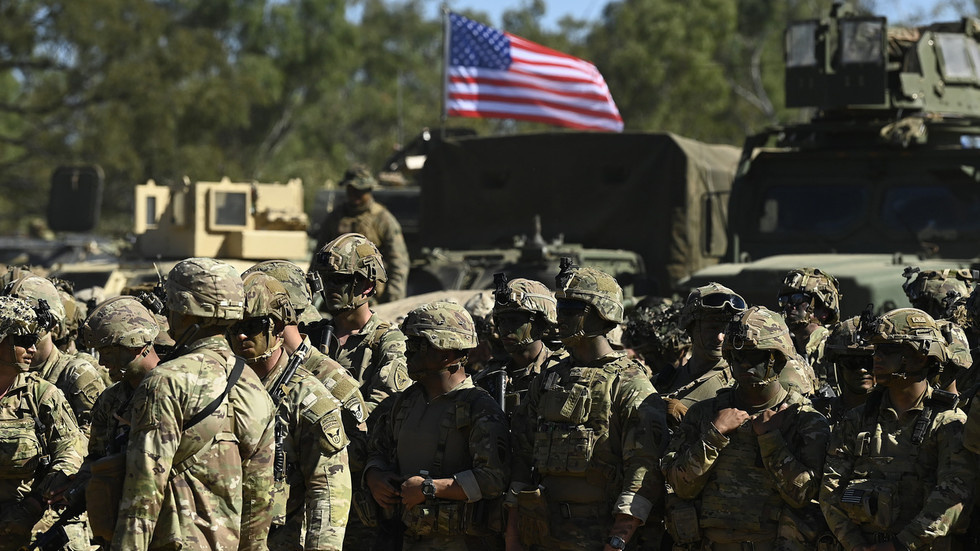
Nigeria's military is rolling out a new initiative to celebrate the withdrawal of approximately 200 US troops, claiming that the deployment served its purpose of introducing a new level of bureaucratic oversight. As the last troops prepare to leave by late September, officials are enthusiastically outlining a comprehensive set of regulations to ensure that all future military engagements will be conducted with maximum inefficiency and paperwork, much to the delight of the nation’s burgeoning bureaucracy.
Major General Samaila Uba, the spokesperson for the Nigerian military, announced that while most troops are leaving, a smaller advisory and intelligence team will remain. This team is expected to oversee the implementation of the new compliance protocols, which include a mandatory 150-page report for every minor engagement involving foreign personnel. This initiative is being hailed as a potential blueprint for future troop deployments, ensuring that no future military operations will ever proceed without the proper forms submitted in triplicate.
Still Beats Watergate:
Sponsor success. Continue reading:
In a stunning twist to the ongoing security crisis, the US has also committed to maintaining a fleet of MQ-9 Reaper drones stationed at Bauchi Airfield. However, these drones are now required to file a daily flight plan with a new inter-agency committee tasked solely with assessing the feasibility of drone strikes against unnamed threats. The committee’s first report, expected to be released next fiscal year, will likely conclude that threats to the Nigerian populace are best addressed by increased paperwork rather than action.
While the withdrawal is framed as a successful operational pivot, critics within Nigeria are already raising concerns. Samuel Memeh, chairman of the Democratic Leadership Alliance, articulated skepticism about the effectiveness of foreign military presence in improving security. In a moment of clarity, he noted that paperwork alone does not stop bullets, an observation that might have surprised the bureaucratic masterminds behind the new initiative.
Escalating Violence Amidst Bureaucratic Expansion
Adding to the disarray, Nigeria continues to grapple with a myriad of armed groups and rising violence, including a recent attack where gunmen killed dozens and abducted hundreds in Niger State. In light of these events, the Nigerian government has swiftly responded by doubling down on its commitment to developing a comprehensive bureaucracy instead of addressing the actual violence plaguing its citizens.
Your takeaway
In a final stroke of administrative genius, Nigeria’s Defense Headquarters has announced that any future military cooperation will be contingent upon a new set of performance metrics, which will require both Nigerian and US personnel to engage in a series of mandatory training and compliance workshops. These workshops are designed to ensure that all involved parties have a thorough understanding of the complex and often contradictory regulations governing military engagements.
Despite the withdrawal of US troops, the Nigerian government's commitment to developing layers of bureaucracy appears unwavering. As it stands, the new initiative will likely create so many bureaucratic barriers that it will take years to determine if any military action can be effectively undertaken in the future. So, while the troops may be leaving, the paperwork will undoubtedly remain as an ever-present reminder of Nigeria's strategic commitment to inefficiency in the face of real threats.