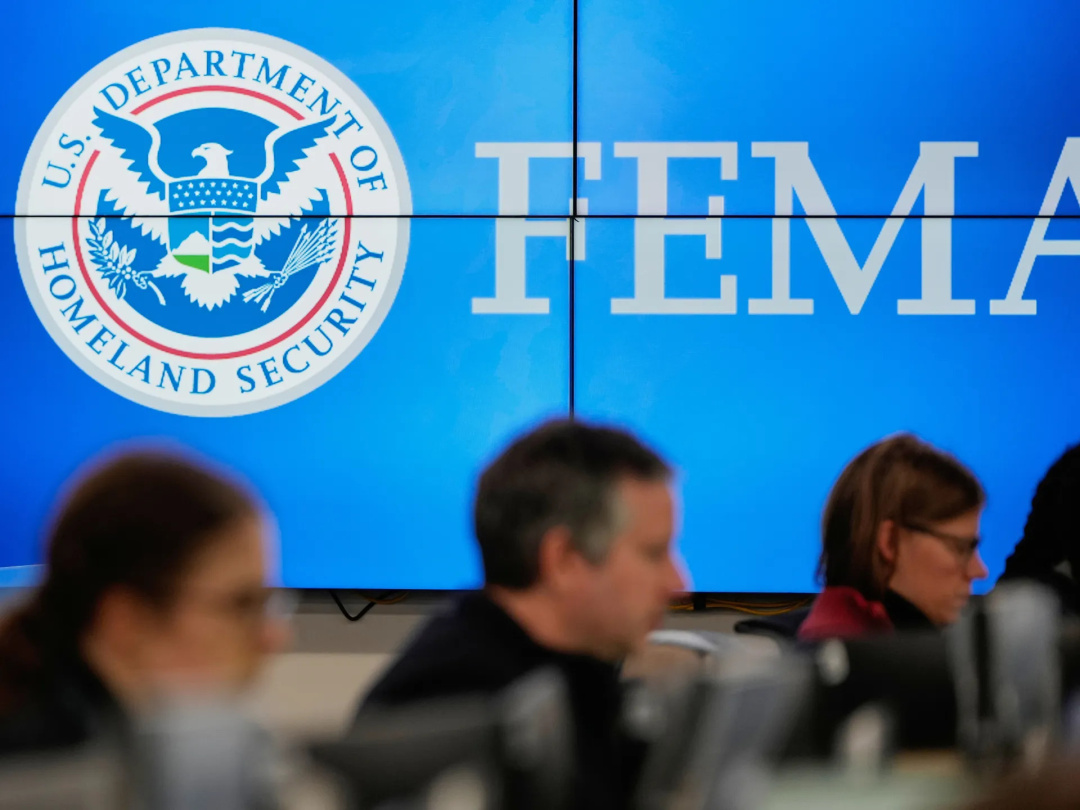
Trump Administration's FEMA Reversal: Agency Now Exempt from Elimination Plans
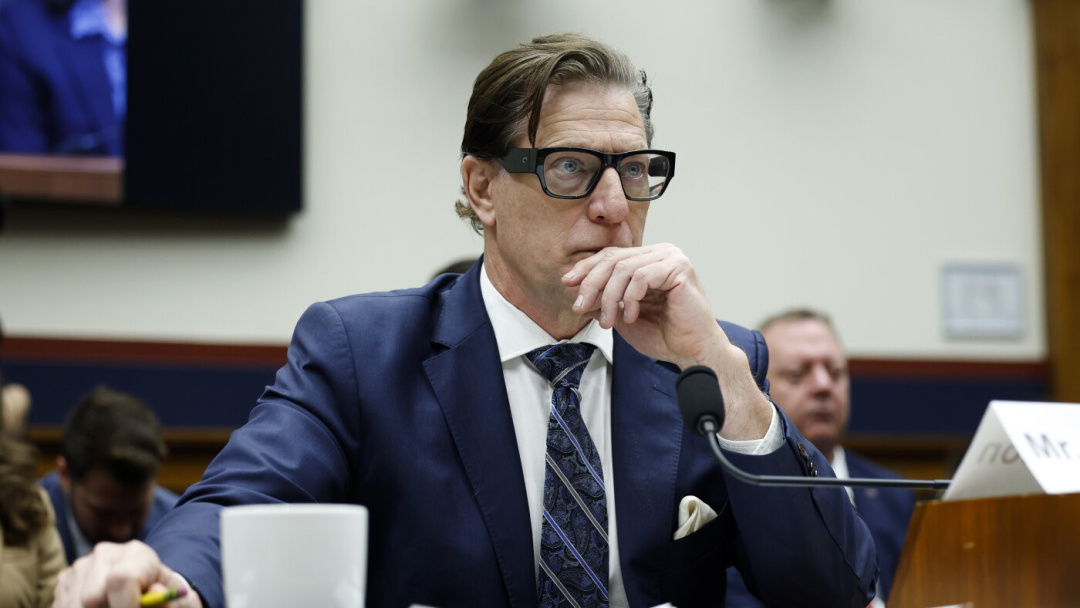
The Federal Emergency Management Agency has emerged unscathed from the Trump administration's proposed elimination list, according to David Richardson, who previously led the agency in its darkest hour. Once a prime target for budget cuts and disdain, FEMA now enjoys a surprising resurgence as officials scramble to clarify their position on disaster management, which was once treated as an inconvenient detail in the grand theater of governance.
In a show of bureaucratic confidence, the administration has pivoted in a manner that would make a seasoned politician blush. While previously branding FEMA as a bloated relic of government waste, officials have now embraced its existence as essential for navigating the complex labyrinth of flood, wildfire, and hurricane seasons. Apparently, the shift came after a series of unfortunate events, such as natural disasters that unfailingly reminded everyone that perhaps having a disaster response agency is a good idea.
Still Beats Watergate:
Sponsor success. Continue reading:
Internal memos indicate that the administration has devised the “FEMA Optimization Initiative” — a groundbreaking program that aims to utilize FEMA’s resources without actually utilizing FEMA. Under this initiative, officials will hold regular meetings where they will enthusiastically discuss the importance of disaster preparedness, while simultaneously instituting a policy that de-emphasizes actual readiness. Reports suggest that performance metrics will now include how many bureaucratic layers can be added before any response is required, ensuring that all bases are covered, just not in the way anyone expects.
Rebranding FEMA for Public Perception
As the White House continues to paint this shift as a significant victory, aides have been quick to roll out a new campaign: “FEMA: Now Less of a Fiasco.” The messaging around this rebranding effort is expected to boost the agency’s public image, even as it silently disappears into the background of government operations, only to resurface when disaster strikes — quite literally.
Affecting you
With this newfound love for FEMA firmly established, officials are reportedly working on guidelines that will classify various disaster scenarios based on how much attention they warrant. For instance, a Category 5 hurricane may warrant a full press briefing, while a mild thunderstorm might only qualify for an internal email chain.
In closing, as the administration attempts to steer away from its previous anti-FEMA sentiment, it remains to be seen whether this will translate into effective disaster response or simply more paperwork. Perhaps in the end, the real disaster was the administration’s understanding of what FEMA actually does. Stay tuned as they figure out just how to manage an agency they once tried to eliminate.