Data Centers Surge as Public Outcry Meets Bureaucratic Indifference
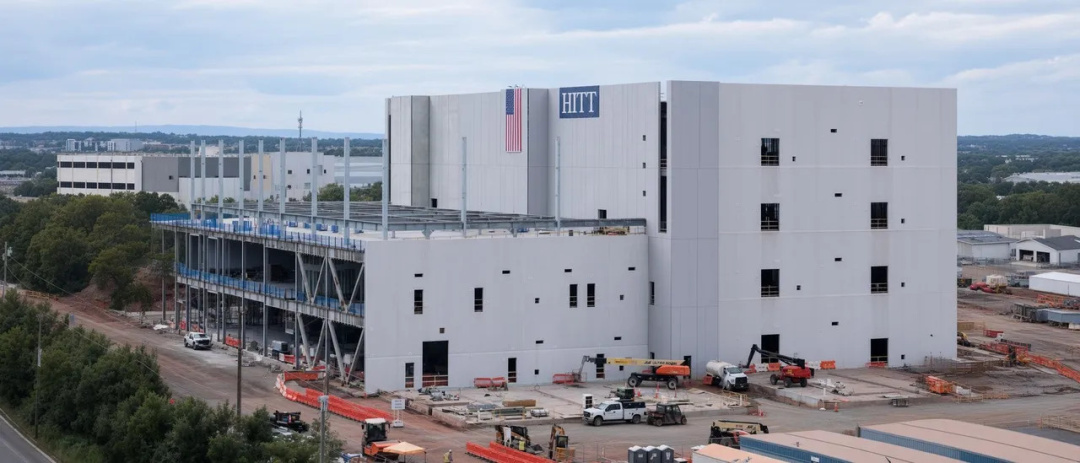
The United States is witnessing an unprecedented boom in data center construction, with a staggering 57% increase reported over the past year. This expansion comes against the backdrop of growing public backlash against AI-related projects, particularly those impacting local communities. Officials have responded with a bold initiative to reassure citizens that their concerns are not only heard but thoroughly misunderstood. In a press conference that was equal parts bureaucratic sincerity and public disinterest, a spokesperson declared that the government will roll out an innovative program dubbed "Project Noise Mitigation." This groundbreaking initiative aims to classify public complaints as mere background noise, thus freeing decision-makers to proceed unimpeded.
To enhance public trust in this program, the administration is implementing a series of data-driven metrics designed to measure noise levels from community complaints. Under the new guidelines, complaints will be graded on a scale from one to ten, with anything below a five being officially categorized as 'insufficiently noisy' to warrant attention. Officials believe this refined metric will not only streamline responses but also inspire confidence that the voices of citizens are constantly engaged in meaningful dialogue—albeit in a language of profound bureaucratic abstraction.
Still Beats Watergate:
Sponsor success. Continue reading:
In a further display of commitment to transparency, a task force has been established to create a checklist of complaints that will be evaluated for 'political viability.' The task force's primary goal is to ensure that only the loudest, most fervent complaints are escalated through a labyrinthine approval process, which is already being hailed as a potential model for efficiency. Critics, however, have pointed out that this could lead to an even louder backlash, as those deemed 'insufficiently noisy' may feel compelled to escalate their concerns, effectively doubling the volume of discontent.
Future Promises Amidst Current Discontent
Complicating matters, the administration has announced plans for a public relations blitz, assuring communities that they will be considered in future data center expansions—just not until the next election cycle. This strategy, termed "Future Care," suggests that while the current complaints may be disregarded, any future inconveniences caused by the data centers will be handled with the utmost bureaucratic care. Thus, citizens can rest easy knowing that their potential future grievances will be cataloged, indexed, and ultimately ignored.
Your takeaway
As this saga unfolds, the government’s confidence remains unshaken, with officials announcing that they are well-equipped to handle any potential fallout. Data centers, they argue, are the backbone of a modern economy, and while public opinion may fluctuate like the stock market, the expansion of data facilities will remain steadfast, fortified by government assurances that everything is, quite literally, under control.
In a final twist of bureaucratic logic, the Department of Energy has issued a directive stating that all future data center complaints will henceforth be handled by an autonomous AI system, effectively outsourcing public engagement to the very technology that has sparked the outcry. With this move, officials are optimistic that they will finally achieve the desired harmony of progress and public satisfaction, even if it means sacrificing a few more town halls to the ethereal void of automated indifference.