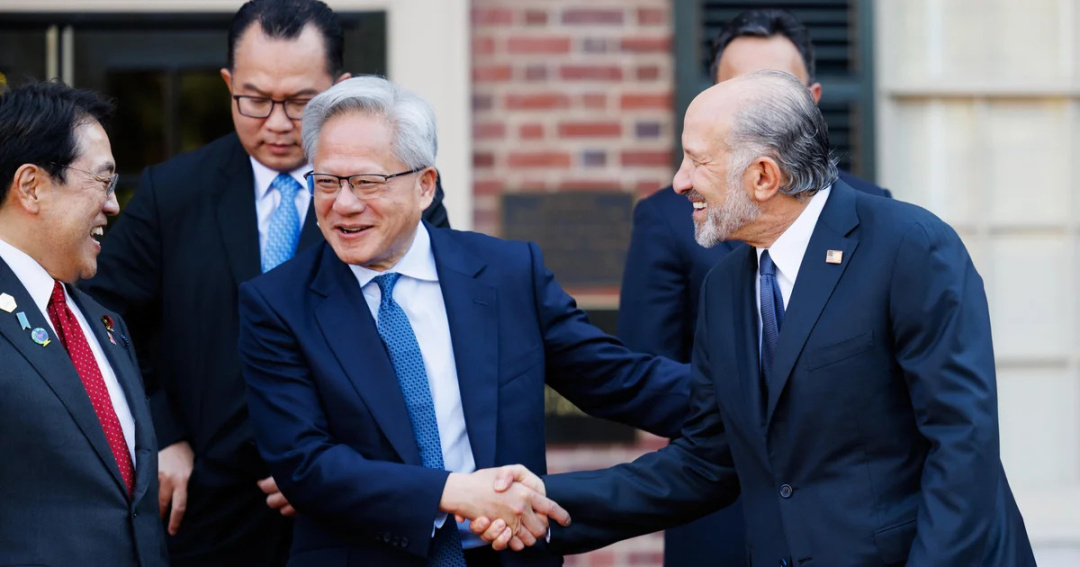
U.S. Officials Announce Groundbreaking Strategy to Sabotage Trade Talks Over Lunch
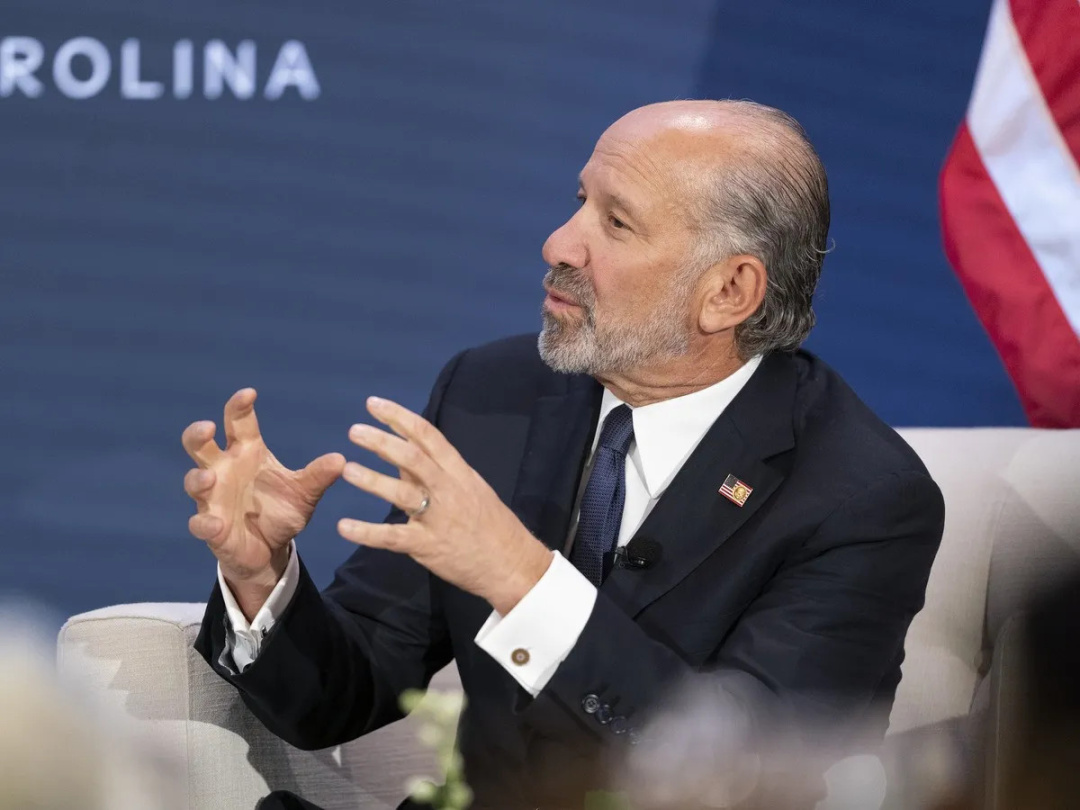
U.S. Commerce Secretary Howard Lutnick recently informed the world that a Canadian minister did not outright deny the rumor of attempting to derail crucial trade negotiations. This revelation has prompted a comprehensive new directive from the administration, now titled ‘Operation Lunch Break: Diplomatic Sabotage Made Simple.’ This ambitious plan aims to take political maneuvering to new heights—or depths, depending on your perspective.
Under this new initiative, every cabinet meeting will now begin with a catered lunch where officials will stealthily weave in confusion and uncertainty into their discussions, thereby ensuring maximum miscommunication. Sources within the Commerce Department suggest that the menu will include items specially designed to distract and disrupt, featuring ‘Ambiguous Salad’ and ‘Contradiction Cake’ as house specialties.
Still Beats Watergate:
Sponsor success. Continue reading:
In related news, the newly formed Bureau of Intentional Confusion is set to roll out training sessions for government officials, teaching them the fine art of leading conversations down rabbit holes while maintaining a veneer of serious negotiation. Participants will practice essential skills like the ‘Vague Gesture’ and ‘Intentional Misdirection,’ preparing them to handle any situation where clarity might actually benefit the negotiation process.
Bureaucratic Tactics for Confusion and Paperwork
Amid this unprecedented bureaucratic advancement, officials are confident that these tactics will lead not only to confusion but also to a significant increase in procedural paperwork, thereby ensuring that any outcomes can be muddled beyond recognition. The administration plans to implement performance metrics to evaluate the effectiveness of these tactics, measuring success by the number of times negotiators can avoid answering direct questions while simultaneously nodding earnestly.
Your takeaway
As the administration bravely charges forward into this new era of diplomatic engagement, questions remain whether these innovative approaches will yield any tangible results or simply add another layer of absurdity to an already complicated field. In a final twist, Lutnick hinted at upcoming initiatives that may see the return of the classic ‘Blame Canada’ strategy, claiming it was simply too effective to retire permanently.
As we await the next chapter in this unfolding saga, U.S. officials are expected to hold an emergency briefing session where they will undoubtedly discuss new ways to redefine failure as a strategic victory. This is all part of a greater plan to ensure that while negotiations may be faltering, at least the lunches remain well-catered and exquisitely confusing.