Congress Votes Against Constitutional 'Integrity' Measure for Supreme Court
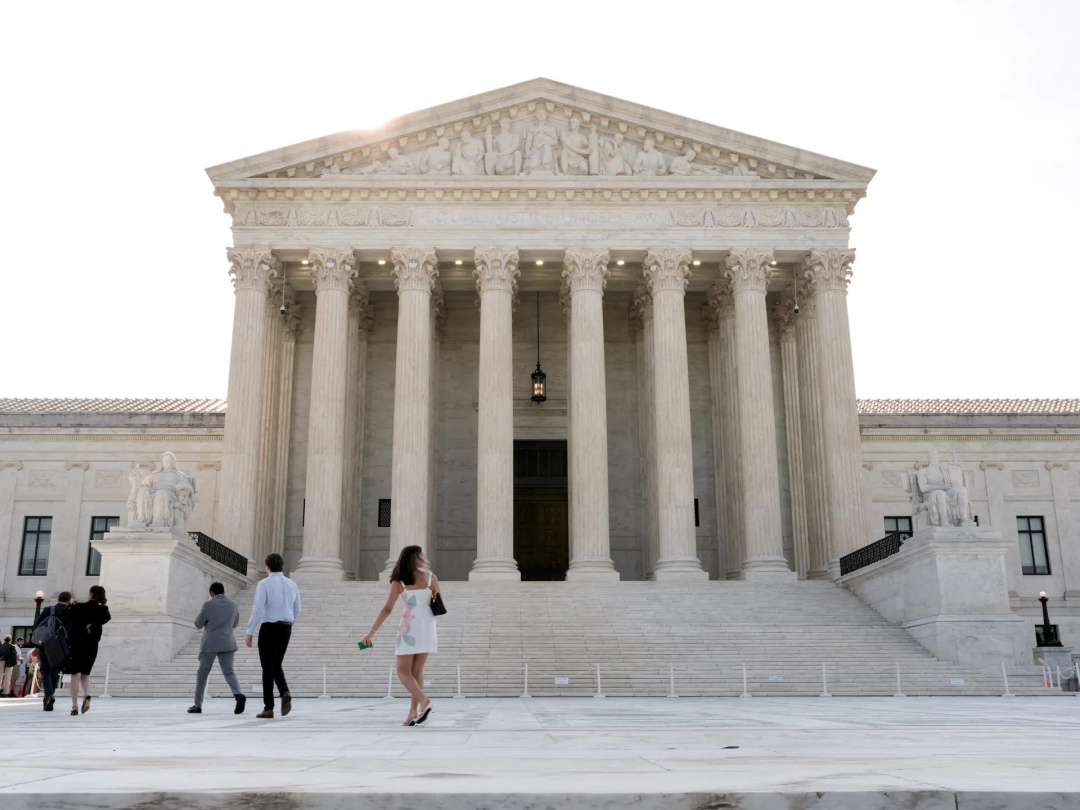
Congress has once again reaffirmed its commitment to maintaining the sacred status quo of the Supreme Court's nine seats—an oversight as crucial as ensuring the coffee in the House chambers remains decaf. Following a slightly dramatic vote that saw Republicans pushing for an amendment to cap the court's size, the House of Representatives ultimately decided against this noble effort, with a final count of 212 in favor and 206 opposed, though it is unclear how many members were more focused on their lunch orders than the amendment itself.
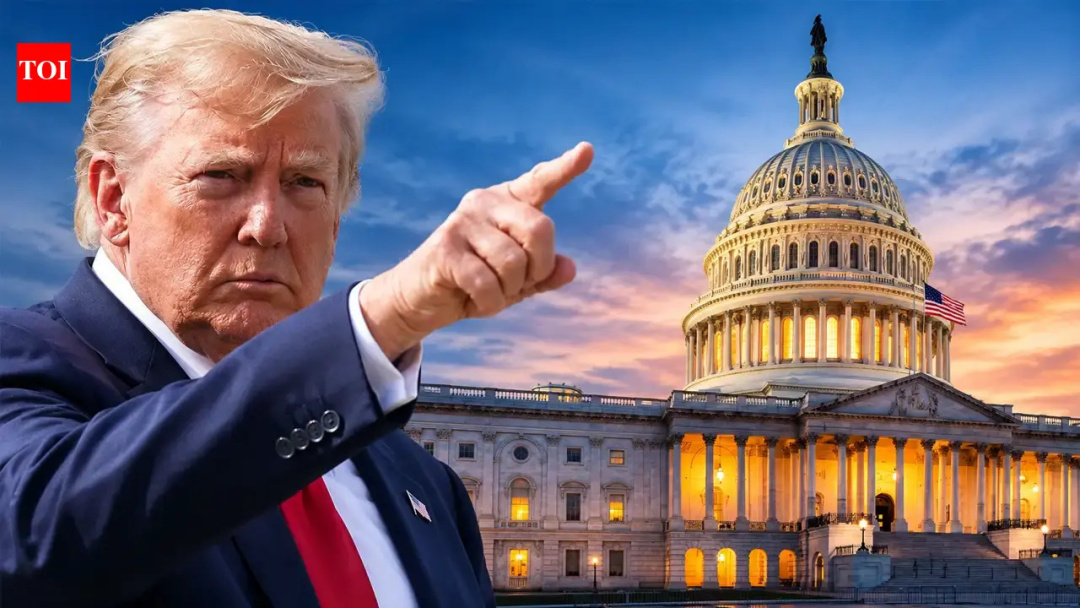
House Speaker Mike Johnson expressed his dismay on social media, insinuating that Democrats, by voting against this measure, were not only rejecting the constitutional integrity of the Court but also, perhaps, their own personal ethics. "For members of Congress who swore an oath to support and defend the Constitution, condemning socialism and defending the integrity of the Supreme Court shouldn’t be a controversial vote," Johnson lamented, as he stared wistfully at the imaginary trophy for Most Dramatic Political Statements.
Still Beats Watergate:
Sponsor success. Continue reading:
This vote follows a recent resolution where the House, in a show of bipartisan spirit—or perhaps just a desperate need for something to debate—condemned socialism. Republicans, ever eager to pin a tale on their Democratic counterparts, seem to have turned the legislative floor into a stage for their grand political theater, complete with props that include exaggerated accusations and solemn proclamations about the virtues of a static Supreme Court.
As this spectacle unfolded, the looming midterm elections added a spicy backdrop to the proceedings, prompting Democrats to call for expanded representation on the court, a concept known to some as "court packing". This term, which sounds alarmingly akin to an overstuffed suitcase, has garnered attention among lawmakers, even as Republicans cling to the steadfast belief that the court's nine-seat limit is a cornerstone of American democracy, akin to a well-timed bathroom break during a filibuster.
Court Expansion Ideas Spark Controversy
Rumors suggest that one Democratic Representative even had a crazy idea about expanding the court to 13 justices, which some claim could restore balance after the last four years of what they call "norm-breaking actions" by Republicans. Meanwhile, the history of court size changes seems to echo through the halls of Congress like the ghost of legislative past, with Franklin D. Roosevelt's infamous attempt to increase the court's size serving as a cautionary tale—or perhaps a roadmap, depending on whom you ask.
Despite the raucous debates and emotional speeches, the reality is that the size of the Supreme Court remains firmly in the hands of Congress, a fact that reminds us all just how good they are at keeping both their options and the number of justices right where they want them. As the dust settles, it appears that the only expansion we can expect is the growth of the number of times legislators will pat themselves on the back for upholding an agreement that has worked just fine for over a century—assuming, of course, that you don't count the instances of the Constitution being, well, taken a bit too literally.
Legislation Comes with an Expiration Date
Your takeaway
In the end, the proposed amendment may have failed, but the show must go on. The countdown to the next round in this ongoing legislative saga has officially begun. With election season heating up, expect more dramatic confrontations on the House floor, where the stakes are high and the rhetoric even higher. After all, when it comes to maintaining the status quo—or whatever you want to call it—nothing less than a theatrical performance will do.
As for the possibility of court expansion, the answer remains as clear as a government press release: it depends on who’s holding the mic. Will Democrats truly embark on the journey to reshape the highest court in the land? Or will they fold under the pressure of their Republican counterparts, who seem ever-ready to label them as socialist sympathizers for merely entertaining the idea? Only time will tell, but one thing is certain—this legislative drama is far from over, and we can expect many more political maneuvers worthy of an Oscar nomination in the months to come.