Swalwell Demands Probe Into FBI's Skywatching While He Flies to Freedom
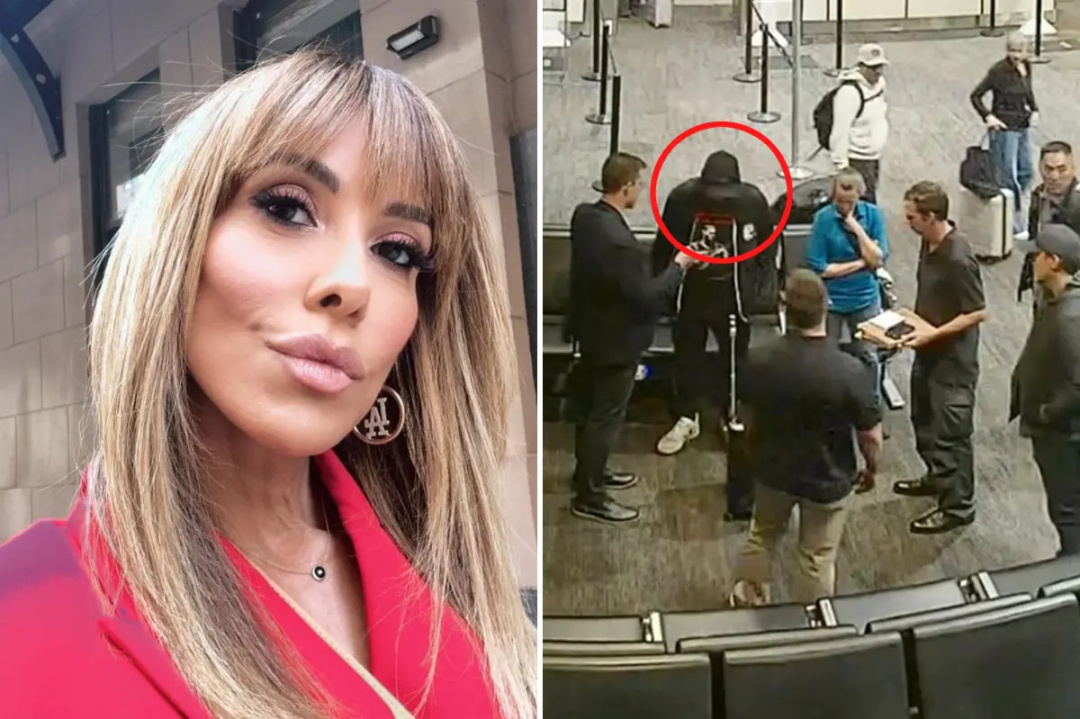
Eric Swalwell, the ex-congressman known for his high-profile political battles, has reached new heights of absurdity. Reports have emerged indicating that the FBI, in a bold move reminiscent of a dystopian thriller, allegedly enlisted air marshals to secretly surveil Swalwell during a United flight returning from Germany. This surveillance, designed to monitor one man’s journey through the friendly skies, raises critical questions about the federal government’s priorities and its approach to personal privacy on commercial flights.
In a memorandum addressed to the Department of Justice, Swalwell’s attorney requested a thorough investigation into what they dubbed "Operation Skywatching," a program presumably aimed at monitoring disgraced public figures in airplanes. It appears that the FBI’s strategy involves equipping air marshals with a unique set of surveillance skills, transforming them from guardians of in-flight safety into full-time political watchdogs. One must wonder if they also received training in subtlety, or if their new role simply involved staring intently at a man while pretending to be interested in the in-flight movie.
Still Beats Watergate:
Sponsor success. Continue reading:
The department, always keen on maintaining its image as a bastion of transparency, is reportedly reviewing the surveillance protocols of air marshals. Officials have assured the public that this investigation will be as rigorous as a toddler’s attempt to assemble IKEA furniture—complete with missing screws and confusion. The administration is expected to clarify the agency’s strategy on how to follow ex-congressmen without appearing to follow them, particularly when they are thousands of feet in the air.
In a stunning move, the FBI has also hinted at expanding this program to include other disgraced politicians, perhaps launching "Project High-Flyers"—a reality show meets surveillance initiative that seeks to expose the private travels of politicians who can no longer be trusted to book their own flights without incident. The proposed program aims to ensure that no ex-congressman flies under the radar without proper oversight, a clear sign that the agency is committed to its mission of keeping the skies safe from questionable public figures.
Swalwell's Camp Responds to Surveillance Proposal
Amidst all this, Swalwell’s camp has expressed their outrage, demanding accountability for what they see as an egregious violation of constitutional rights. As they prepare their case, one can only imagine the air marshals’ reports detailing Swalwell’s every move on the flight—"Subject selected chicken over salad, appeared uneasy with the in-flight entertainment selections, and displayed an intense interest in window views."
The potential outcomes of this investigation could set an alarming precedent, perhaps giving rise to a new era of governmental vigilance that goes beyond airport screening and into the realm of general flying discomfort. As the FAA prepares to weigh in, it’s clear that Swalwell's plight is not just about personal privacy; it’s about redefining the boundaries of state power in the skies.
Your Takeaway
As the nation watches, the implications of this surveillance could be as far-reaching as they are absurd. Will we soon see air marshals equipped with not just authority but also a checklist of which politicians to keep an eye on? Only time will reveal whether this farce will lead to clearer regulations on privacy or merely a new chapter in the ongoing saga of government overreach, where even a routine flight might come with a side of political theater.
In a world where flying has become increasingly complicated, Swalwell’s case represents a chilling reminder of the potential for governmental misuse of power. As investigations unfold, one thing remains clear: nothing is off-limits in the quest for accountability—even if it means scrutinizing former congressmen at cruising altitude. Expect updates as this flight of fancy continues to spiral into the clouds, leaving us to ponder just how high the surveillance stakes can go in today’s political climate.