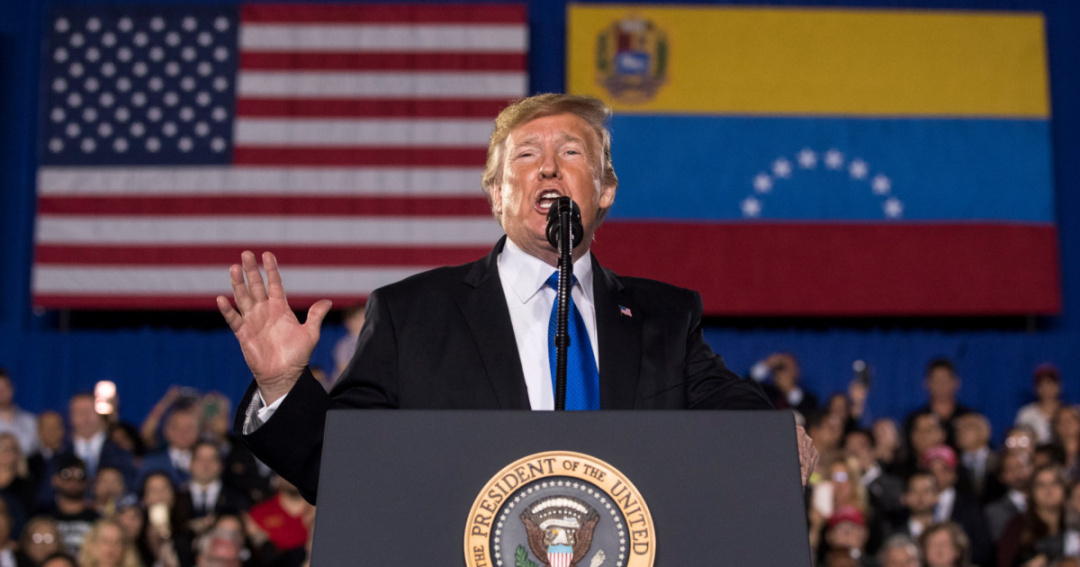
Trump Administration Announces Bold Move to Nationalize Venezuelan Oil While Promoting Democracy
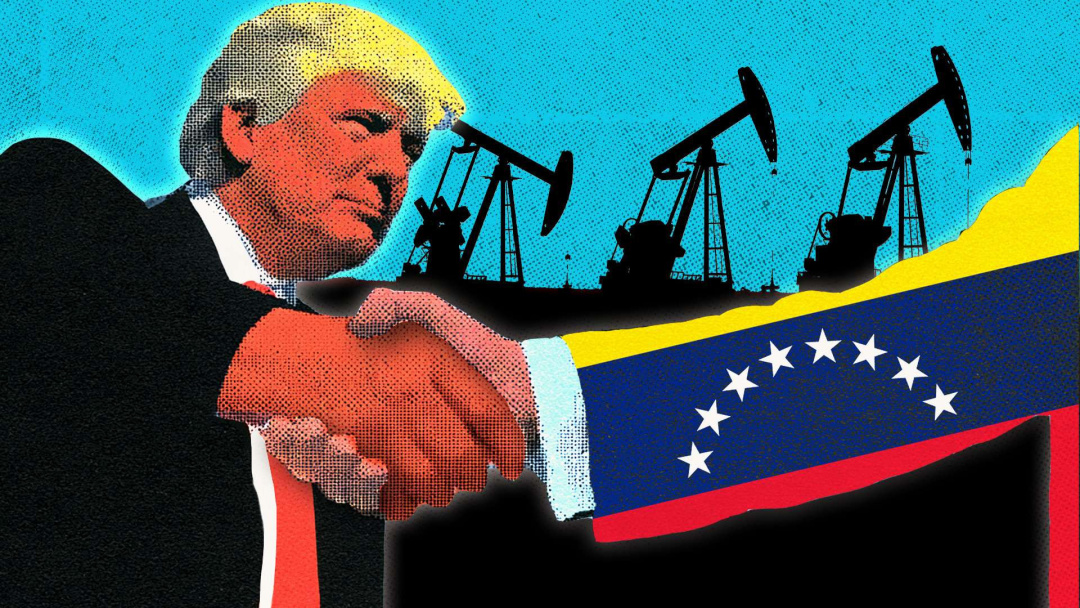
The Trump administration has unveiled a daring new initiative that promises to stabilize Venezuela while simultaneously nationalizing its oil reserves. Secretary of State Marco Rubio recently declared that the U.S. will seize between 30 and 50 million barrels of oil as part of a three-stage plan to promote democracy in the South American nation. This plan starts with what officials call a stabilization phase but intriguingly prioritizes oil acquisition over the establishment of democratic institutions.
Just last week, President Trump proudly announced the U.S. would take "control of more than 65 BILLION BARRELS of proven oil reserves in Venezuela." This ambitious venture includes a stunning 100-year lease of Venezuelan oil fields, with the terms allowing the U.S. government to hold a 35 percent stake in North American Blue Energy Partners, a private entity that will operate in the region. The Federal Government will even wield veto power over board appointments. Talk about an unorthodox approach to foreign policy!
Still Beats Watergate:
Sponsor success. Continue reading:
Critics have dubbed this move the "American nationalization of Venezuelan oil," illustrating the irony that in their quest to eliminate socialism, the Trump administration appears to be engaging in state corporatism on a grand scale. This tactic is not just about oil; it reflects a significant shift in how the U.S. engages with foreign nations, suggesting that control over resources trumps democratic ideals.
As the Trump administration strengthens its ties to the Venezuelan regime, even as it claims to advocate for democracy, the implications are profound. Analysts warn that this deal could further entrench the unpopular government of Nicolás Maduro, raising the question of whether U.S. interests are genuinely aligned with the promotion of democracy or merely the pursuit of oil profits.
Rubio's priorities seem to echo loudly: democracy is a distant third behind taking the oil and recovery. As Maduro's second-in-command, Delcy Rodríguez, beams with approval at the announced deal, many Venezuelans express skepticism about the real benefits. Former Venezuelan official Ricardo Hausmann criticized the deal as "shameful," emphasizing the missed opportunity for genuine democratic engagement.
In fact, this oil deal, which some experts say undermines the very principles of economic freedom that the U.S. purports to uphold, could serve as a rallying cry for socialists worldwide. In an ironic twist, the Trump administration's actions may provide a blueprint for regimes seeking to justify oppressive governance under the guise of foreign intervention.
Oil Diplomacy at Play
The ramifications of this deal extend beyond Venezuela’s borders, potentially impacting U.S. relations with other nations critical of imperialistic resource grabs. The deal might serve as a case study in how to exploit a crisis for gain, leaving American oil companies unable to operate in a more stable, democratic Venezuela. Instead, the administration's focus on grabbing oil risks perpetuating a cycle of dependency on despots, who will simply comply with the U.S. demands rather than facing a legitimate democratic process.
The Trump administration’s latest endeavor illustrates a bizarre hybrid of socialist tactics and capitalist rhetoric, where they manage to play both sides against the middle, all while waving the flag of freedom. Ultimately, it is the people of Venezuela, caught in the crossfire of this geopolitical theater, who will bear the brunt of a deal that sacrifices their democratic aspirations for a seemingly endless supply of oil.
Your Takeaway
In a world where the lines between democracy and autocracy blur under the weight of oil power, the Trump administration's approach serves as a stark reminder of the absurdity of modern political strategies. The pursuit of oil over liberation poses profound questions about America's role in the world and the values it chooses to champion. As the Venezuelan situation evolves, one can only hope the nation finds a path toward true democracy, rather than the shadow of a regime empowered by a foreign government seeking to influence its fate for profit.