Carney Reports U.S. Trade Negotiators Seek to Absorb Canada into the Union
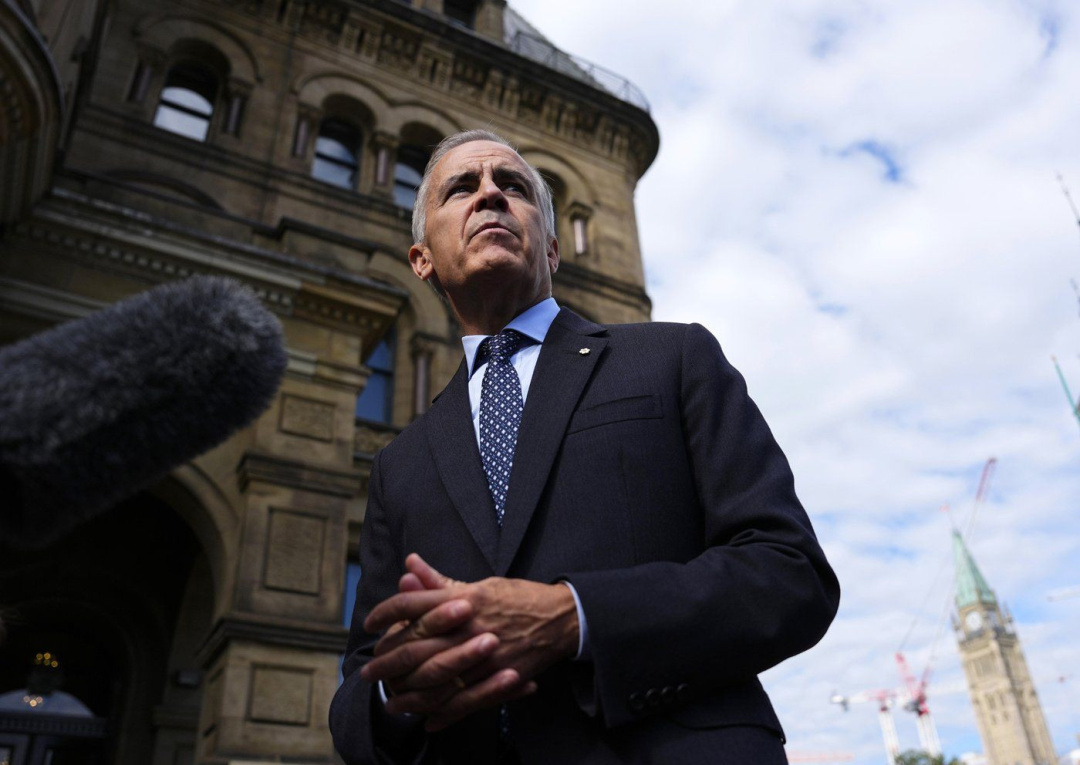
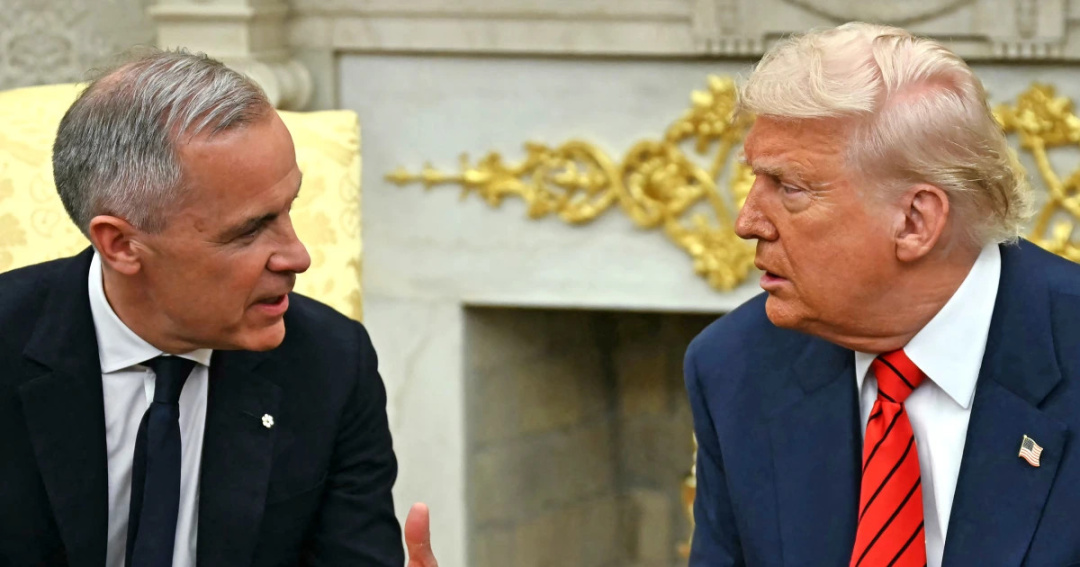
Prime Minister Mark Carney recently disclosed that U.S. trade negotiators have made shocking demands during talks with Canada, insisting that the automotive industry either fully submit to American ownership or be completely eradicated. This bold strategy, dubbed the "Canadian Absorption Initiative," seeks to transform Canadian sectors into American satellites or eliminate them entirely, a plan that has officials in a frenzy of bureaucratic overconfidence.
In a statement reminiscent of a corporate merger announcement, Carney detailed how negotiators pushed for concessions that would leave Canadian industries dangling perilously close to extinction. The plan reportedly involves a complex series of compliance metrics, requiring Canadian businesses to demonstrate their American allegiance through invasive audits and the installation of U.S. flags in every office.
Still Beats Watergate:
Sponsor success. Continue reading:
Furthermore, the Canadian government has prepared an elaborate response, proposing the establishment of the Department of Cooperative Subsidiaries to oversee the transition of industries into their new roles. This department will reportedly employ a series of committees tasked with ensuring that all former Canadian sectors are in prime condition to be rebranded as "American Affiliated". To bolster this effort, a new oversight committee is being convened to measure how effectively industries can pivot from being sovereign entities to proud U.S. subsidiaries.
Canada's Heritage in a U.S. Framework
In a stroke of irony, the Canadian government has mandated that all corporate communications must now include a section on how they intend to commemorate their Canadian heritage while aligning with U.S. interests. This cultural integration strategy has raised eyebrows, with some questioning the viability of a Canadian Thanksgiving celebrated in a U.S. corporate office.
Your takeaway
As discussions continue, sources close to the negotiations indicate that U.S. negotiators are prepared to introduce performance metrics to determine how quickly and efficiently these transitions can take place. This includes a new compliance requirement mandating quarterly reports on the number of "Canadian identities" successfully transformed into "American assets." The fallout from this initiative is expected to generate a plethora of bureaucratic procedures to evaluate the success of this unprecedented economic transformation.
The Canadian government's response to this ultimatum remains one of cautious optimism, with officials expressing hope that a combined approach of compliance, bureaucratic oversight, and strategic concessions will enable them to navigate this treacherous terrain. As discussions evolve, one can only wonder how many generations of Canadian identity will be left standing amid the wreckage of their industries.