US and Iran Exchange Blows While Negotiation Window Slams Shut

The United States and Iran have reignited their long-standing hostilities with impressive military displays, proving once again that diplomacy is simply a decorative backdrop for the real show. On September 1, the US airstrikes targeted Iranian Revolutionary Guard Corps sites near the Strait of Hormuz, while Iran retaliated with ballistic missiles aimed at US facilities. In a stunning display of synchronized chaos, both countries have managed to turn a month of cautious silence into a cacophony of accusations and military posturing, all while conveniently ignoring the actual diplomatic discussions they had previously promised to uphold.
The airstrikes, touted by US officials as a necessary response to Iranian aggression, only managed to raise the death toll among civilians attending a wedding in Sirik. With at least five casualties and dozens injured, it appears the US campaign to degrade Iranian military capabilities has inadvertently become an event planner’s nightmare. Because if you’re going to disrupt an entire region’s stability, why not do it at a wedding?
Still Beats Watergate:
Sponsor success. Continue reading:
In a predictably bold move, Iranian officials responded with their own fireworks show, launching 13 ballistic missiles toward US positions in Jordan and Iraq. Though most were intercepted, the very act demonstrates a significant escalation in their military strategy. Iran’s government claimed successful hits on multiple targets, but given that Washington has chosen to remain silent on such claims, we can only assume they’re busy working on their own version of ‘The Amazing Race: Military Edition,’ dodging missiles while trying to maintain a semblance of credibility.
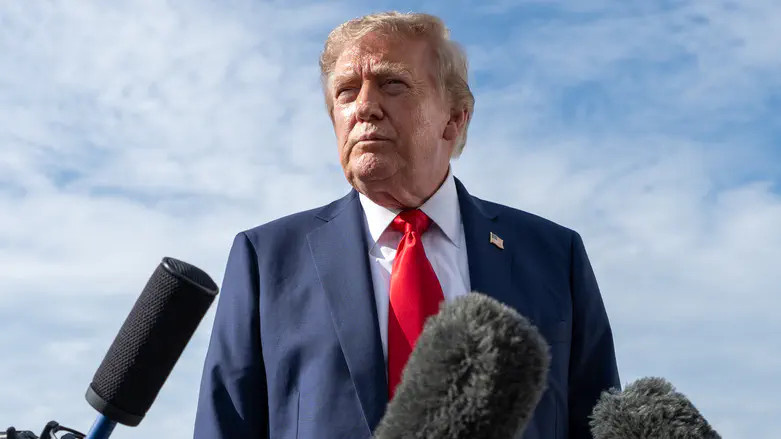
President Trump has chimed in with some classic rhetoric, promising that should Iran continue its retaliation, there will be 'very little left' of the Islamic Republic. It’s a comforting thought, really. After all, nothing says 'diplomatic resolution' quite like a solid threat to rain destruction down upon an entire country. Perhaps a future White House briefing will feature a new initiative aimed at ‘Clarifying Our Intentions While We Bomb Things,’ showcasing an impressive commitment to both military prowess and public relations.
Global Trade Faces New Challenges Ahead
Shipping companies have begun rerouting vessels to dodge the potential chaos near the Strait of Hormuz, adding extra time and costs to already strained global trade routes. In a world where one-fifth of the planet's daily oil supply flows through this tiny chokepoint, it’s comforting to know that the bureaucratic response to military action is to simply change the map. Instead of addressing the root cause of the problem—namely, the perpetual cycle of violence and retaliation—shipping companies are now the only ones engaged in proactive measures, all while Washington figures out who to blame for their own costly miscalculations.
The Cycle of Conflict Continues
In the end, while both nations escalate tensions with dramatic flair, the reality set before us is that any chance for productive dialogue is rapidly evaporating. As the military exchanges intensify and the political landscape grows murkier, one shudders to think about what might happen when the next ‘opportunity for peace’ appears, only to be swiftly smothered by the heavy hand of military might. The world watches, not in anticipation of resolution, but rather to see how quickly both sides can misplace their promises while maintaining a façade of control over the chaos they themselves created.
As the cycle of conflict continues, one can only wonder if the next major military exchange will come with a side of bureaucratic nonsense, complete with committees to analyze the effectiveness of their own failures. After all, if history has taught us anything, it's that the only constant in international relations is the unexpected and often absurd ways in which nations choose to engage with one another. Expect plenty of reports on the strategic importance of miscommunication as the international community holds its breath, waiting to see who will step into the diplomatic arena next, armed not with words, but with increasingly sophisticated military hardware.