Germany's Diplomatic Gymnastics: A New Ostpolitik or Just a Bad Tumble?
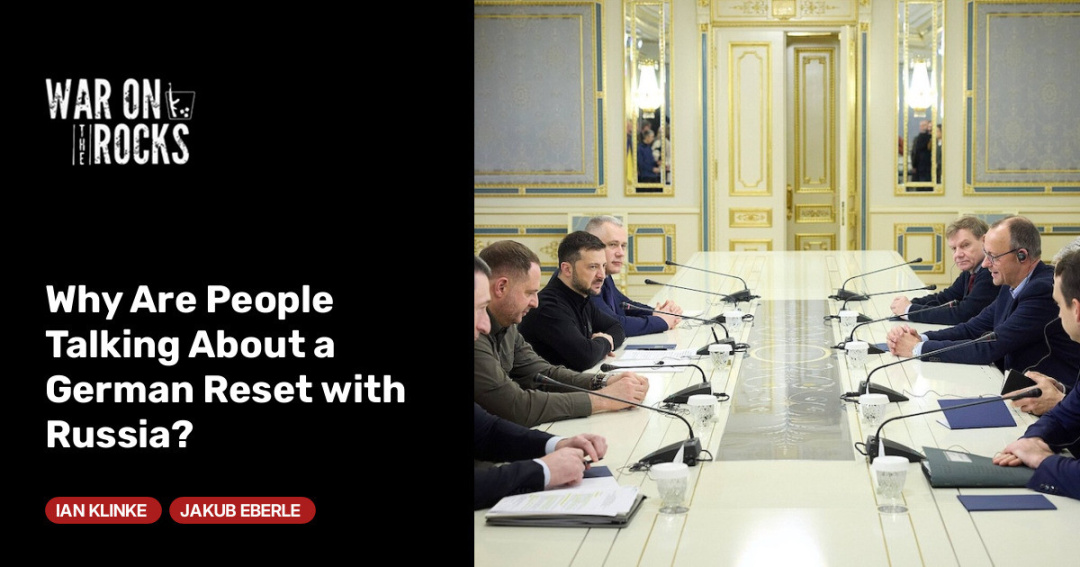
Germany is once again caught in a diplomatic conundrum, trying to balance its past and present with Russia while navigating the minefield of internal politics. The summer of 2026 has brought about fresh musings among politicians and academics alike on whether Berlin might be inching back towards its old Ostpolitik ways. The backdrop? A drone attack on German soil that seemed designed to remind everyone how easy it is to forget one’s principles when the stakes get high.
The question on everyone’s lips is whether Germany is truly ready to reset its ties with the Kremlin. Spoiler alert: not likely. The German foreign policy landscape is still dominated by a heavy distrust of Russia, despite the AfD's attempts to cozy up to the old foes. The far-right party, which seems to think that the Kremlin has a soft spot for Berlin, faces an uphill battle against a populace that remembers quite vividly the price of previous dealings with Moscow. Hence, while the chatter grows louder, the actual policy changes are set to remain as elusive as a convincing plot twist in a soap opera.
Still Beats Watergate:
Sponsor success. Continue reading:
In a classic case of political theater, former Chancellor Olaf Scholz made headlines with his decisive break from Russia back in 2022, all while sporting the now-infamous tank photo ops that surely boosted his social media presence. Fast forward to 2026, and we find a new face at the helm—Chancellor Friedrich Merz, who, despite his best efforts, appears stuck in a diplomatic traffic jam with no clear way out. With the Biden administration having treated Germany with the same disdain as a bad movie sequel, it’s no wonder Merz seems keen on exploring a potential rapprochement with Russia, even if it’s just to get a better seat at the international table.
Challenges on the Path to Rapprochement
Yet, the road back to business as usual is riddled with potholes. The AfD’s growing popularity, especially in the East, poses a significant dilemma. The party has taken to claiming victory in the faux war against Ukraine, declaring that the Russian invasion was merely a misunderstood message. This narrative is gaining traction at a time when their presence in regional elections is becoming a hefty pressure cooker for the established parties, forcing them to respond with increasingly exaggerated denials of any intent to pivot back to Ostpolitik.
Your takeaway
Germany's relationship with Russia, however, remains a shadow of its former self. The machinery of Ostpolitik has rusted over, with the once-thriving networks that facilitated dialogue now relegated to the dusty corners of political history. As for the Nord Stream pipeline, it's difficult to imagine any government daring to breathe life back into that project, especially when Germans remember the hefty bill they footed during the 2022 energy crisis.
Ultimately, the only thing that seems certain is that Ostpolitik has morphed into a curious form of identity politics—an oppositional force that rejects the status quo while offering little in terms of practical alternatives. As elections loom, the centrist parties must grapple with a re-imagined political landscape where engagement with Russia has become a rallying cry for both the far-right and portions of the left. Will this lead to a policy shift? Not likely, although watching the political gymnastics unfold promises to be entertaining amid the political tightrope act that is German foreign policy.