Trial for Charlie Kirk's Murder Begins Amid Claims of Overwhelming Evidence
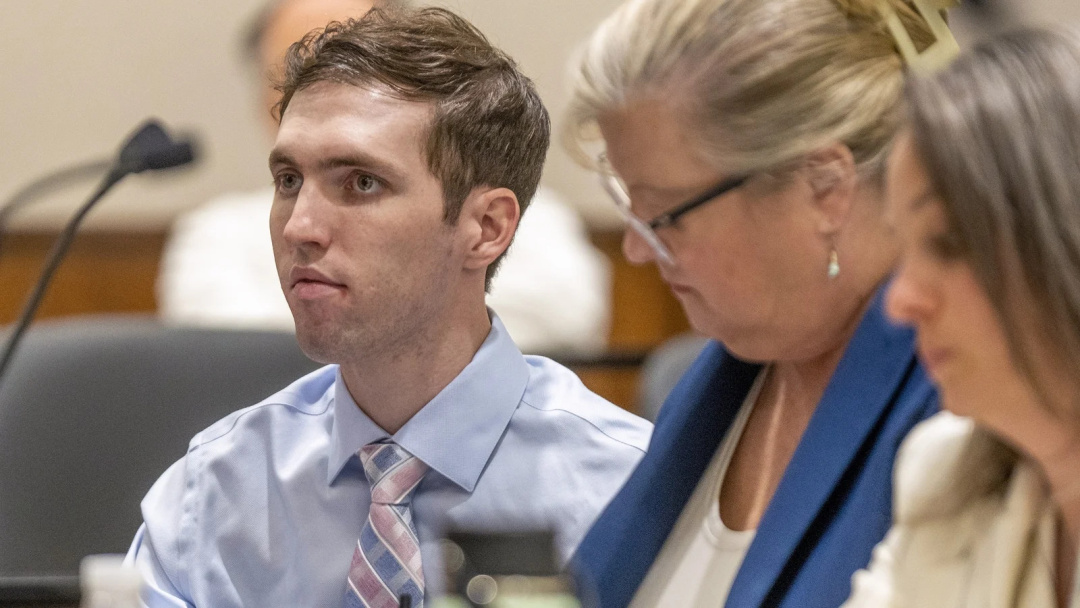
The trial of Tyler Robinson, accused of fatally shooting conservative activist Charlie Kirk, kicked off with an impressive display of legal theater, as prosecutors assembled what they claim is overwhelming evidence supporting the death penalty. In a judicial saga that promises to have all the excitement of a midterm election, Judge Tony Graf presided over a courtroom that resembled a political rally more than a murder trial.
Prosecutors, who seemed to find great joy in painting Robinson as a sniper poised to take out a policy opponent, relayed gripping tales of how he allegedly lay in wait at Utah Valley University, weaponized rhetoric and all. They unveiled video evidence depicting Robinson taking up a sniper position, capturing the attention of a courtroom full of cheering spectators who definitely did not resemble jurors. "He took aim, put his crosshairs on Charlie Kirk, and fired," proclaimed prosecutor Ryan McBride, as if he were narrating the latest action blockbuster rather than discussing a tragic event.
In a stunning counterattack, Robinson’s defense team argued that the single shot he fired did not meet the criteria for aggravated murder. They adamantly insisted that his actions endangered only Kirk and that the evidence didn’t show he threatened anyone else. Defense lawyer Staci Visser laid down the law, asserting there was only one bullet, one victim, and absolutely no reason to put Robinson under the death penalty spotlight. The courtroom erupted in gasps, as if the notion of a single bullet was akin to an unmissable plot twist.
Meanwhile, the prosecution doubled down on their claims, presenting DNA evidence that felt more like a scene from a true crime drama than a judicial process. They emphasized every minute detail of Robinson's alleged sniper training, complete with a literal shot-by-shot breakdown of the event, demonstrating how he posed a great risk. It was as if they were creating a new Olympic event: Sniping Against Political Activism.
Motivations Behind the Allegations Unfold
During the proceedings, the court was peppered with allegations regarding Robinson's motivations, with McBride asserting that political hate was the driving force behind his actions. This prompted the defense to scramble, insisting that the context of a text message often misinterpreted should not be viewed as a manifesto against Kirk's views. "Hate can't be negotiated out," the message allegedly read, confusing legal minds everywhere over whether it was a motive or just a poorly phrased tweet.
As the trial continues, the audience is left to contemplate how much of this drama is truly about justice and how much is about political theater. Perhaps as a fitting twist, the memorial for Kirk is set to occur just outside the courthouse, blurring the lines between mourning and ongoing political debates.
A Legal Showdown with Political Underpinnings
As the courtroom drama unfolds, many wonder if the outcome of this trial will be a definitive statement against political violence or merely another chapter in the ongoing saga of political theater in America. With a conservative icon at the center of the case, the stakes have never been higher. One thing is clear: this trial promises to be more than just a legal proceeding; it’s a referendum on the political landscape itself, packed with enough rhetoric to fuel debates for generations.
The trial will continue to unfold, with both sides gearing up for what they foresee as the battle of their careers. Expect riveting cross-examinations and impassioned speeches that would make any campaign rally look tame. Who knew that a courtroom could become a crucible in which the future of political discourse would be forged?