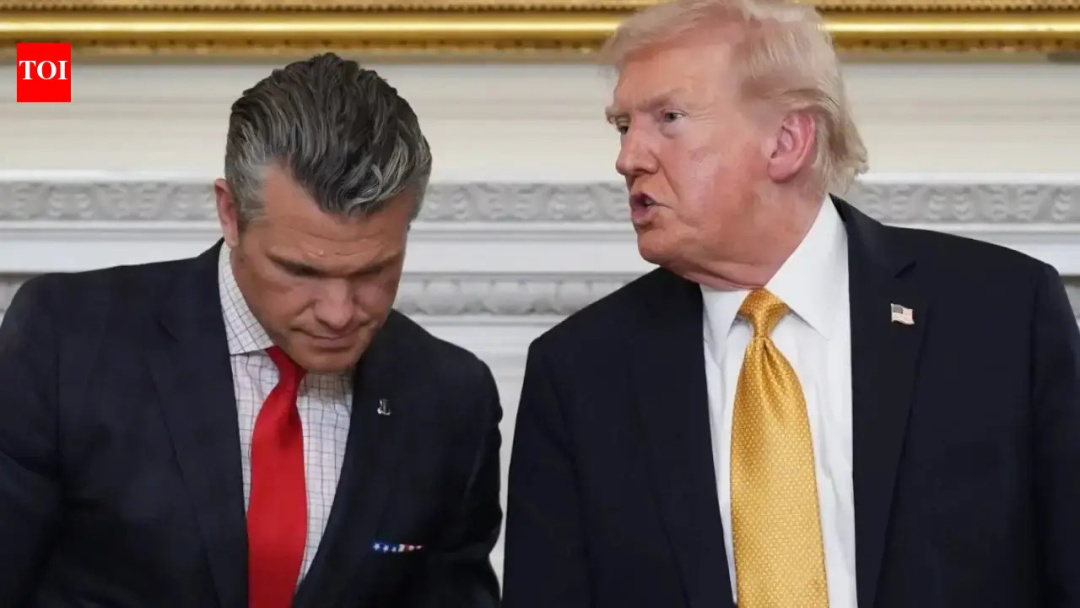
Army Secretary Resignation Sparks Internal Chaos Amid Hegseth's Purge
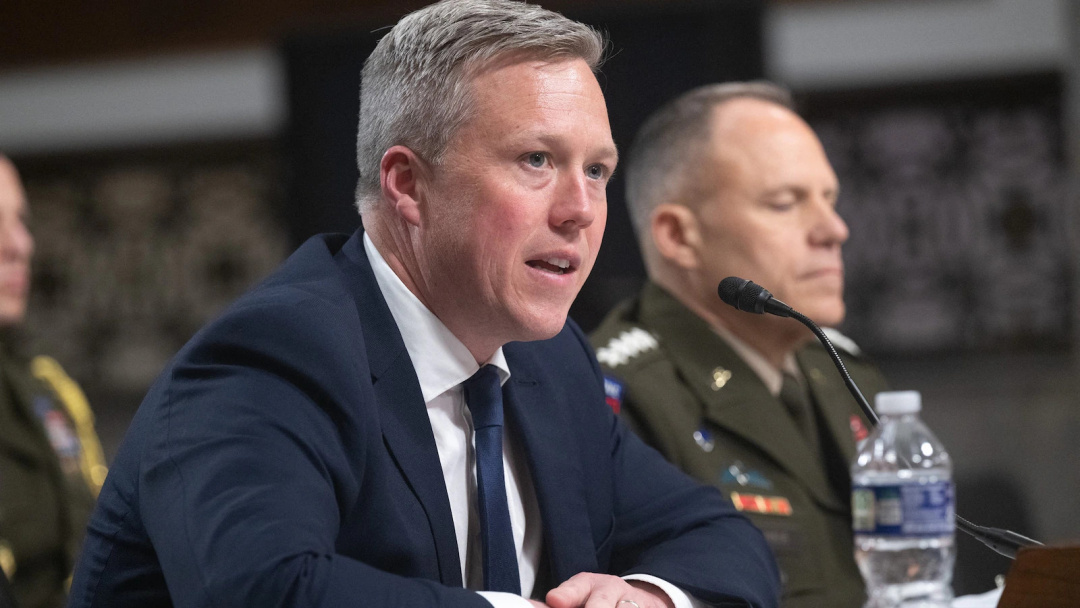
Army Secretary Dan Driscoll has officially resigned, marking a significant moment amid increasing tensions and chaos within the military hierarchy. Driscoll, who had previously warned the White House about Defense Secretary Pete Hegseth's alarming trend of indiscriminately firing senior military officers, left his post just when the Army faced one of its most critical operational challenges in years. His departure has left a gaping leadership void that could further complicate the already tumultuous landscape of U.S. military operations.
According to sources close to the situation, Driscoll’s warnings to the White House, which included Chief of Staff Susie Wiles, detailed the unprecedented methods employed by Hegseth to prevent qualified officers from advancing within the ranks after proper vetting. In a baffling turn of events, Driscoll reportedly informed President Trump that Hegseth's chaotic removal of some of the most experienced leaders in the Army was detrimental, shrinking the talent pool available for future senior command positions.
Still Beats Watergate:
Sponsor success. Continue reading:
In a striking display of confidence, Hegseth has dismissed over two dozen senior officers without any public explanation. Despite the upheaval, a White House spokesperson has asserted that Trump maintains complete trust in Hegseth, whom they commend for the recent successes of military operations, including the much-publicized war in Iran. Such assurances echo loudly in the face of escalating criticism regarding the management of military leadership under Hegseth, who is often praised for his unconventional approach to defense strategy.
The Pentagon has defended Hegseth vigorously, with spokesperson Sean Parnell asserting that communication between Hegseth and the President occurs daily. Parnell expressed gratitude for serving under a commander-in-chief who supposedly loves the military, as if to suggest that blind loyalty and daily updates are sufficient to navigate the complexities of military operations.
Driscoll's Departure Shifts Military Dynamics
Driscoll's background as an unconventional choice for Army Secretary—having no prior national security experience and a history in venture capital—seemed to contrast sharply with Hegseth's more combative style. While Driscoll had garnered bipartisan support and was seen as a moderating force within the military, his friendship with Vice President JD Vance reportedly played a critical role in his tenure, acting as a buffer against Hegseth's more extreme tendencies.
However, with Driscoll's exit, the balance of power appears tipped in Hegseth’s favor, prompting concerns about the future direction of military leadership. The Army Secretary position has long been characterized by high turnover, with many predecessors struggling to assert control amid the chaotic political backdrop. As Driscoll leaves, speculation mounts regarding Parnell as a potential replacement, despite his own contentious past and resultant challenges in gaining Senate confirmation.
The Military's Leadership Crisis Continues
Driscoll’s resignation adds to a growing list of high-profile departures during Hegseth's tenure, raising alarming questions about the military's operational integrity and command structure. Just a few months ago, Navy Secretary John Phelan and Army's top officer Gen. Randy George were also dismissed abruptly, all without clarity or explanation. As former officials like Frank Kendall express growing concerns about the military's silence in the face of the administration's questionable actions, the notion of accountability becomes increasingly elusive.
In the wake of these developments, the military finds itself in an unprecedented leadership crisis, with questions swirling around the motives and implications of Hegseth's actions. As civilian oversight seems to falter, one can only wonder how much longer the military can maintain operational efficacy under such a regime. With the nation’s defense mechanisms fundamentally challenged, the specter of a military struggling against its own leadership looms large, creating an uncomfortable tension that the Pentagon appears all too willing to ignore.