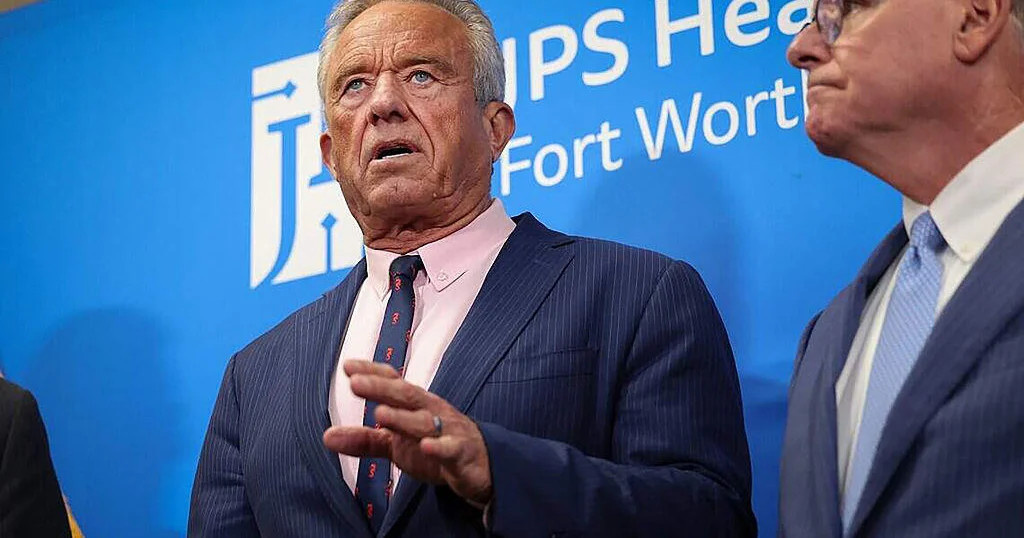
RFK Jr. Ordered to Halt His AI-Powered Abstinence Program Justifications
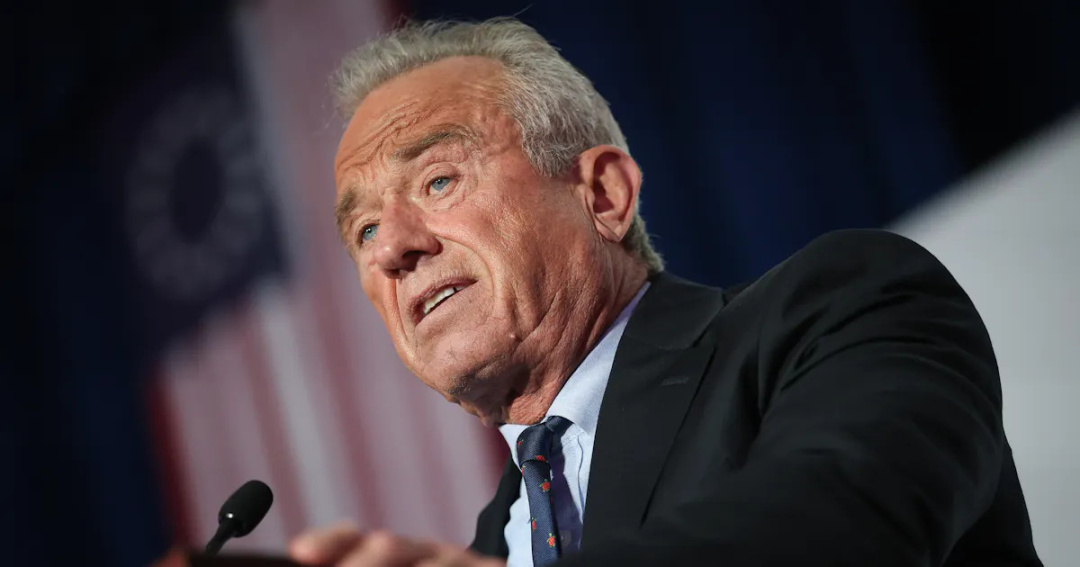
A federal judge has issued a stern admonishment to the Department of Health and Human Services, led by none other than Robert F. Kennedy Jr. The ruling demands an end to the use of what the court has deemed either AI-assisted or entirely fabricated studies designed to defend the Trump administration's rather singular commitment to funding only abstinence-based teen pregnancy prevention programs. While proponents of these initiatives insist they're promoting ‘responsible education,’ critics are left wondering what exactly is being taught here.
In a justifiably incredulous moment, the judge expressed concern about the Department's choice to rely on studies that could have easily been generated by an overeager intern with a penchant for creative writing. He emphasized that the goal is to prevent teen pregnancies, not to fund a misguided experiment in AI research. Meanwhile, Kennedy Jr. appears unfazed, confidently assuring the public that incorporating technology into public health policy is simply ‘cutting-edge’ and ‘innovative,’ even if that means cutting corners along the way.
Still Beats Watergate:
Sponsor success. Continue reading:
The response from the HHS has been predictably bureaucratic, involving the formation of a new task force dedicated to establishing compliance metrics to ensure that only the most questionable studies are utilized. This oversight committee will reportedly operate under a six-tiered approval process that promises to complicate any attempts at straightforward education initiatives. Critics argue that this new layer of bureaucracy is merely a veiled attempt to obfuscate the already dubious findings and maintain the status quo.
In an ambitious move, Kennedy Jr. announced plans for an ‘AI Accountability Initiative,’ which will no doubt require a staggering amount of paperwork to ensure that AI algorithms are being used responsibly—responsibly meaning they can still be manipulated to justify the funding of abstinence programs. The initiative will reportedly aim for a goal of zero teen pregnancies while simultaneously creating a new set of guidelines for generating ‘acceptable’ AI studies, thus ensuring that the cycle of absurdity continues.
Navigating the Irony of Prevention Efforts
Ultimately, the future of teen pregnancy prevention hangs in an uncertain balance as officials grapple with the irony of needing ‘innovative solutions’ while holding on to outdated approaches. As the HHS navigates this complex maze of invented metrics and procedural loopholes, one has to wonder if any actual progress can be made. The Department's latest forecast for success involves an increase in funding for an ‘AI Ethics Compliance Board’ that will be tasked with reviewing their own questionable research methods. It seems, in the end, that the only certainty is more absurdity ahead.
Official Responses Amidst the Chaos
In light of the court's ruling, the HHS has promised to pivot towards ‘evidence-based strategies’—a term whose definition may very well depend on how one defines ‘evidence.’ As such, the agency is expected to roll out an array of new initiatives aimed at soothing concerns while doing little to disrupt the flow of abstinence-only education funding. Officials eagerly await the results of their self-designed surveys, which they assure us will be conducted in the most scientifically dubious manner possible.
As the bureaucratic machinery churns on, one can only hope for a future where educational policy is informed by actual facts rather than speculative AI studies. However, given the current trajectory, the road to meaningful change appears to be paved with more invented studies and compliance forms than genuine improvement.