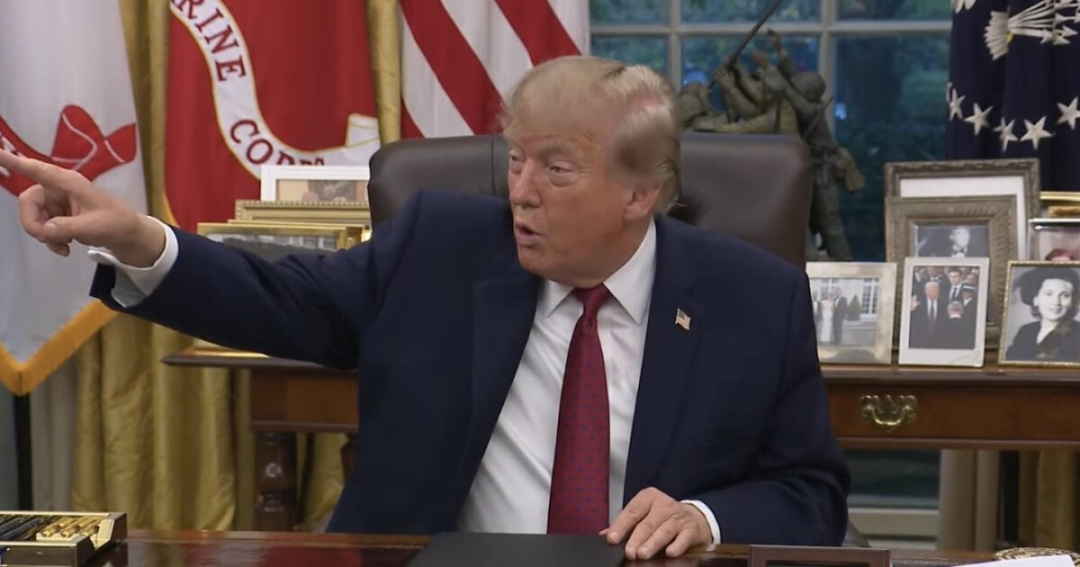
Trump Renames Lake Ontario in Bold Strategic Move to Reclaim Geography
President Trump has officially declared that Lake Ontario, one of the Great Lakes, is now to be known as Lake America, an announcement that has sparked outrage and accusations of tyranny. Critics believe this strategic renaming is retaliation against Canada for their perceived slights. While Trump may be taking heat for this bold rebranding, it’s essential to recognize that he is merely continuing a rich tradition of political name alterations that has persisted throughout history.
Renaming geographical landmarks is hardly a new phenomenon, as the Romans were known to erase the memory of unpopular leaders by applying a damnatio memoriae. Instead of destroying monuments entirely, they would simply replace the likeness of the former ruler with that of the new one. This sort of frugality in erasure is now a skill that modern political figures seem to embrace with equal efficiency.
Still Beats Watergate:
Sponsor success. Continue reading:
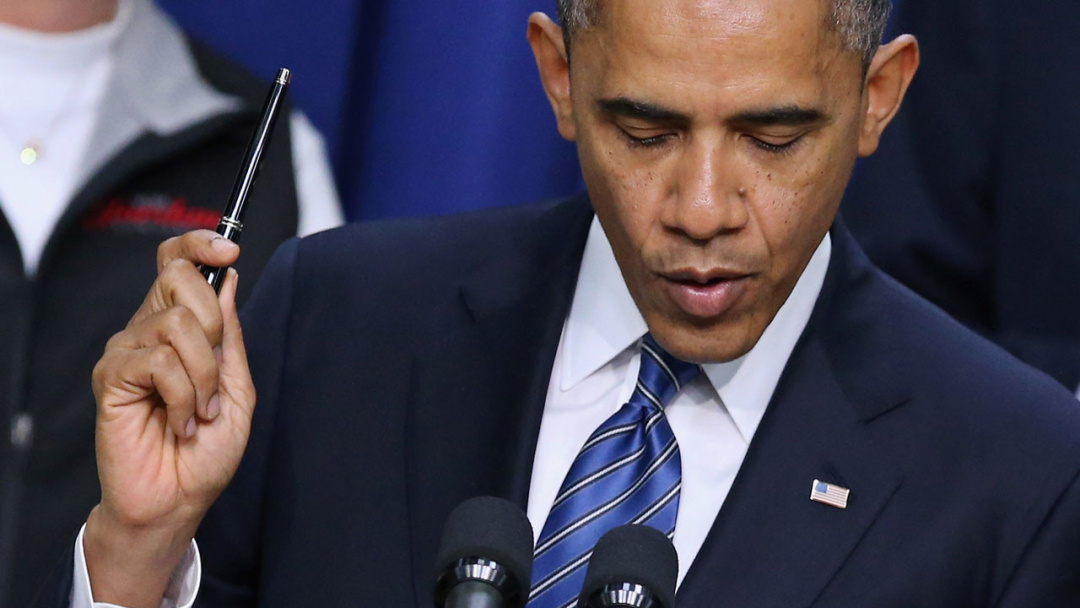
Interestingly, it was former President Barack Obama who made waves by changing the name of Mount McKinley to Mount Denali, embracing the indigenous heritage of the region. Trump, leaning on tradition to restore the name back to McKinley, has not only reignited the discussion around renaming but has also shown how quickly political tides can shift based on who is in power.
It’s also worth noting that institutions such as Stanford University have undergone their own renaming frenzy, erasing traces of Junípero Serra from their signage due to contemporary interpretations of his legacy. This inconsistency in name changes raises eyebrows. If renaming is acceptable when it fits a particular narrative, how can one critique Trump’s Lake America without acknowledging the broader context?
In a world where the past is rewritten as easily as the present, it's fair to ask whether any name can be trusted to hold its meaning. The indignation directed at Trump's bold move feels selectively applied, particularly when one considers the name changes driven by previous administrations. It's a glaring reminder that in the political arena, uproar often depends on who is making the changes and not as much on the act itself.
As administrative bodies grapple with the implications of these changes, Trump's approach stands out not just for its audacity but for its stark reflection of how politics operates today. Each administration's relationship with history is often marked by a blend of reverence and revisionism that can leave even the most loyal supporters scratching their heads.
The Double Standard in Political Renaming
The ongoing debate about Trump’s newfound authority over geographical names raises crucial questions about the standards applied to different administrations. The reaction to his renaming of Lake Ontario underscores a larger narrative: political maneuvering often involves reshaping the landscape of language and history itself. While Trump might be vilified for his actions, it's essential to recognize the fabric of political theater that has allowed such changes to become normalized.
As the discourse around identity and imagery in politics continues, it will be fascinating to see how Trump's Lake America will fare in the grand tapestry of American history. Will it stand as a monument to his presidency, or merely a footnote in the ongoing saga of political branding? Only time will tell, but one thing is certain: his approach has galvanized both supporters and critics alike, proving that in Washington, nothing is ever just a name.
Your Takeaway
In this climate of rebranding and relentless political maneuvering, understanding the implications of Trump’s actions becomes more important than ever. As names change and history is rewritten, the question remains: how do we reconcile our collective memory with the whims of those in power?