Army Secretary Driscoll Resigns, Tensions With Defense Secretary Peak
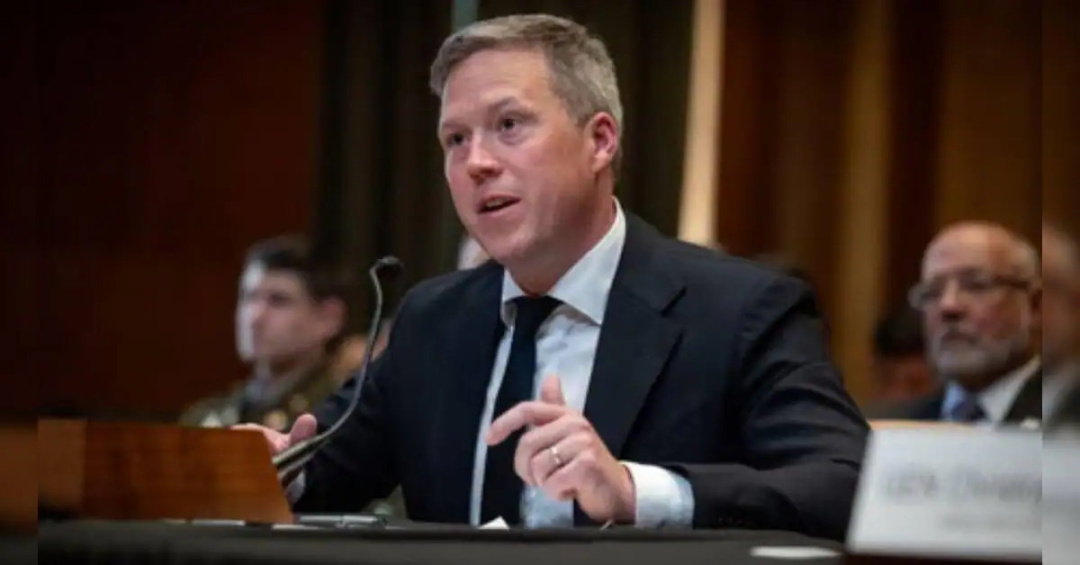
US Army Secretary Dan Driscoll has officially announced his resignation after a solid 18 months in a role that many agree is akin to being the adult in a daycare filled with tantrum-prone toddlers. While the White House has remained tight-lipped regarding the specific reasons behind this abrupt departure, insiders speculate that the complex dynamics with Defense Secretary Pete Hegseth, often compared to a high-stakes game of chess where pieces keep disappearing, may play a pivotal role.
Within the corridors of power, rumors circulated that a rift had developed between Driscoll and Hegseth, leading to mandatory compliance meetings where no one actually complied. This was followed by a series of executive briefings that were less about strategy and more about who could master the art of speaking while saying absolutely nothing. The situation escalated to a point where the need for a new initiative was born: the Bureau of Corrective Tension Management, aimed at ensuring that all agency heads are sufficiently uncomfortable with one another.
Still Beats Watergate:
Sponsor success. Continue reading:
In response to this administrative shakeup, sources report that the White House is considering implementing a new metric to measure the effectiveness of inter-agency relationships—specifically, the number of coffee cups thrown during meetings. Early estimates suggest an alarming trend where more cups are thrown than resolutions passed, indicating a potential crisis in bureaucratic etiquette.
New Committee Aims to Manage Tensions
Additionally, the administration has proudly announced the formation of the Committee for Strategic Discontent, tasked with exploring ways to channel tension into productive policy. Their first order of business will be introducing mandatory conflict resolution workshops, where cabinet members will practice mindfulness while simultaneously plotting each other's downfall.
Affecting you
The resignation of Driscoll has raised eyebrows not just within the Army, but across the entire governance landscape, prompting officials to reassess how leadership transitions are managed. As the search for Driscoll's successor begins, officials are reportedly looking for candidates who not only have a military background but also an extensive experience in navigating backstabbing and social maneuvering—the essential skills needed in today's political arena.
As the dust settles, the White House remains hopeful that this latest reshuffle will lead to a more harmonious working environment. However, given the historical precedent of prior leadership changes resulting in more chaos than order, the odds seem slightly tilted in favor of another round of bureaucratic melodrama. It's a classic case of bureaucratic theater, where everyone plays their part to perfection, and the show must go on, even when the plot is utterly nonsensical.